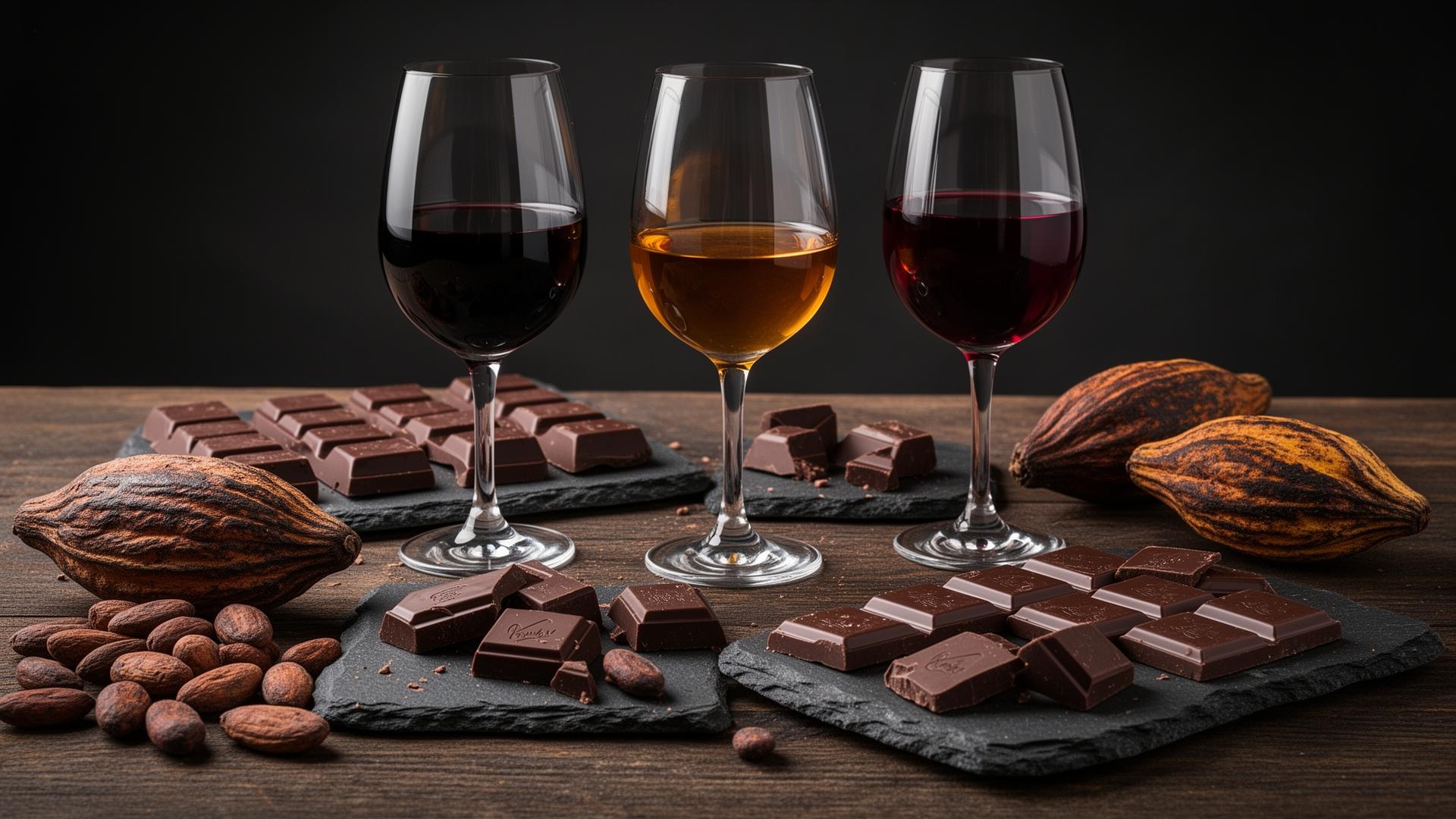
Wine & Chocolate: A Global Pairing Guide From Belgium to Grenada
The science of pairing, then origin by origin — from European confectioners to Caribbean cocoa estates and Latin American single-origin bars. Small and famous, equal billing.
Chocolate is not one ingredient; it is a continent of them. Cocoa from Grenada tastes nothing like cocoa from Ghana, and a 70% bar from Madagascar shares almost nothing with a Belgian praline. The wine in the glass has to keep up. This guide is built around that idea — pair origin to origin, not category to category.
The Three Rules
- Sweetness rule: The wine must be at least as sweet as the chocolate. Dry wine against sweet chocolate always loses.
- Tannin × cocoa rule: Higher cocoa percentage tolerates more tannin and structure. 90% dark needs a serious wine; 40% milk wants something gentle and nutty.
- Bridge rule: Salt, spice, dried fruit and roasted-nut notes act as bridges. A salt-flake chili bar and a PX Sherry share a vocabulary.
European Confectioners: The Classics
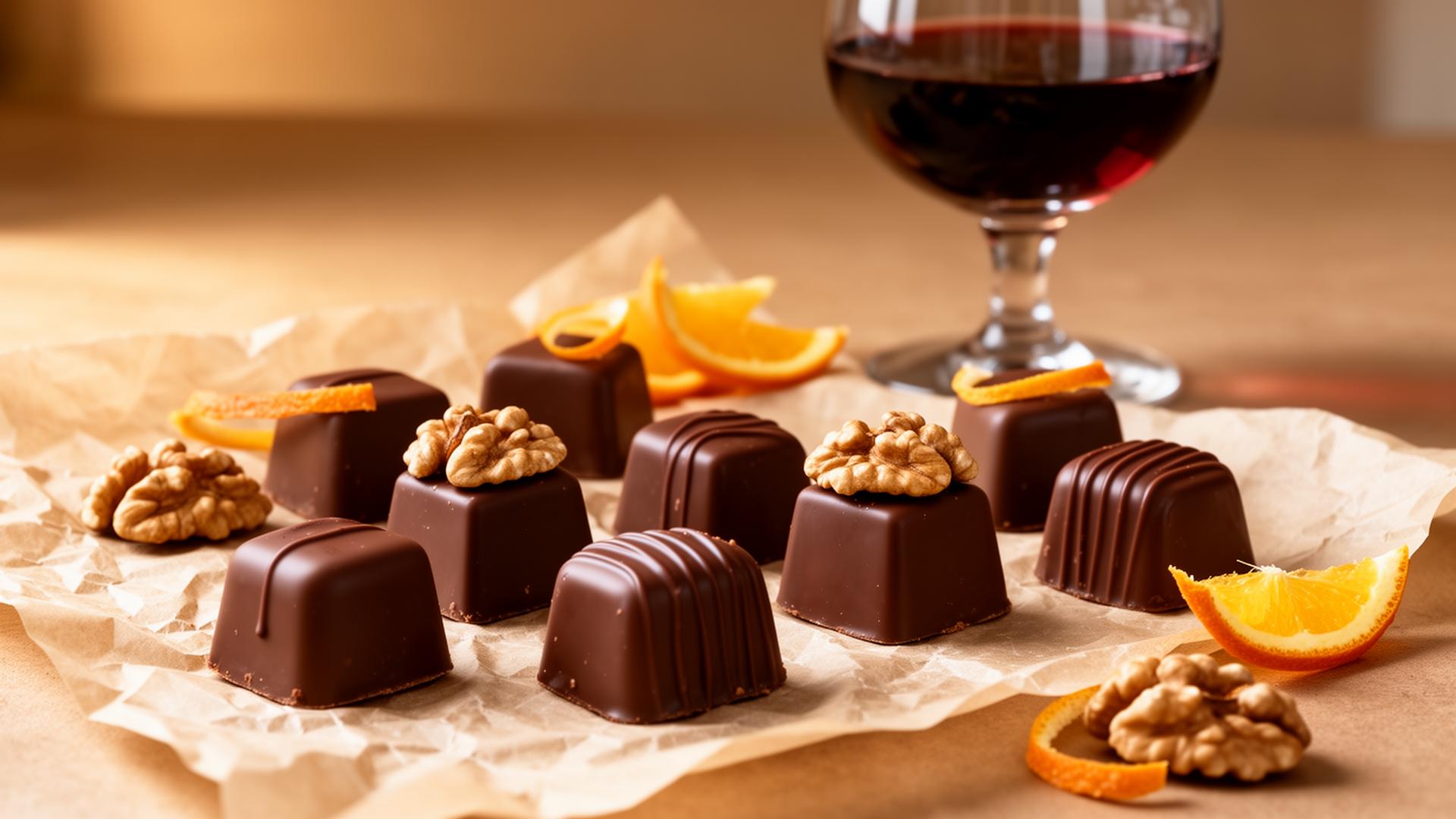
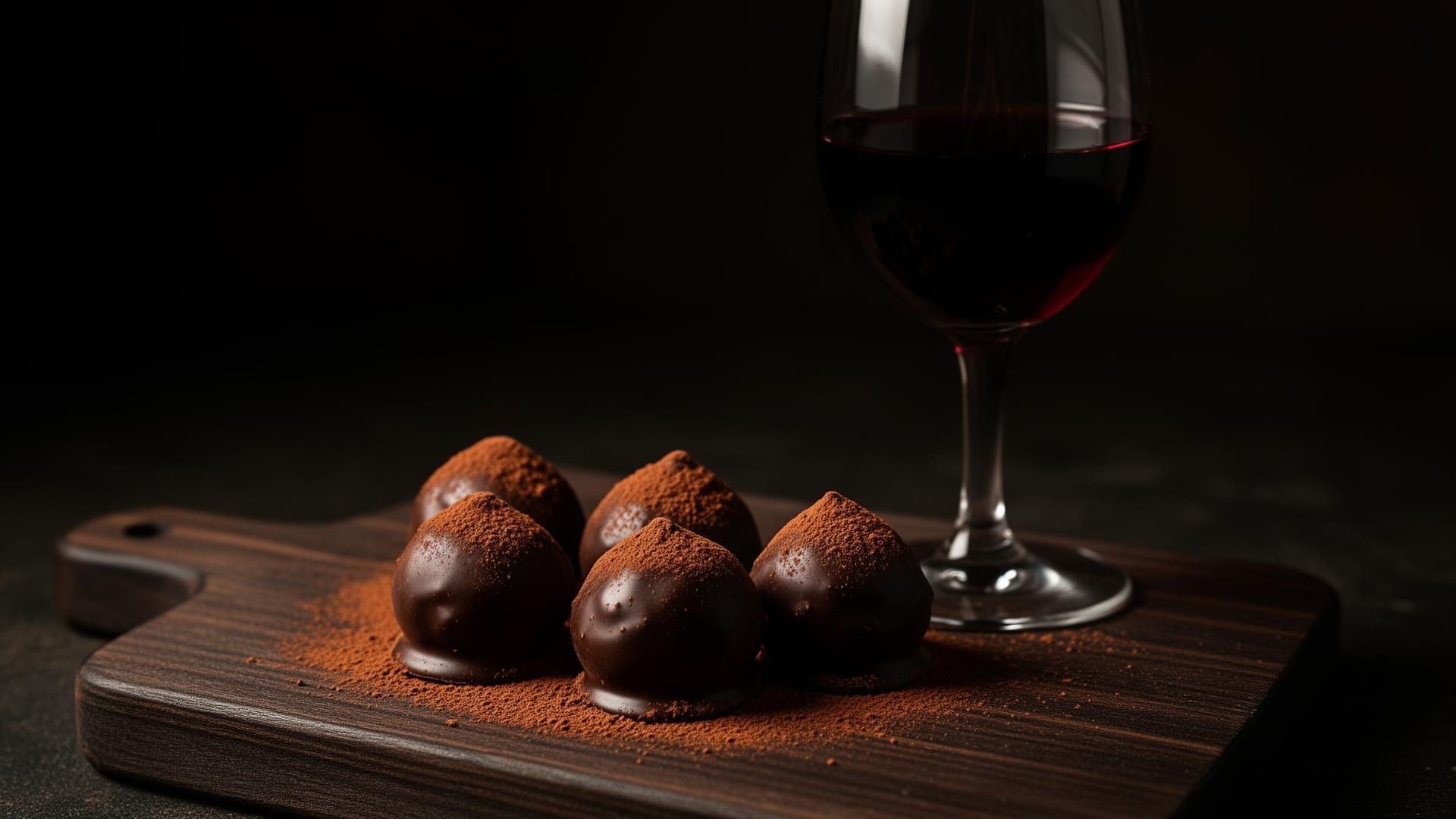
Belgian pralines (Pierre Marcolini, Neuhaus, Godiva): the caramel and praline fillings want Tawny Port or Pedro Ximénez. Swiss milk chocolate (Lindt, Sprüngli): an off-dry Riesling Spätlese works surprisingly well; otherwise stick to Tawny. French Valrhona ganache truffles: Banyuls or Maury are the textbook calls.
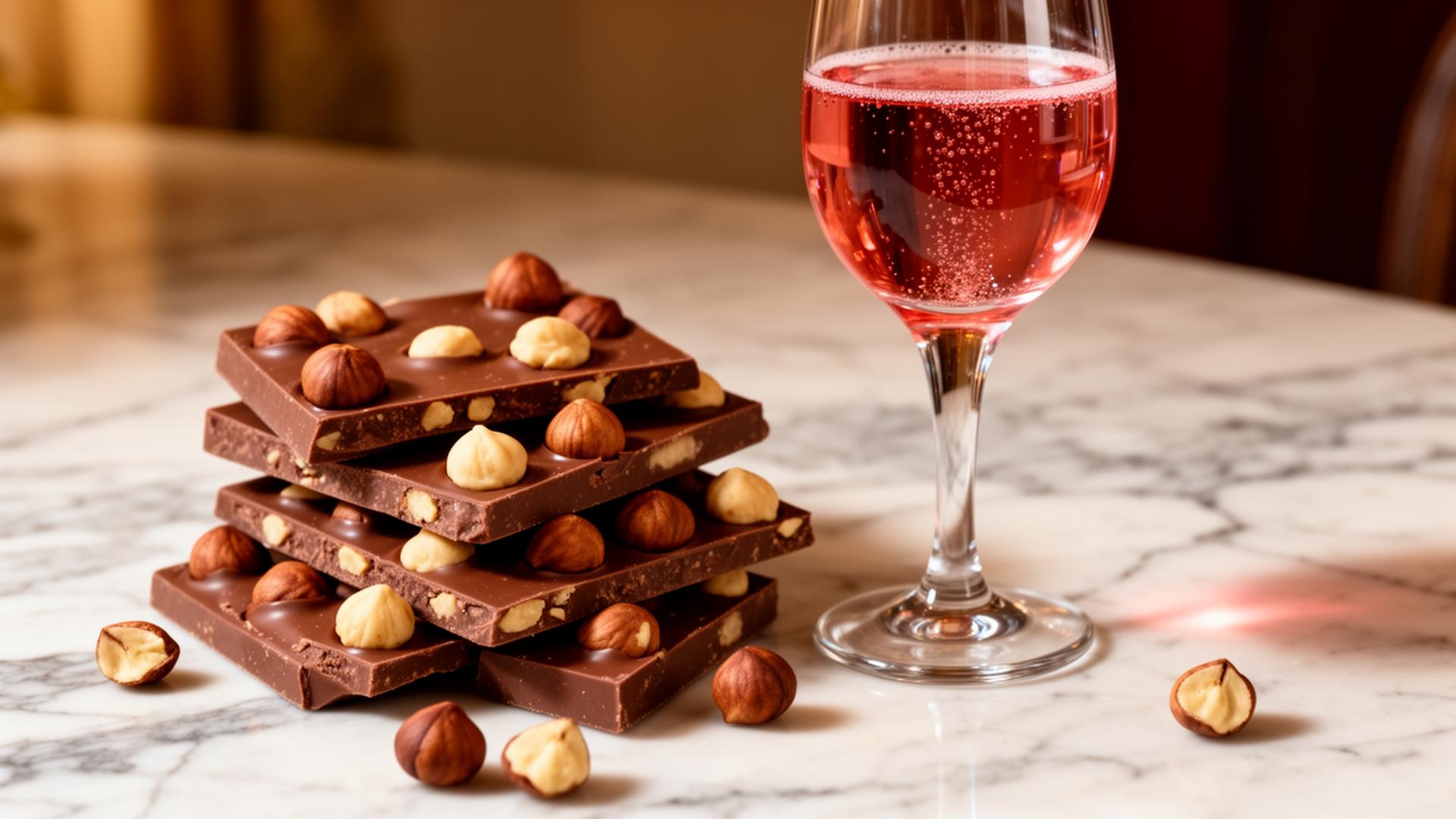
Italian Piedmontese gianduja (Caffarel, Venchi, Guido Gobino): the hazelnut profile begs for a fizzy sweet Brachetto d'Acqui or a Moscato d'Asti. The pink bubbles cut the richness; the hazelnut and red-berry notes echo each other.
Spanish chocolate con churros: the thick drinking chocolate of Madrid pairs with an Oloroso or a young Tawny Port. Not breakfast wine for everyone, but the Spaniards manage.
Caribbean Cocoa: Equal Billing With the Famous
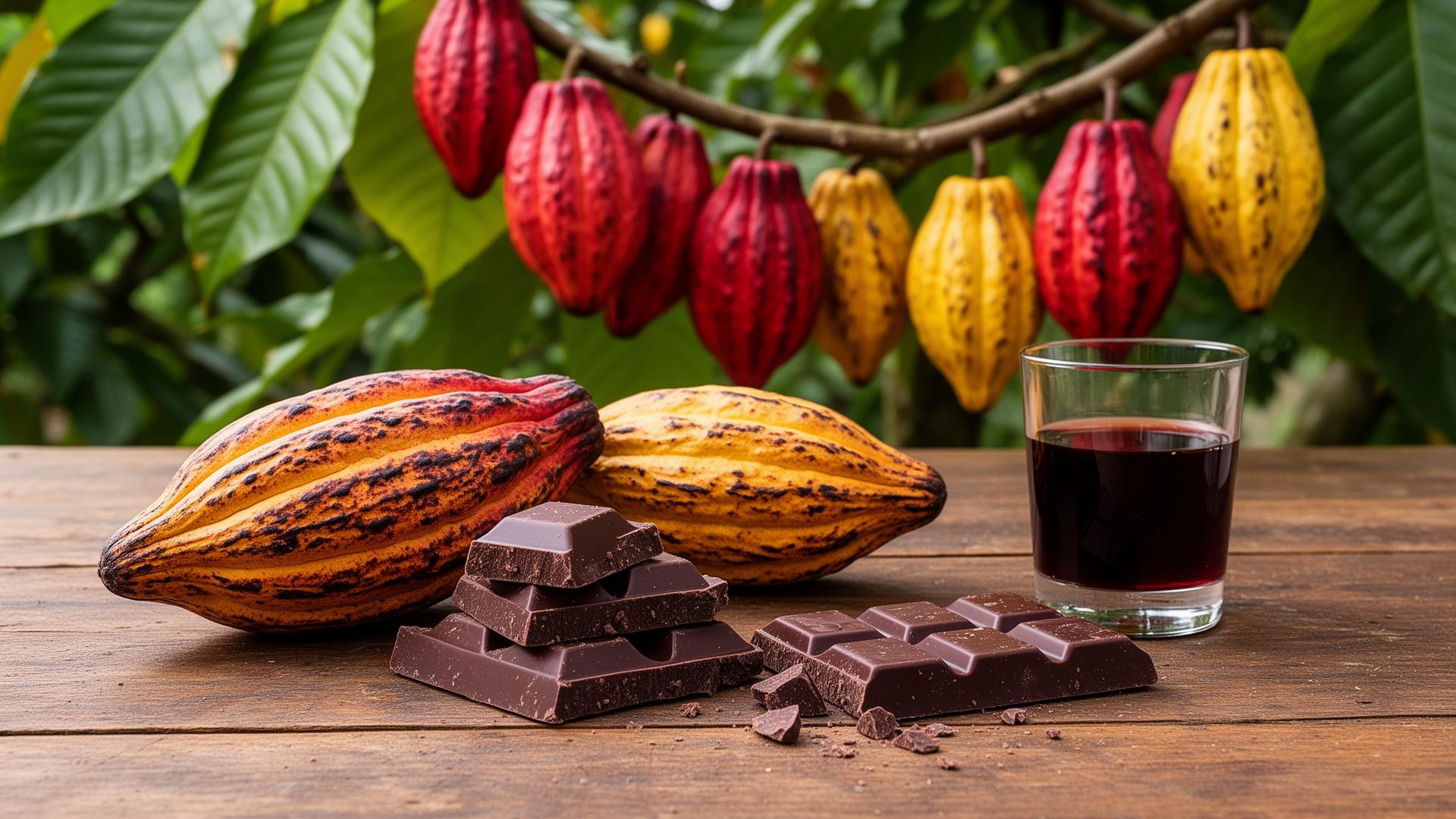
The Caribbean grows some of the world's finest "fine flavor" cocoa, and a generation of bean-to-bar producers is finally getting it into export bottles. Treat these estates the way you would treat single-vineyard wine.
- Grenada (Grenada Chocolate Co., Diamond Estate, Jouvay, Crayfish Bay): Trinitario beans, often 60-71%, bright with red-fruit notes. Pair with Pedro Ximénez Sherry, young Tawny Port, or a rum-cask aged red.
- Trinidad (Trinitario fine flavor, the genetic origin): Floral and nutty. Pair with Banyuls or a late-harvest Zinfandel.
- Jamaica (Blue Mountain cocoa from One One Cacao): Earthy, coffee-leaning. Pair with a Recioto della Valpolicella or a 20-year Tawny.
- Dominican Republic (Öko-Caribe, Hispaniola, Kah Kow): Bright tropical fruit. Pair with Moscatel de Setúbal or a Vin Santo.
- Haiti (Pisa, Askanya): Bold and deep, often with smoke. Pair with PX Sherry or Mavrodaphne of Patras.
- St. Lucia (Hotel Chocolat Rabot Estate): Tree-to-bar at the source. The 70% pairs beautifully with Maury Grenat or a young LBV Port.
Latin America: The Single-Origin Frontier
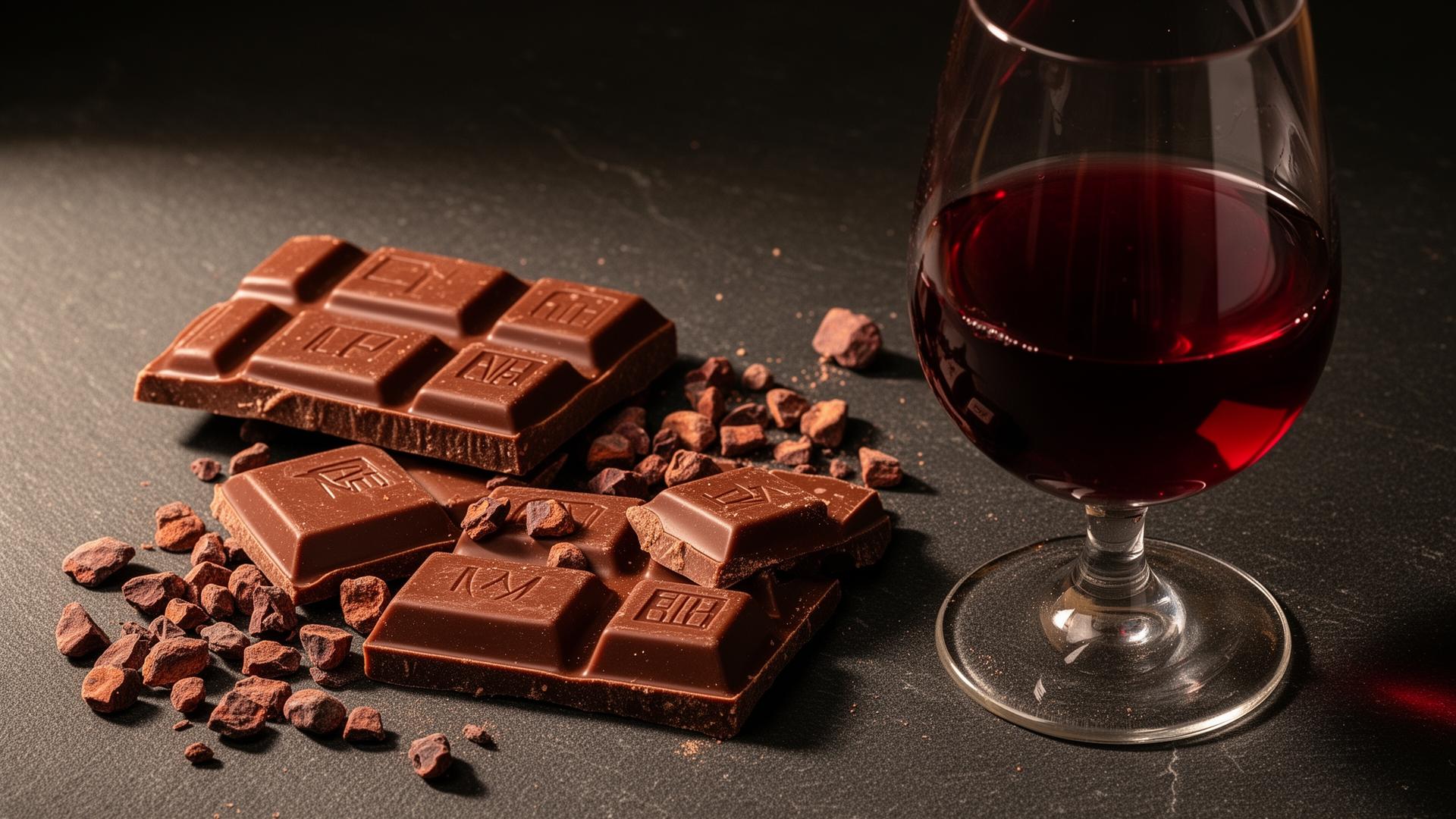
Ecuador (Arriba Nacional, the original fine flavor cocoa): floral, jasmine notes, hints of green herb. Pair with Banyuls Grand Cru or a late-harvest Gewürztraminer. Venezuela (Chuao, El Rey, Sur del Lago): the legendary Criollo terroir. Pair with Recioto della Valpolicella. Peru (Piura, Marañón): bright citrus and red fruit. Pair with a sweet sparkling Vouvray or Brachetto. Mexico (Oaxacan, often blended with cinnamon and chili): pair with a late-harvest Zinfandel or an Amarone for the spice-and-cocoa table.
African Origins
Most of the world's cocoa volume comes from Ghana and Ivory Coast — typically used in industrial bars (Cadbury, Nestlé). Pair an everyday milk bar with Tawny Port; a couverture grade Ghanaian dark bar with Maury. São Tomé bars are deep and tropical — pair with Madeira (Bual or Malmsey). Madagascar (Sambirano Valley): bright, citrusy, almost tart. Pair with Moscato d'Asti or a young Brachetto — the acidity in the cocoa wants matching acidity in the glass.
Quick Reference Pairings
- Grenada 70% → Pedro Ximénez Sherry
- Trinidad 65% → Banyuls Grenat
- Jamaica Blue Mountain → 20-year Tawny Port
- Ecuador Arriba 70% → Banyuls Grand Cru
- Venezuela Chuao → Recioto della Valpolicella
- Oaxacan chili-cinnamon → Late-harvest Zinfandel
- Madagascar Sambirano → Moscato d'Asti
- Belgian pralines → 10-year Tawny Port
- Italian gianduja → Brachetto d'Acqui
- French Valrhona ganache → Maury Grenat
- Swiss milk → Riesling Spätlese or Tawny
- White chocolate → Sauternes or Vouvray Moelleux
A Six-Bottle Chocolate Flight
For a tasting at home, build the table this way: one bottle each of 10-year Tawny Port, Pedro Ximénez Sherry, Banyuls Grenat, Brachetto d'Acqui, Moscato d'Asti, and a late-harvest Zinfandel. With those six bottles and a board of single-origin bars (one each from Belgium, Italy, Grenada, Ecuador, Venezuela and Madagascar) you can pair an entire evening without changing the lineup.
Chocolate is no longer a category; it is dozens of origins. Treat each estate the way you treat a vineyard. The wines reward the attention.