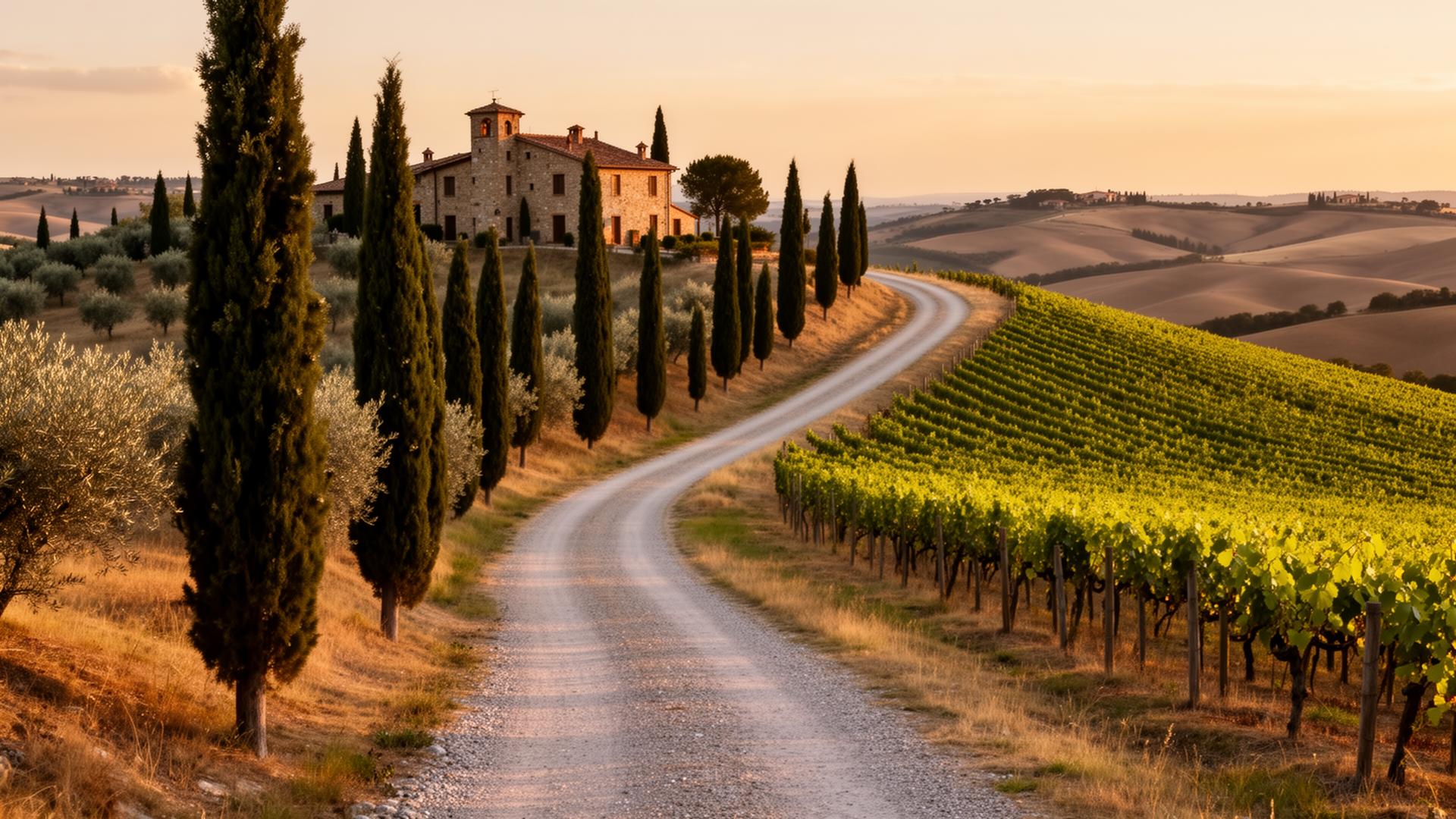
European Wine Regions: From Tuscany to Croatia
A continental guide to the famous regions and the gems beside them — equal billing for Italy, Spain, Portugal, Switzerland, and the Croatia, Slovenia, Hungary, Greece, Georgia and Austria you may have missed.
Europe drinks wine the way the rest of the world drinks coffee. Every village has a style; every hill has a grape. This guide gives the famous regions their due, then walks east — into the parts of Europe that have been making serious wine for centuries and only recently started exporting it. Equal opportunity, glass for glass.
Italy: Twenty Regions, Twenty Identities
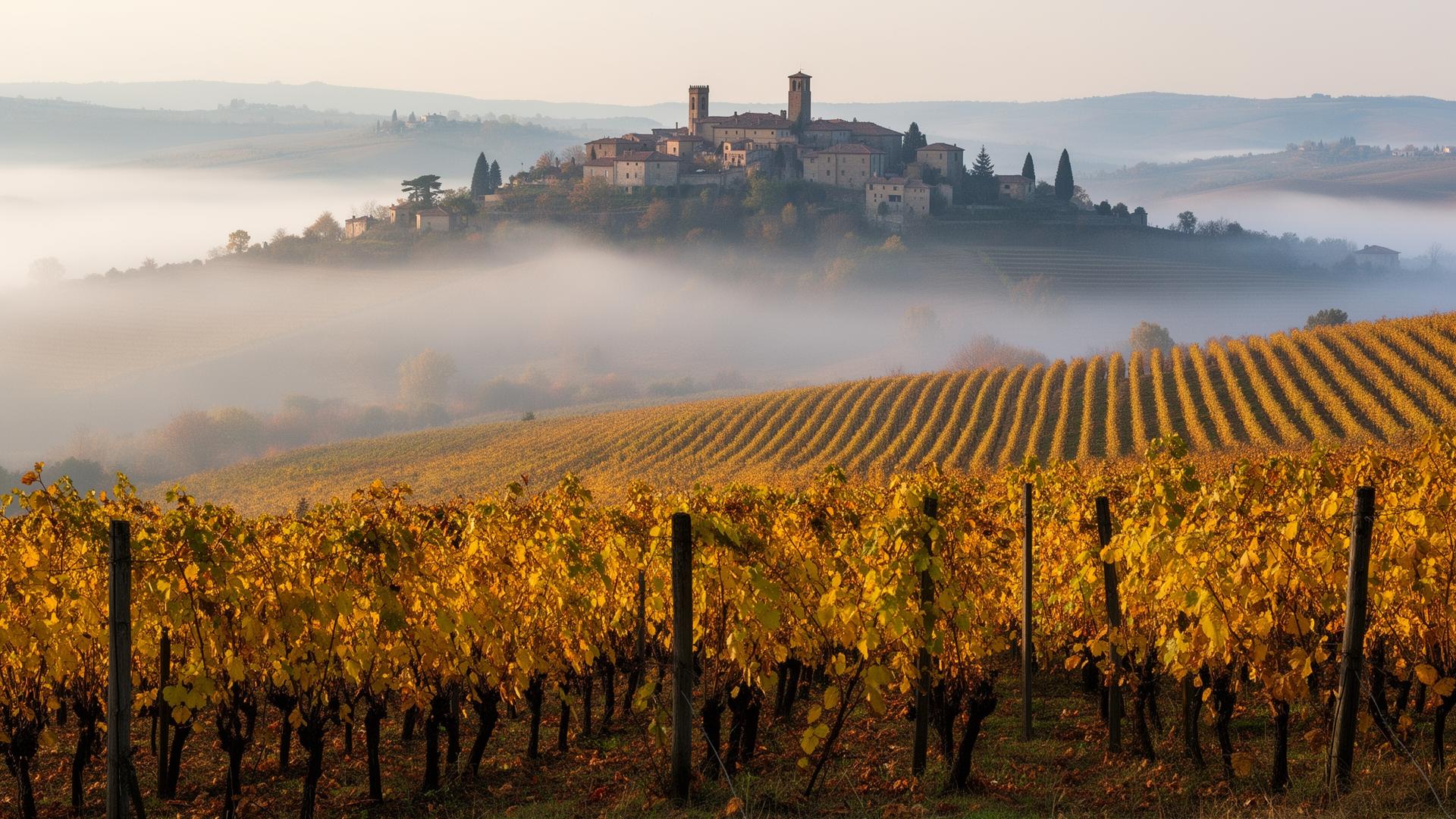
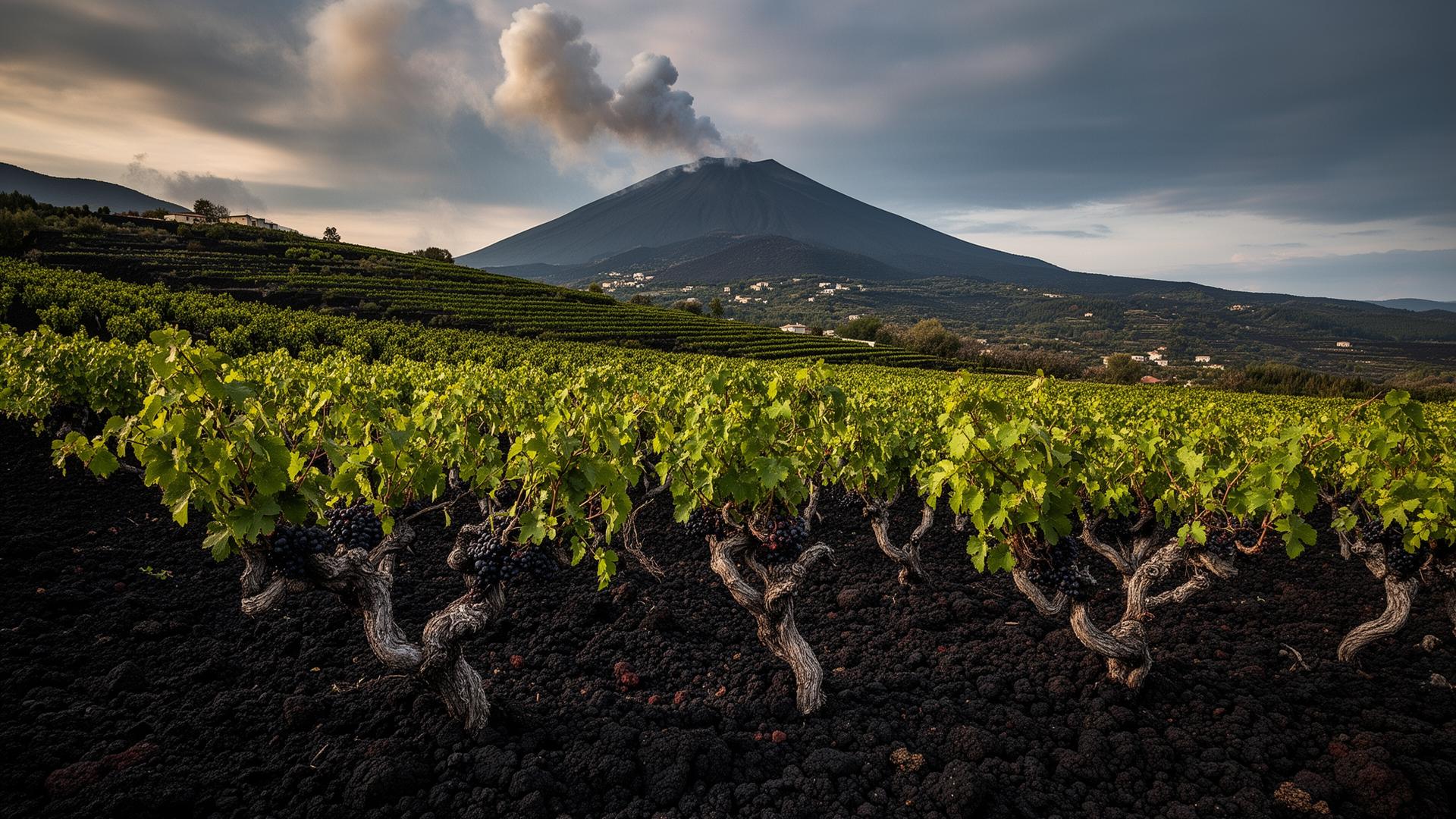
Italy makes more wine than any country on earth, and no two regions agree on style. Piedmont is Nebbiolo country: Barolo and Barbaresco are the tannic, ageworthy benchmarks. Tuscany is Sangiovese — Chianti Classico, Brunello di Montalcino, Vino Nobile di Montepulciano. Veneto gives us Amarone, Valpolicella and Prosecco. Sicily and especially Mount Etna are the most exciting frontier — volcanic Nerello Mascalese reds with the elegance of Pinot Noir.
Spain: Beyond Rioja
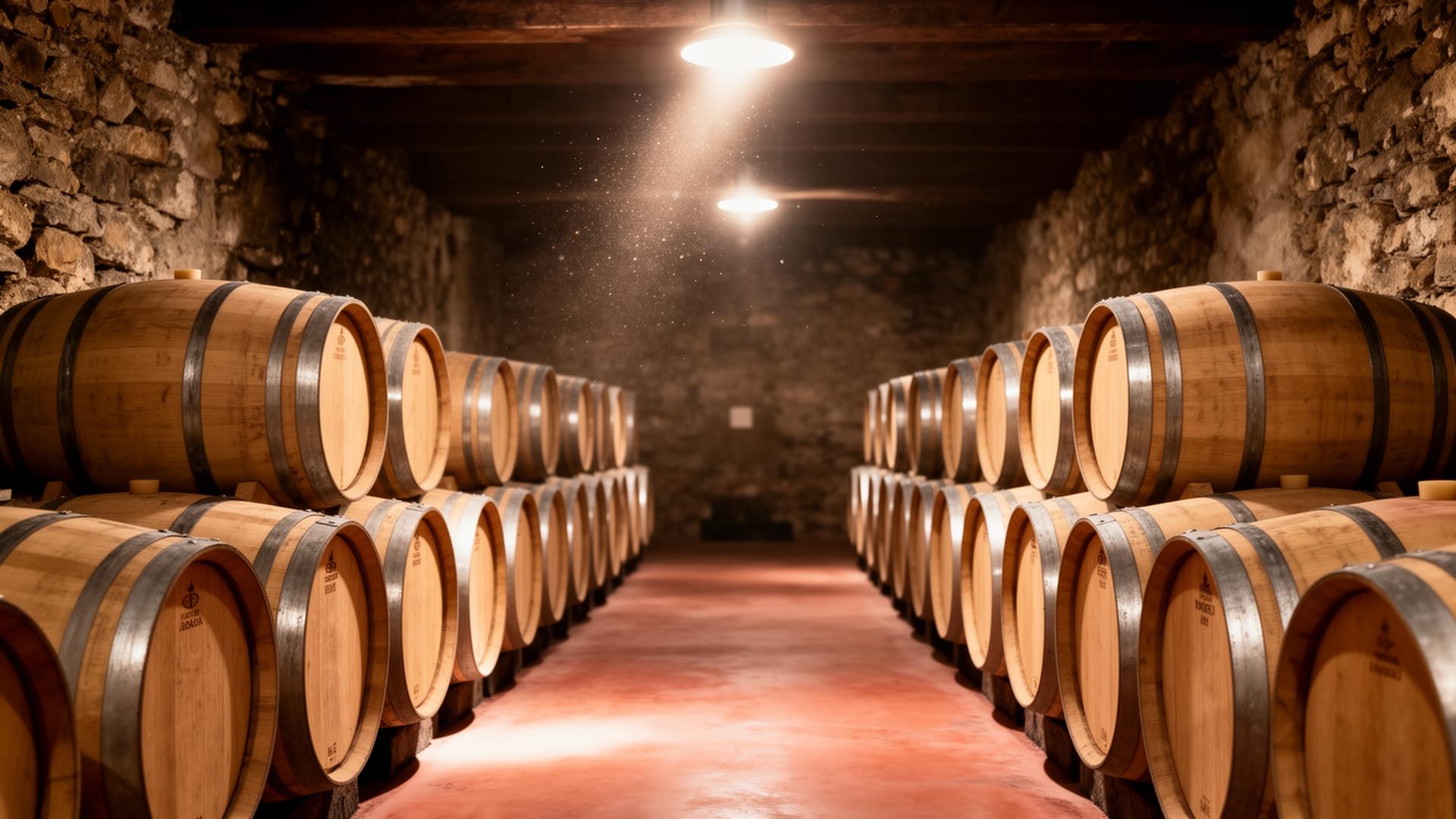
Spain has Europe's largest planted vineyard area and an old wine culture rebooted twice in the last fifty years. Rioja remains the entry point: Tempranillo aged in oak, classified by time (Crianza, Reserva, Gran Reserva). Ribera del Duero is the bolder, denser cousin. Priorat in Catalonia delivers slate-driven Garnacha and Cariñena that rival anything in France. Rías Baixas on the Atlantic coast is Albariño — saline, mineral, the seafood wine of choice.
Portugal: Douro and Beyond
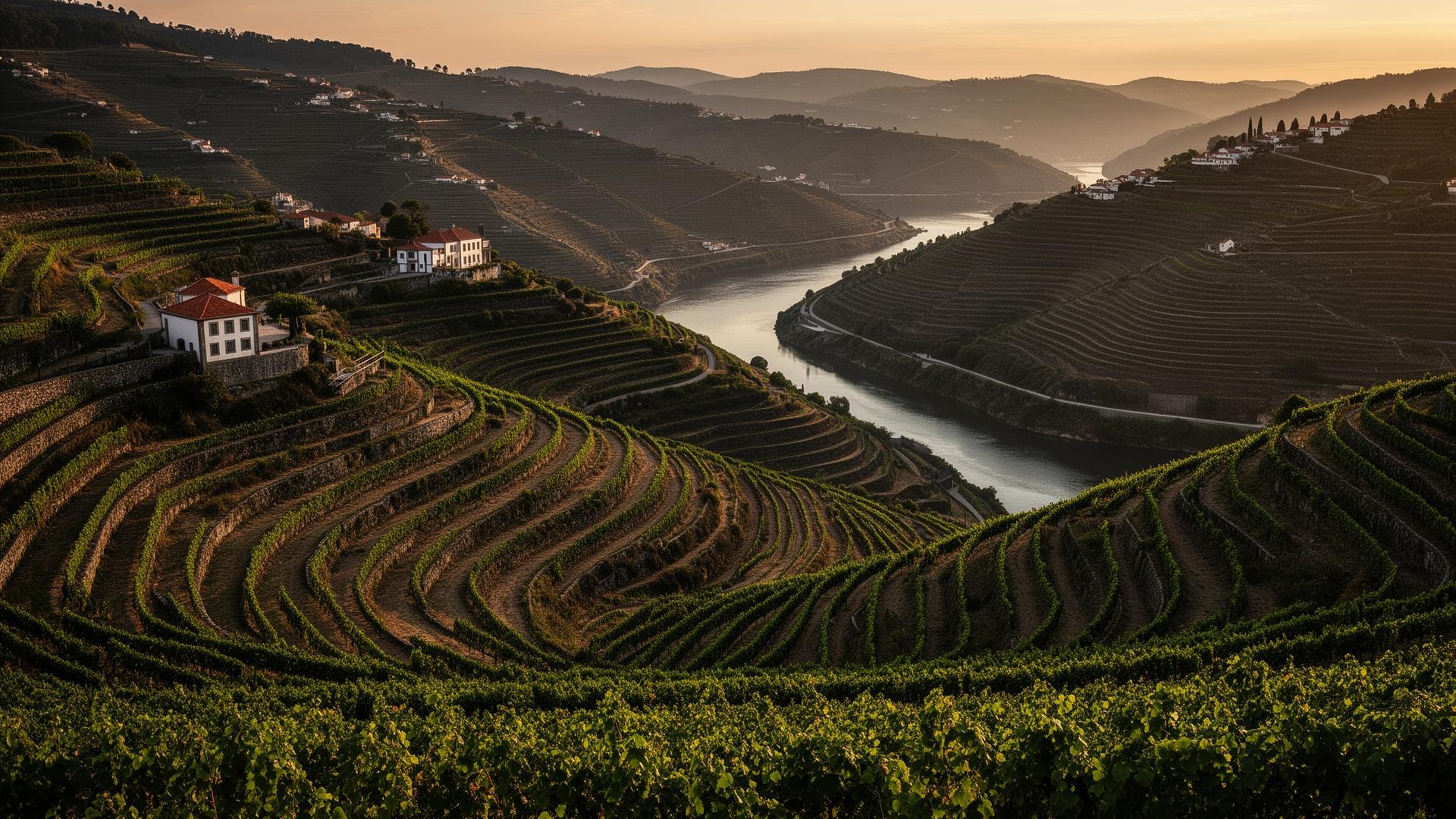
The Douro Valley produces Port, the great fortified wine, but increasingly its unfortified reds — Touriga Nacional, Touriga Franca, Tinta Roriz — are world-class table wines. Alentejo in the south is warm and approachable. Vinho Verde in the green north gives crisp, low-alcohol whites perfect for summer.
Switzerland: The Wine You Cannot Find
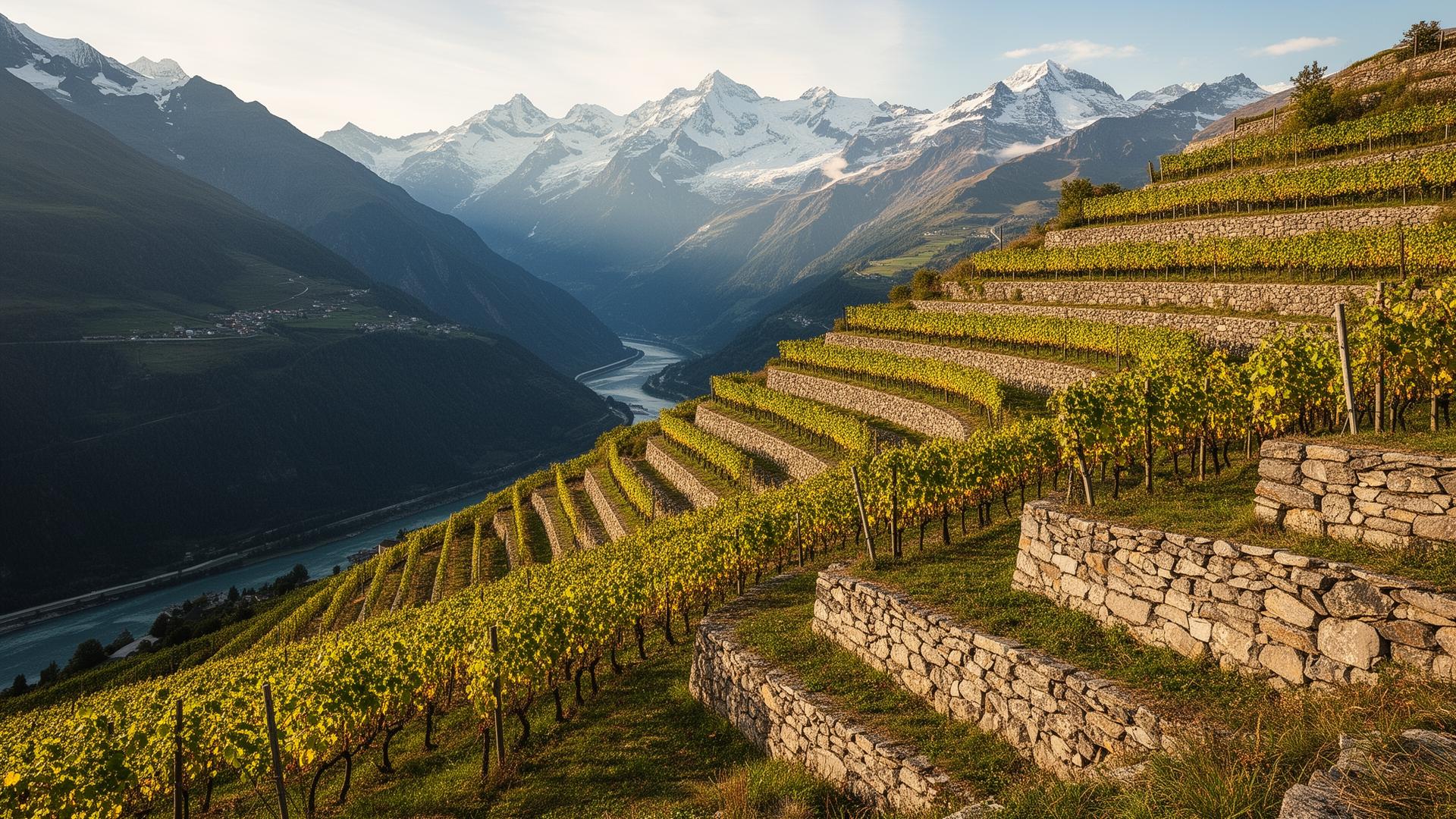
The Swiss drink almost everything they make. Valais, the largest region, is built on terraced Alpine slopes and produces Chasselas (the local crisp white called Fendant), Pinot Noir, and the rare native grapes Petite Arvine and Cornalin. Vaud on Lake Geneva and Ticino in the south (Merlot territory) round out the trio. If you find a bottle on a restaurant list, take it.
Croatia: Plavac Mali on the Adriatic
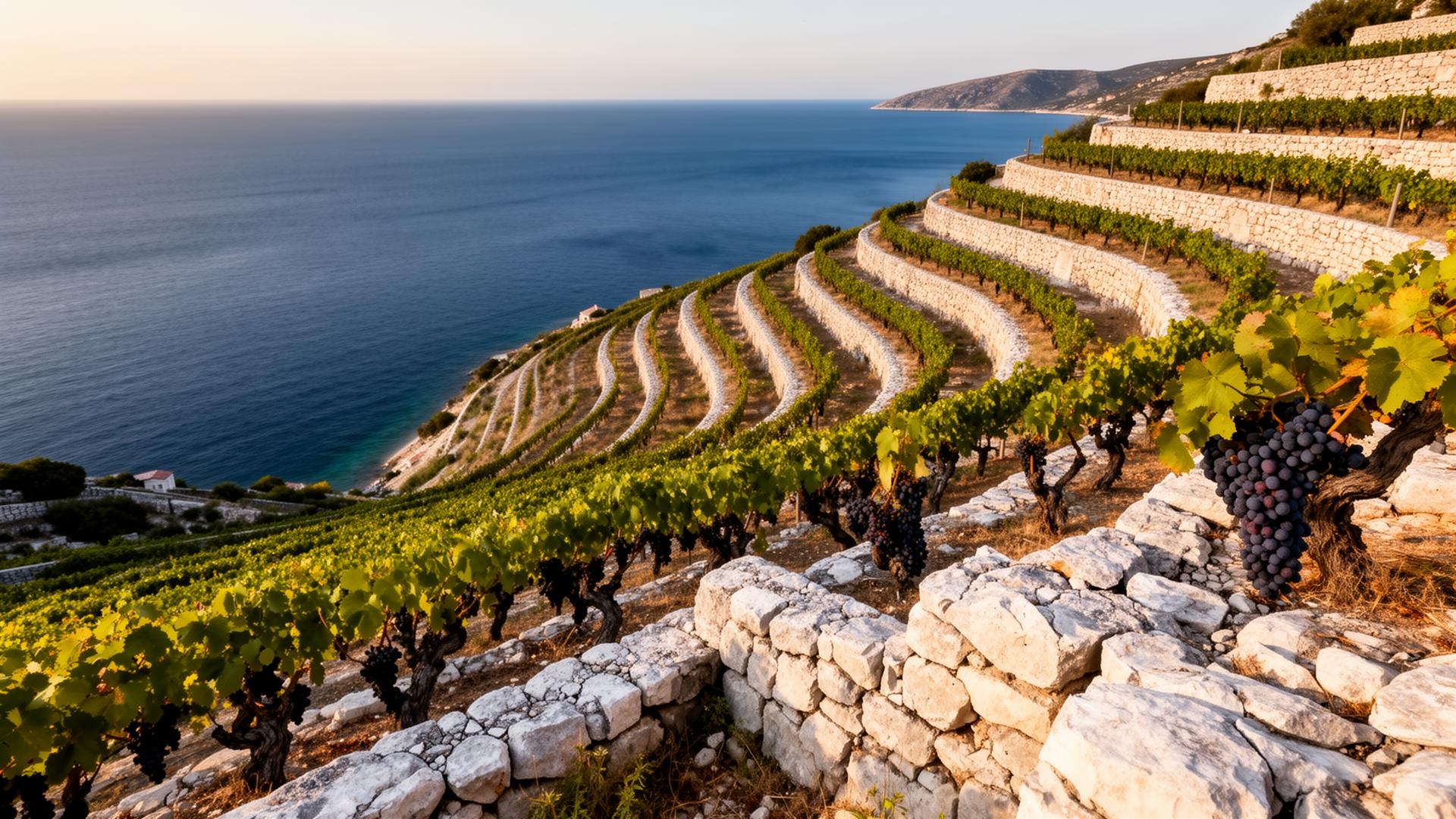
Croatia is the comeback story of European wine. The Pelješac peninsula in Dalmatia produces Plavac Mali, a peppery, sun-baked red and a genetic parent of Zinfandel. The Dingač and Postup vineyards — single steep slopes facing the Adriatic — give the most concentrated bottles. Istria on the northern coast is white-wine country: Malvazija Istarska is the local Vermentino-like grape, often barrel-aged. Producers to know: Grgić Vina, Saints Hills, Korta Katarina, Kabola, Matošević.
Slovenia: Orange Wine's Modern Home
Across the border from Italy's Friuli, the Goriška Brda region was making extended-skin-contact white wines (now called orange wines) long before they were fashionable. Movia, Batič and Kabaj are reference producers. The whites are Ribolla Gialla, Malvasia and Chardonnay; the reds are Merlot and Refošk. These are some of the most distinctive wines in Europe right now.
Hungary: Tokaji and Bull's Blood
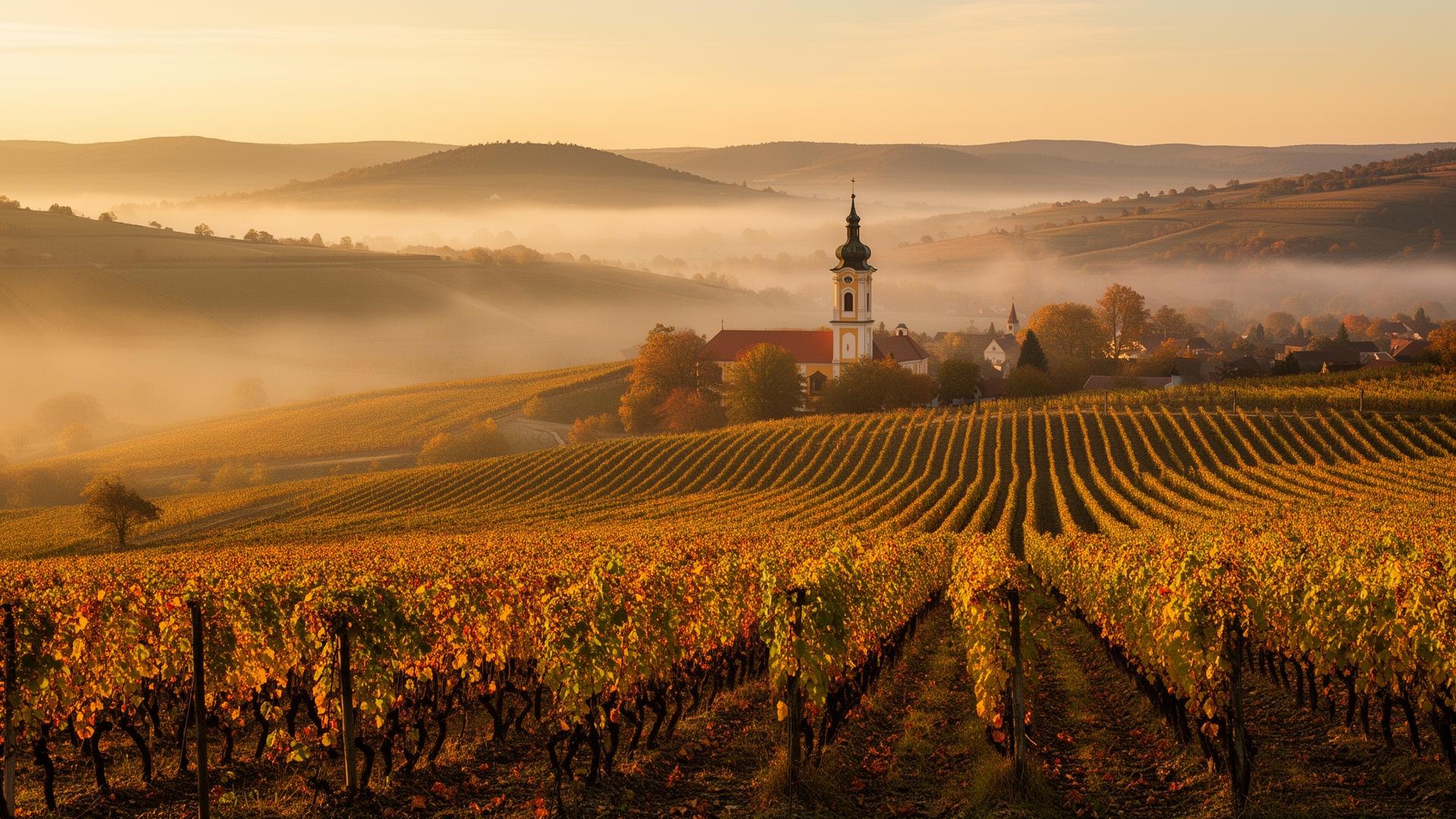
Tokaji Aszú is the great sweet wine of central Europe, made from noble-rot Furmint and Hárslevelű grapes since the 1600s. Royal Tokaji and Disznókő are reliable starting points. The region also makes excellent dry Furmint, lean and mineral. Further south, Eger produces the famous Egri Bikavér — Bull's Blood — a structured Kékfrankos-led red blend that ages well.
Greece: Volcanic Whites and Mountain Reds
Santorini Assyrtiko is the white that put modern Greece on the map — grown on volcanic ash, vines trained in low basket shapes against the meltemi wind. The wine is bone-dry, salty, ageworthy. On the mainland, Naoussa produces Xinomavro, often compared to Nebbiolo — tannic, savory, built to age. Look for Sigalas and Hatzidakis (Santorini); Boutari and Kir-Yianni (Naoussa).
Georgia: 8,000 Years of Qvevri
Georgia is arguably the oldest continuous wine culture on earth. The Kakheti region in the east still ferments wine in qvevri — large clay amphorae buried in the ground. The signature reds are Saperavi (deep, tannic, age-worthy) and the whites are Rkatsiteli, often macerated with skins to make amber (orange) wines. Pheasant's Tears, Iago's Wine and Schuchmann are good starting points.
Austria: Grüner & Blaufränkisch
Austria is Europe's most quietly excellent wine country. The Wachau on the Danube produces world-class Grüner Veltliner and Riesling — fresh, mineral, precise. Burgenland, near Hungary, is red wine country: Blaufränkisch, with structure and pepper, ages beautifully. Look for Hirsch, Loimer, Bründlmayer in the Wachau; Moric, Heinrich, Pittnauer in Burgenland.
Briefly: Romania, Bulgaria, Czechia
Three eastern wine countries to watch. Romania makes Fetească Neagră, a peppery indigenous red. Bulgaria is reviving Mavrud and Melnik. Czechia's Moravia produces excellent Riesling and Pinot Noir. None of these are exported widely yet — but they will be.
A European Cellar Checklist
- 1 bottle of Barolo or Brunello (long-haul Italian)
- 1 bottle of Rioja Reserva (the workhorse)
- 1 bottle of Douro red (the Port grape, unfortified)
- 1 bottle of Valais Petite Arvine (the Swiss souvenir)
- 1 bottle of Pelješac Plavac Mali (Croatian sunshine)
- 1 bottle of Goriška Brda orange wine (Slovenian skin-contact)
- 1 bottle of Tokaji Aszú 5 Puttonyos (after dinner)
- 1 bottle of Santorini Assyrtiko (oysters and grilled fish)
- 1 bottle of Saperavi from Kakheti (Georgian red, qvevri-fermented)
- 1 bottle of Wachau Grüner Veltliner Smaragd (the everyday white)
Europe is the deepest, most varied wine continent on earth. Drink the famous bottles, but spend equal time on the unfamiliar ones. The map keeps growing.