Dessert Wine Alchemy: The Science & Art of Perfect Sweet Harmony
Beyond simple sweetness lies a complex world of molecular interactions, terroir-driven chemistry, and centuries of winemaking innovation. This is your comprehensive guide to mastering dessert wine pairing from both scientific and sensory perspectives.
Introduction: When Chemistry Meets Craft
For decades, wine professionals have relied on intuition and tradition to pair dessert wines—"match weight with weight," "the wine must be sweeter than the dessert," "acid cuts through richness." These guidelines work, but they're incomplete. They describe *what* works without explaining *why*. At WINEVERSEiQ, our team of wine chemists and experts has spent years exploring the molecular mechanisms behind successful dessert wine pairings, and we're here to share both the science and the soul of this delicious art.
Dessert wines represent winemaking's ultimate challenge: concentrating sugars while maintaining balance, acidity, and complexity. Whether through noble rot infection, freezing grapes on the vine, fortification with spirits, or extended sun-drying, each method produces unique chemical profiles that interact with dessert components in specific, predictable ways. Understanding these interactions transforms pairing from guesswork into precision.
This guide will take you deep into dessert wine chemistry, explore global production regions, decode molecular pairing principles, and provide advanced techniques for creating unforgettable dessert experiences. Whether you're a wine professional, passionate enthusiast, or home cook seeking to elevate your desserts, this knowledge will fundamentally change how you approach sweet pairings.
Section 1: Dessert Wine Chemistry—Production Methods & Molecular Profiles
Noble Rot: Botrytis cinerea and the Transformation of Grapes
Botrytis cinerea—commonly called noble rot—sounds like a winemaking disaster, and indeed, in most contexts it is. But under specific conditions (morning fog, afternoon sun, specific humidity levels), this fungus performs miraculous chemistry. It penetrates grape skins through microscopic hyphae, consuming water and leaving concentrated sugars. But it does more than dehydrate: it produces enzymes that break down acids, create glycerol (adding viscosity), and generate unique aromatic compounds.
The molecular signature of botrytized wines includes:
- Sotolon: Curry, fenugreek, maple syrup aroma (develops with age)
- Phenylacetaldehyde: Honey, floral notes
- Lactones: Peach, apricot, tropical fruit character
- High glycerol: Creates that signature viscous, oily texture
- Modified acid profile: Lower malic acid, creating rounder mouthfeel
Famous botrytized wines include Sauternes (Bordeaux), Tokaji Aszú (Hungary), Trockenbeerenauslese (Germany/Austria), and Loire Valley Coteaux du Layon. These wines are expensive because noble rot is unpredictable, requiring perfect conditions and hand-harvesting of individually affected berries through multiple passes.
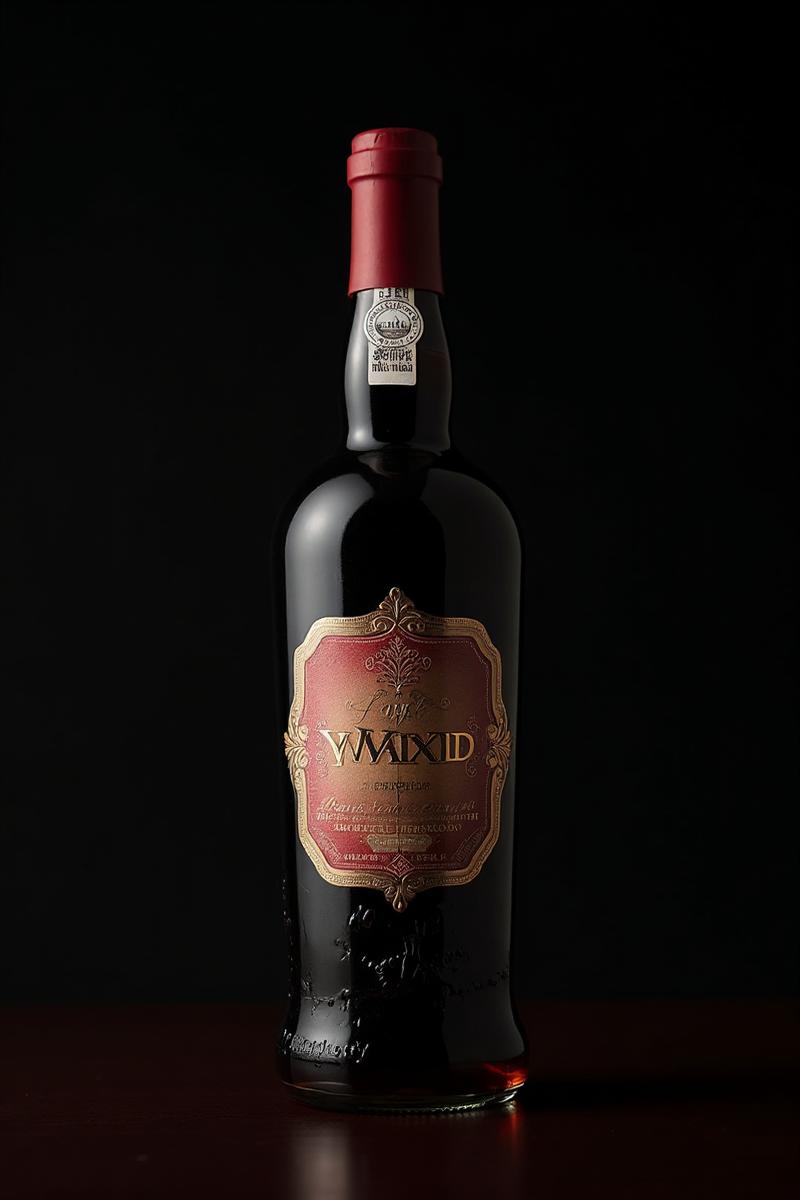
Late Harvest: Sun, Time, and Natural Concentration
Late harvest wines (Vendange Tardive in Alsace, Spätlese/Auslese in Germany) rely on extended hang time, allowing grapes to raisin naturally on the vine. Without botrytis, the chemistry is simpler but still profound. As grapes dehydrate, sugars concentrate proportionally, but acids also concentrate—this is crucial for balance.
The molecular profile emphasizes:
- Terpenes: Aromatic compounds (linalool, geraniol) creating floral, citrus notes
- Thiols: In certain varieties (Sauvignon Blanc), create passion fruit, grapefruit character
- Higher acidity: Compared to botrytized wines, providing freshness
- Fruit-forward profile: Ripe peach, apricot, mango without botrytis complexity
Late harvest wines offer incredible value compared to botrytized options while still providing concentrated sweetness and excellent pairing versatility. Look for Alsatian Vendange Tardive from Gewürztraminer or Pinot Gris, German Auslese Riesling, or late harvest Chenin Blanc from California.
Ice Wine: Frozen Perfection
Ice wine (Eiswein in German, Icewine in Canada) represents extreme winemaking. Grapes must freeze naturally on the vine at -8°C (17°F) or colder, then be pressed while frozen. Ice crystals remain in the press, and only concentrated sugar, acid, and flavor compounds flow out—resulting in juice that's essentially syrup.
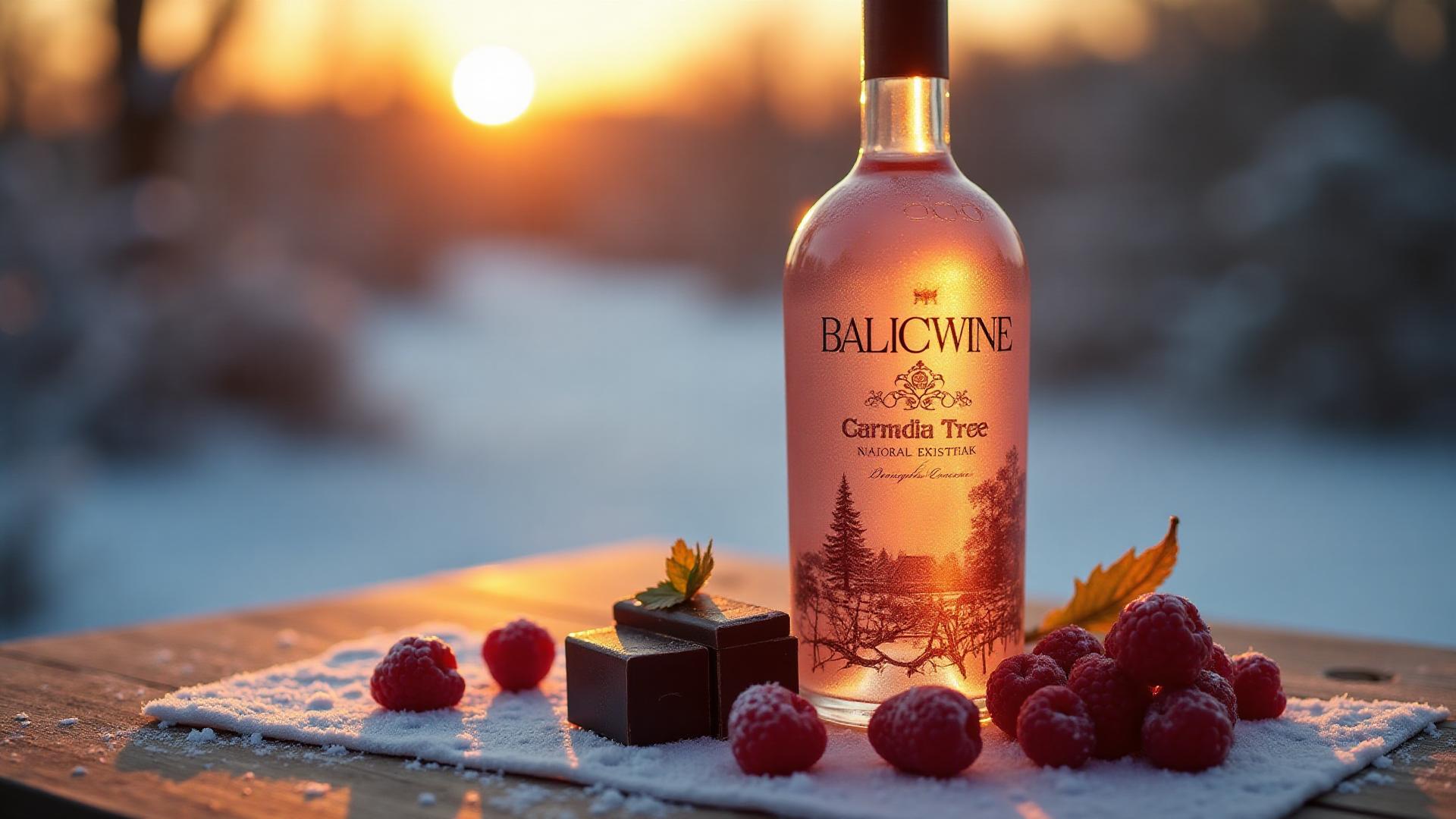
The chemistry of ice wine is remarkable:
- Extreme concentration: Sugar levels of 35-40 Brix (versus 22-25 for regular harvest)
- Preserved acidity: Cold temperatures prevent acid degradation
- Bright fruit character: Freezing preserves primary fruit aromatics
- Clean finish: No botrytis means no secondary/tertiary complexity when young
Canada's Niagara Peninsula and Okanagan Valley produce the world's finest ice wines, primarily from Vidal and Riesling. Germany and Austria also craft exceptional Eiswein, though climate change has made production increasingly challenging. These wines age beautifully, developing honey, dried apricot, and marmalade notes over 10-20 years.
Fortified Wines: Spirits Meet Sugar
Fortification—adding grape spirits during fermentation—stops yeast activity while preserving residual sugar. This technique creates some of the world's most complex dessert wines: Port, Sherry, Madeira, Marsala, Vin Doux Naturel (Banyuls, Maury, Muscat de Beaumes-de-Venise).
The chemistry of fortification introduces:
- Ethanol effects: Higher alcohol (17-22% ABV) changes perception of sweetness and body
- Oxidative aging: Many styles (Tawny Port, Sherry) develop intentional oxidation, creating nutty, caramel notes
- Malo-lactic complexity: In some styles, adds buttery, creamy texture
- Extended aging potential: Fortification preserves wine for decades, even centuries
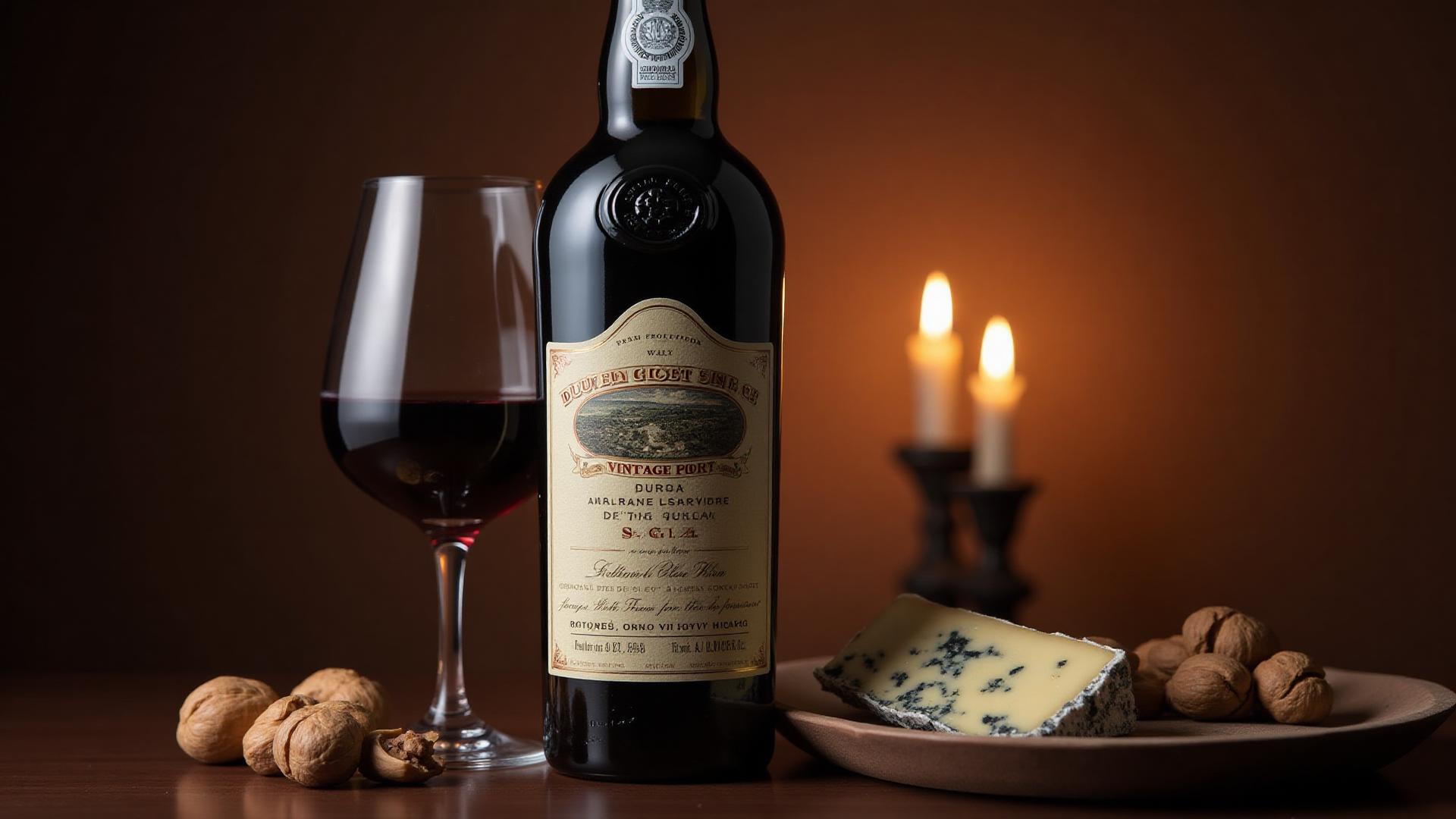
Port deserves special mention for its diversity: Ruby (fruity, young), Tawny (aged oxidatively, nutty), Vintage (bottle-aged, complex), Late Bottled Vintage (LBV), and specialty styles like White Port and Colheita. Each style offers unique pairing opportunities based on its specific aromatic and textural profile.
Section 2: Molecular Pairing Principles—Beyond "Wine Sweeter Than Dessert"
The cardinal rule—"wine must be sweeter than dessert"—prevents the wine from tasting thin or tart by comparison. But this is just the starting point. Successful pairing requires understanding how sugar, acid, tannin, alcohol, and flavor compounds interact on your palate and in your perception.
The Sugar-Acid Balance: The Foundation of Harmony
Sweetness and acidity exist in dynamic tension. High acidity makes wine taste less sweet; low acidity makes it cloying. The best dessert wines balance high residual sugar (100-300+ g/L) with substantial acidity (6-8+ g/L tartaric acid equivalent). This is why Sauternes, Riesling, and Icewine work so brilliantly—their acidity keeps sweetness refreshing rather than heavy.
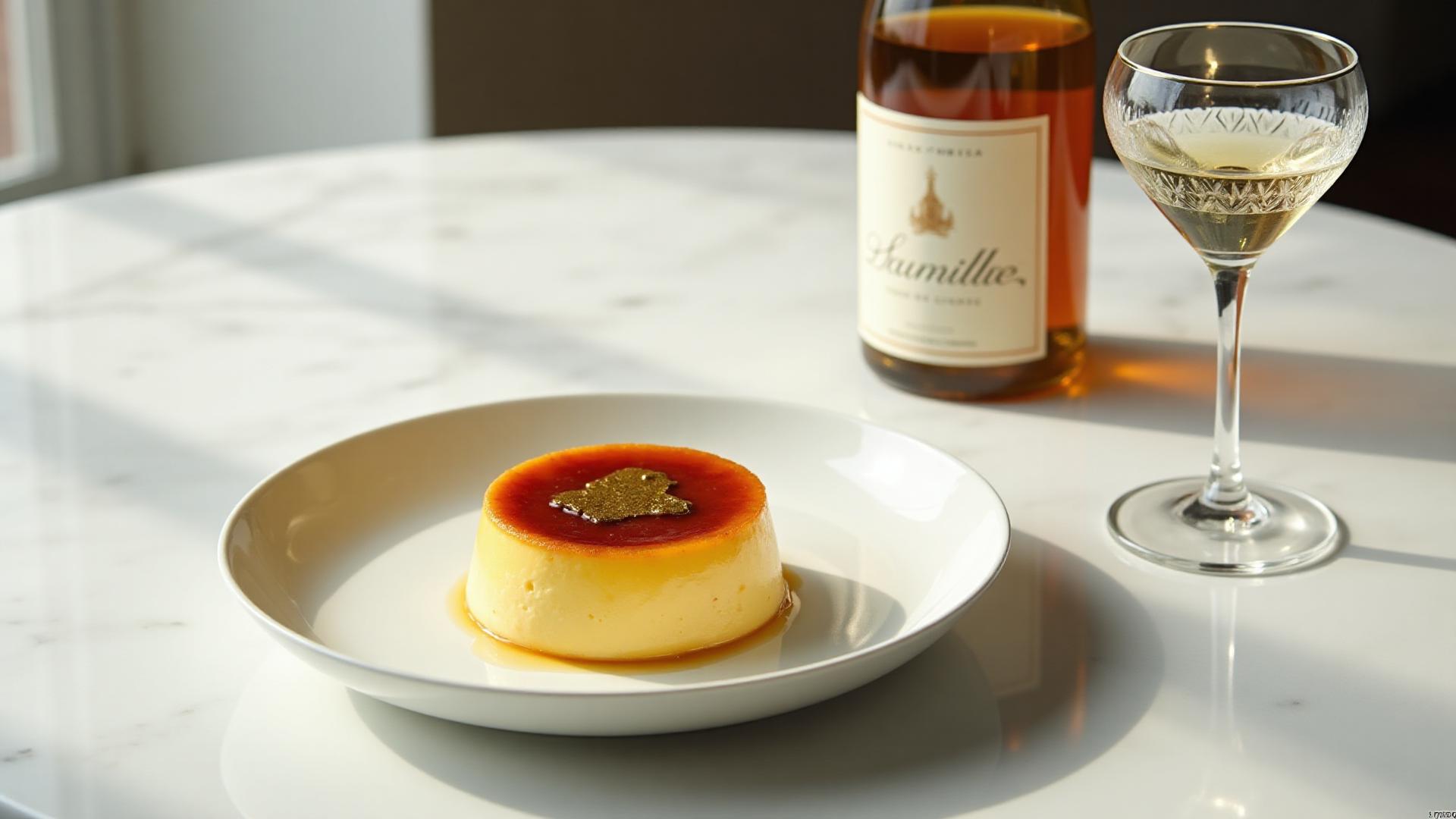
When pairing, consider the dessert's acidity: citrus desserts (lemon tart) require high-acid wines (Riesling), while buttery desserts (crème brûlée) pair better with lower-acid, oxidative wines (Tawny Port) that won't clash with richness.
Tannin Considerations: Why Dessert Wines Minimize Them
Tannins—polyphenolic compounds from grape skins, seeds, and oak—create astringency and bitterness. Both sensations intensify when combined with sugar, making tannic wines poor dessert partners. This is why most dessert wines come from white grapes or have minimal skin contact.
Exceptions exist: Banyuls and Maury (from Grenache) maintain tannin structure that works specifically with chocolate, where cocoa's tannins create synergy rather than conflict. Vintage Port's tannins soften beautifully with age, making older bottlings exceptional dessert wines.
Flavor Compound Matching: The Aromatic Bridge
The most elegant pairings share aromatic compounds between wine and dessert:
Compound Families
- Lactones: Found in oak, butter, cream, tropical fruit
- Esters: Found in fruit, fermentation, create fruity aromas
- Pyrazines: Found in chocolate, coffee, roasted nuts
- Vanillin: Found in vanilla, oak aging, caramel
- Terpenes: Found in flowers, citrus, honey
Classic Matches
- Crème brûlée + Tawny Port (vanillin)
- Lemon tart + Riesling (terpenes)
- Chocolate cake + Banyuls (pyrazines)
- Fruit tart + Sauternes (esters)
- Nut tart + Tokaji (lactones)
Texture Matching: Weight, Viscosity, and Mouthfeel
Beyond flavor, texture matters enormously. A light, delicate dessert (fruit salad, sorbet) overwhelms with a heavy, viscous wine. Conversely, a dense chocolate torte needs substantial wine body to match its richness.
Glycerol content, alcohol level, and residual sugar all contribute to perceived weight. Botrytized wines (high glycerol) feel luxurious and coating. Ice wines, despite extreme sugar, can taste relatively light due to high acidity and lower alcohol. Fortified wines' higher alcohol adds weight and warmth.
Section 3: Global Dessert Wine Regions—Terroir-Driven Character
Bordeaux & Sauternes: The Noble Rot Capital
Sauternes and Barsac, separated from dry Bordeaux by the Ciron River, benefit from morning mists that encourage botrytis development, followed by sunny afternoons that prevent gray rot. The terroir—limestone and clay soils, specific microclimates—creates optimal conditions for noble rot.
Sémillon dominates blends (70-90%), providing body, honeyed character, and aging potential. Sauvignon Blanc adds citrus freshness and acidity. Muscadelle contributes floral aromatics. The result: wines with 100-150 g/L residual sugar, bright acidity, and extraordinary complexity. Château d'Yquem represents the pinnacle—some vintages age gracefully for 50-100+ years.
Tokaj, Hungary: Aszú and Centuries of Tradition
Hungary's Tokaj region produces Tokaji Aszú, one of the world's oldest classified dessert wines (recognized since 1737). The unique production involves hand-harvesting botrytis-affected grapes (aszú berries), macerating them in base wine, then aging in oak barrels in volcanic cellars.
The traditional puttonyos system (3-6 puttonyos indicating sweetness level) has largely been replaced by simpler labeling, but the essence remains: oxidative aging creates orange marmalade, dried apricot, honey, and spice complexity. Furmint and Hárslevelű grapes provide the foundation. These wines can age for decades, developing incredible tertiary complexity.
Germany & Austria: Riesling's Sweet Expressions
The German Prädikatswein system classifies wines by must weight (sugar at harvest): Kabinett (lightest), Spätlese, Auslese, Beerenauslese (BA), Trockenbeerenauslese (TBA), and Eiswein. Each level represents increasing concentration and, typically, sweetness—though some Spätlese and Auslese are vinified dry (trocken).
Riesling's high natural acidity makes it the perfect dessert wine grape. Even at extreme sweetness levels (TBA can exceed 200 g/L residual sugar), the acidity keeps wine refreshing. The Mosel's slate soils add mineral complexity; the Rheingau's richer sites produce fuller-bodied wines. Austria's Burgenland, with its shallow Neusiedlersee lake, provides perfect botrytis conditions for extraordinary TBA.
Canada: Ice Wine Innovation
Canada's frigid winters transformed a German specialty into a national treasure. The Vintners Quality Alliance (VQA) strictly regulates ice wine production: grapes must freeze naturally at -8°C or colder, be harvested and pressed while frozen, with resulting juice measuring minimum 35 Brix.
Niagara Peninsula in Ontario and the Okanagan Valley in British Columbia lead production. Vidal, a hybrid variety, dominates commercially due to its thick skins (resist birds and disease) and reliable freezing. Riesling ice wine offers more elegance and aging potential. Some producers also make ice wine from Cabernet Franc (pink/red ice wine) and Gewürztraminer.
Portugal: Port's Diverse World
The Douro Valley's steep terraced vineyards produce Portugal's most famous export: Port. Multiple styles offer different pairing opportunities. Ruby Port (young, fruity) pairs with chocolate and berries. Tawny Port (aged oxidatively in barrel) develops caramel, nuts, and dried fruit that match custards and nutty desserts. Vintage Port (bottle-aged, powerful) requires age to soften but becomes extraordinarily complex.
The fortification tradition extends to Madeira (from the island of Madeira), which undergoes unique heating (estufagem) creating oxidized, caramelized character that's virtually indestructible. Malmsey (sweetest Madeira style) offers incredible complexity and can age for a century or more.
France (Loire, Alsace, Roussillon): Regional Treasures
Beyond Sauternes, France produces exceptional dessert wines in several regions. The Loire Valley's Coteaux du Layon, Quarts de Chaume, and Bonnezeaux (all from Chenin Blanc) offer botrytized wines with honey, quince, and mineral character. Alsace produces Vendange Tardive and Sélection de Grains Nobles from Riesling, Gewürztraminer, Pinot Gris, and Muscat.
Roussillon, in southern France, specializes in Vins Doux Naturels: fortified wines from Grenache (Banyuls, Maury) and Muscat (Muscat de Beaumes-de-Venise, Muscat de Rivesaltes). These oxidative-aged wines offer extraordinary value and complexity, particularly with chocolate and nut-based desserts.
Section 4: Master Pairing Guide—Dessert Categories & Wine Matches
Chocolate Desserts
Dark Chocolate (70%+ cacao)
Best Pairing: Banyuls, Maury, LBV Port, or Vintage Port (10+ years)
Why: Cocoa tannins need wine tannins for synergy. Grenache-based fortified wines share chocolate's phenolic compounds.
Milk Chocolate
Best Pairing: Tawny Port (10-20 year), Cream Sherry, Malmsey Madeira
Why: Caramel and nut notes from oxidative aging complement milk chocolate's creaminess without overwhelming.
White Chocolate
Best Pairing: Moscato d'Asti, late harvest Muscat, or Icewine
Why: White chocolate lacks cocoa solids (no tannins), so pairing emphasizes vanilla, cream, and sweetness matching.
Fruit-Based Desserts
Citrus Desserts (Lemon Tart, Key Lime Pie)
Best Pairing: Riesling Auslese/Beerenauslese, late harvest Chenin Blanc
Why: High acidity essential to match citrus. Riesling's lime-lemon aromatics create aromatic bridge.
Stone Fruit Desserts (Peach Cobbler, Apricot Tart)
Best Pairing: Sauternes, Tokaji Aszú, Muscat de Beaumes-de-Venise
Why: Botrytis creates apricot and peach aromatics naturally. Muscat adds floral elegance.
Berry Desserts
Best Pairing: Ruby Port, Brachetto d'Acqui, late harvest Zinfandel
Why: Red fruit character matches berries. Slight tannin structure supports rather than conflicts.
Cream & Custard Desserts
Crème Brûlée, Flan, Panna Cotta
Best Pairing: Tawny Port, Pedro Ximénez Sherry, Malmsey Madeira
Why: Oxidative aging creates caramel notes matching burnt sugar. Lower acidity doesn't clash with cream richness.
Tiramisu
Best Pairing: Vin Santo, Marsala Superiore, Pedro Ximénez
Why: Coffee and cocoa need oxidative wines with nutty, coffee-like notes from barrel aging.
Nut-Based Desserts
Pecan Pie, Walnut Tart, Almond Cake
Best Pairing: Tokaji Aszú, Tawny Port (20+ year), Vin Santo
Why: Aged dessert wines develop nutty, praline notes naturally. Oxidative aging creates aromatic harmony.
Section 5: Advanced Techniques—Temperature, Service, and Experience Design
Temperature Science: The Overlooked Variable
Temperature dramatically affects perception. Warmer wine emphasizes alcohol and sweetness while reducing apparent acidity. Colder wine highlights acidity and reduces perceived sweetness. Most dessert wines benefit from slight chilling (50-55°F / 10-13°C), but each style has optimal serving temperatures:
Glassware Matters: Shape, Size, and Sensory Impact
Dessert wine glasses should be smaller than standard wine glasses (3-4 oz / 90-120 ml) to control portions and concentrate aromatics. The shape varies by wine style:
- Tulip-shaped: Best for Sauternes, Tokaji, Riesling—concentrates aromatics
- Small copita/sherry glass: Ideal for oxidative wines (Sherry, Madeira, Tawny Port)
- Mini port glass: For Vintage Port, allows wine to breathe slightly
- Flute-style: For sparkling dessert wines (Moscato d'Asti, demi-sec Champagne)
Multi-Course Dessert Menus: Progressive Pairing
For special occasions, consider a dessert-only tasting menu with wine pairings:
- Opener: Light fruit-based dessert + sparkling wine (Moscato d'Asti)
- Second Course: Nut or cream dessert + medium-bodied wine (Tawny Port)
- Third Course: Chocolate dessert + full-bodied fortified wine (Banyuls, Vintage Port)
- Finale: Cheese course + aged noble rot wine (Sauternes, Tokaji 20+ years)
Progress from lighter to heavier, sweeter to more complex, ensuring each pairing builds on the previous without overwhelming.
Vintage Selection: When to Splurge, When to Save
Not all dessert wine experiences require expensive bottles. Understanding when vintage matters helps optimize your budget:
Vintage Matters Most:
- Sauternes (great vintages age 30+ years)
- Vintage Port (requires 10-20 years minimum)
- Tokaji Aszú (6 puttonyos vintage dated)
- German TBA/Eiswein (top vintages rare, valuable)
Vintage Less Critical:
- Tawny Port (blended, age statement more important)
- Moscato d'Asti (drink young, vintage irrelevant)
- Late harvest wines (consistent, drink within 5-10 years)
- Most Madeira (oxidative style transcends vintage)
Conclusion: Elevating the Dessert Experience
Dessert wine pairing is where science and art converge. Understanding the chemistry—how botrytis transforms grapes, how tannins interact with chocolate, how acidity balances sweetness—provides the framework. But the art lies in experimentation, trusting your palate, and creating memorable experiences for yourself and your guests.
The guidelines I've shared come from years of formal training, laboratory analysis, and thousands of tasting experiences. But they're starting points, not rigid rules. Wine is subjective; what tastes harmonious to you may not to another. Use this knowledge to explore confidently, understanding *why* pairings work or don't, rather than merely following prescriptive lists.
As you embark on your dessert wine journey, remember that even the finest Château d'Yquem or most concentrated Eiswein is ultimately about pleasure, connection, and celebration. Whether you're ending a special meal, hosting friends, or simply treating yourself to something beautiful, dessert wines offer liquid joy in its most concentrated, complex, and compelling form.
Here's to sweet discoveries, perfect pairings, and the alchemy that happens when exceptional wine meets exceptional dessert. Santé!