The Story Behind the Plate
Italy plays the World Cup the way it cooks, by region. There is no single Italian table, just twenty regional ones that share an obsession with quality ingredients, simple preparations and long meals. A Sicilian watch party pours Nero d'Avola with caponata. A Roman watch party pours Frascati with carbonara. A Piedmontese watch party pours Barbera with bagna cauda and Barolo with brasato. Italian wine maps to Italian food with a precision unmatched anywhere else, which makes the choice of bottle as much a statement of regional identity as the choice of dish. For a long match, the smart move is to pick a region and stay loyal to it for the night.
Why These Pairings Work
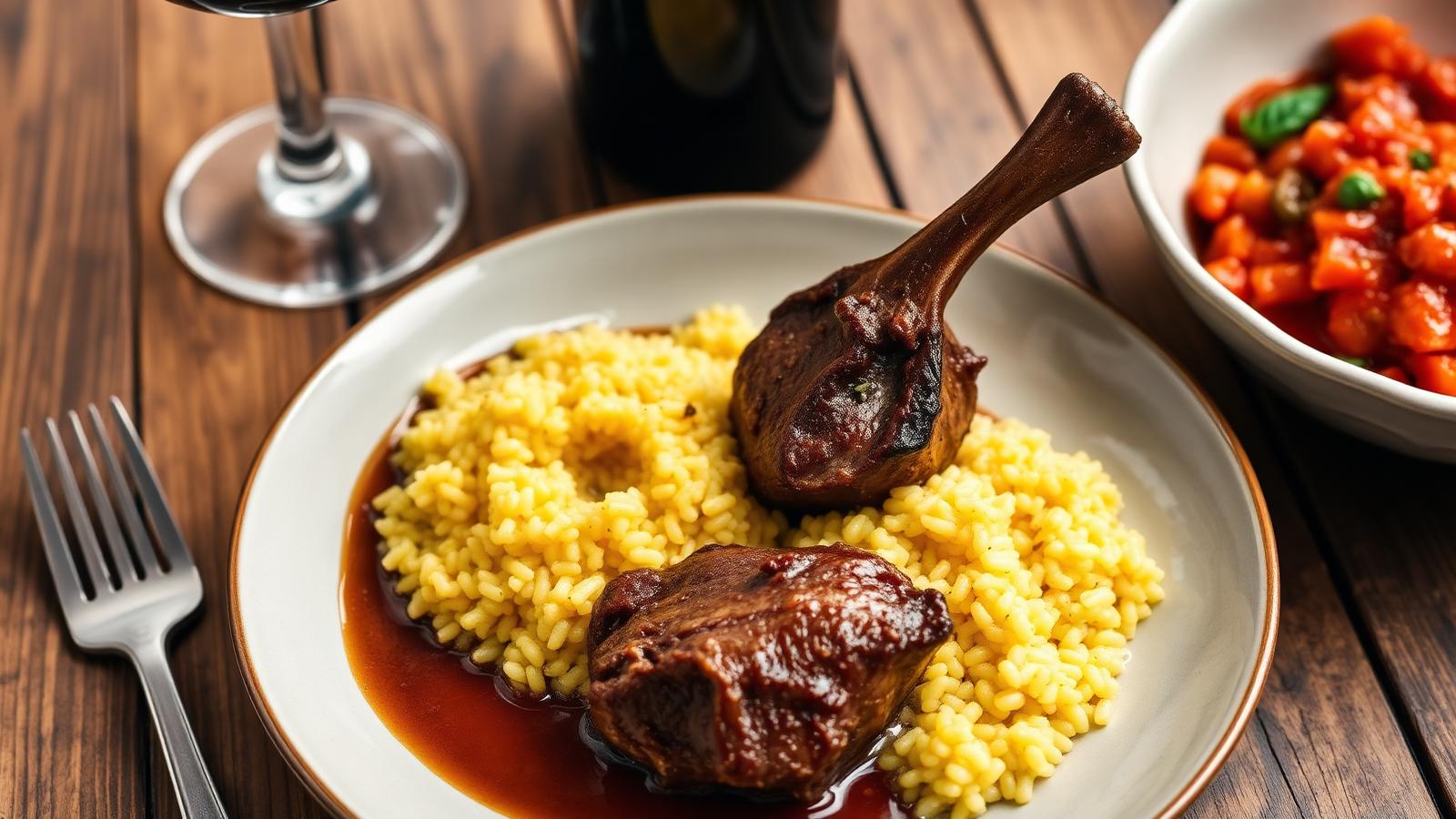
Italian wine works with Italian food because acidity is the through-line of both. Sangiovese from Chianti or Brunello has the bright cherry and tomato-leaf acidity that mirrors any tomato-based sauce. Nebbiolo from Barolo and Barbaresco brings tar and rose for slow-cooked beef and game. Vermentino from the coast handles seafood, while Verdicchio from Marche meets fried fish and roast chicken. For richer dishes like osso buco, a Super Tuscan or an Amarone della Valpolicella brings the depth needed without losing acidity. The single biggest mistake is reaching for a heavy oaked Chardonnay with Italian food. Skip it. Italian whites are built for the table, and the table prefers them.
The Match-Day Ritual
Italian match days are built around the long Sunday lunch, often pushed earlier or later to align with kickoff. Antipasti appear first, with prosciutto, salami, olives, bruschetta and a chilled glass of Prosecco or Vermentino. Pasta arrives next, almost always with a young Sangiovese or a Montepulciano alongside. The secondo, whether a grilled steak, an osso buco or a porchetta, moves the wine into Brunello, Barolo or a Super Tuscan range. Dolce closes the meal with a small glass of Vin Santo and a few cantucci, or an espresso and a digestivo of grappa or amaro for the adults. The match itself is treated as one course among many.
Region Spotlight
Tuscany remains the gateway Italian region for most international wine drinkers, with Sangiovese in three distinct expressions: Chianti Classico (fresh, food-friendly, mid-weight), Brunello di Montalcino (structured, age-worthy, premium) and the Super Tuscans pioneered by Sassicaia and Tignanello (Bordeaux-style blends from the Tuscan coast). Piedmont is the other essential region, home of Nebbiolo in Barolo and Barbaresco, plus the lighter Barbera and Dolcetto for everyday drinking. Sicily has emerged in the past decade as Italy's most exciting region, with Nerello Mascalese from Mount Etna producing some of the most distinctive volcanic-soil reds in the world.
When pouring Sangiovese with pasta, keep the wine at 16 to 17 degrees Celsius rather than full room temperature. Sangiovese loses its trademark acidity above 18 degrees, and that acidity is the entire point of pairing it with tomato sauce. A brief 15 minutes in an ice bucket before kickoff fixes the temperature instantly.