The Story Behind the Plate
Honduran cooking is generous, comforting and built around the everyday baleada and the celebratory plato tipico. Sopa de caracol from the Garifuna coast, pollo con tajadas, carne asada with chimol salsa, and the daily rituals of corn tortillas, beans and crema all carry deep tradition. Honduras does not produce wine of its own, so the wine table draws on Argentine Malbec for grilled meats, Spanish Tempranillo for richer dishes, and Chilean whites for the coastal seafood. The cuisine prizes warmth, generosity and bright accompaniments like chimol and curtido, all of which reward wines with body and lift in roughly equal measure.
Why These Pairings Work
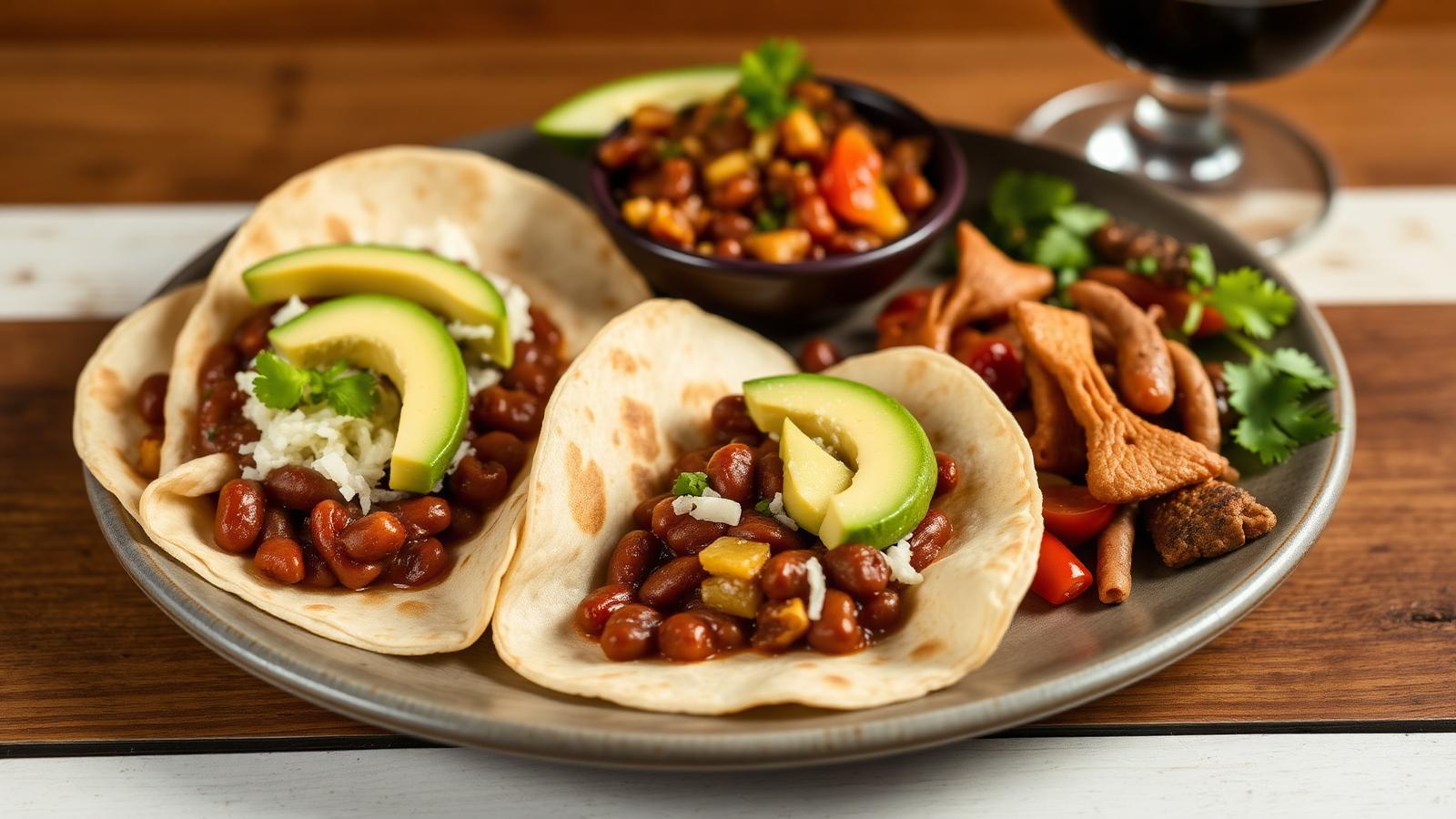
Honduran food pairs well with medium-bodied reds that have both fruit weight and bright acidity. For plato tipico and grilled carne asada, a Marques de Riscal Reserva Rioja or a Catena Malbec from Mendoza provides the body needed for the grilled meat and the acidity to handle chimol salsa. For baleadas, especially the deluxe versions with meat and avocado, a Trapiche Oak Cask Malbec or a Cotes du Rhone red is the friendly everyday choice. For Garifuna coastal dishes like sopa de caracol and pescado frito, a Chilean Sauvignon Blanc or a Spanish Albarino is the right call. For dessert tres leches, a small glass of Pedro Ximenez sherry or a late-harvest Moscatel is the indulgent finish. Skip heavy oaked Cabernet with Honduran food. The cuisine is bright and herb-forward, and the wine should follow.
The Match-Day Ritual
A Honduran watch party is family-driven, generous and built around shared plates served continuously across the afternoon. The opening round usually includes a tray of baleadas fresh from the comal, a bowl of chimol salsa with tortilla chips, and small plates of mantequilla and queso seco. The main course at halftime is often plato tipico with carne asada, beans, plantain, avocado and tortillas, served buffet-style. Malbec or Rioja Crianza pours throughout. Smaller snacks like pastelitos and yuca con chicharron circulate during the second half. Dessert is small and traditional: a slice of tres leches cake or a bowl of fresh tropical fruit, finished with strong Honduran coffee from the Copan or Marcala regions.
Region Spotlight
Without a domestic wine industry, Honduran wine drinking is shaped by Argentine Malbec and Spanish Tempranillo imports. Catena and Trapiche from Mendoza serve everyday grilled meat nights, while Rioja and Ribera del Duero anchor the more formal Sunday meals. Chilean Sauvignon Blanc from Casablanca leads the coastal seafood category. The truly distinctive Honduran beverage scene is built around specialty coffee from the highlands of Marcala, Copan and Santa Barbara, with award-winning farms now appearing on third-wave coffee menus across North America and Europe. The country has also developed a small but growing craft beer scene in Tegucigalpa and San Pedro Sula.
Serve your Argentine Malbec slightly chilled at 15 degrees Celsius, especially during the warm Honduran afternoons. Central American heat amplifies alcohol in the glass quickly, and a cooler pour keeps the wine refreshing across a long match. The fresh fruit notes also shine more brightly at the lower temperature, making the wine a better partner for chimol-topped grilled meat.