The Story Behind the Plate
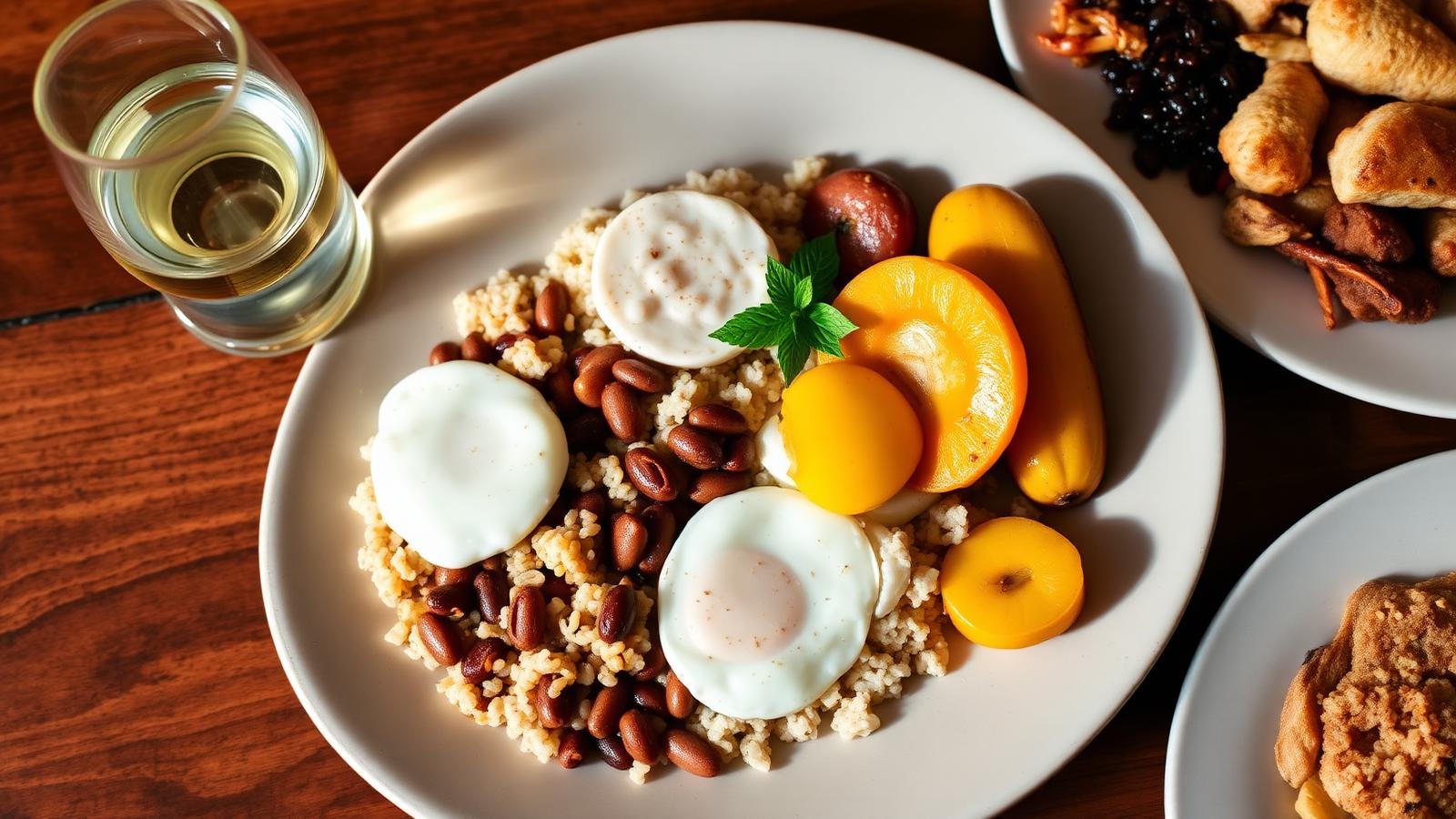
Costa Rican cooking is honest, fresh and deeply tied to the country's pura vida ethos. Gallo pinto for breakfast, casado for lunch, olla de carne for Sunday family meals, and ceviche from the Pacific coast all carry warm tradition. Tropical fruit, beans, rice, plantain and the iconic Salsa Lizano define the everyday flavor profile. Costa Rica does not produce wine of its own, but as one of the world's premier coffee origins, the country has built a sophisticated beverage culture around the bean. For wine, Costa Rican tables draw on Chilean, Argentine and Spanish imports that match the bright, herbal, plant-forward character of the cuisine.
Why These Pairings Work
Costa Rican food pairs best with wines that have bright acidity, modest body and a sense of restraint. For ceviche, a coastal Chilean Sauvignon Blanc from Casa Marin or a Spanish Albarino is the textbook match. For gallo pinto and casado, a light Beaujolais Villages or a Cono Sur Bicicleta Pinot Noir provides the freshness needed without competing with the beans, rice and plantain. For olla de carne and richer meat dishes, a Mendoza Malbec or a Maipo Carmenere offers the body required. For dessert tres leches cake, a small glass of Moscato d'Asti or a Portuguese late-harvest Moscatel is the friendly Costa Rican finish. Skip heavy reds with everyday Costa Rican dishes. The cuisine is light and bright, and the wine should follow.
The Match-Day Ritual
A Costa Rican watch party is relaxed, family-driven and built around shared plates served slowly across the afternoon. The opening round usually includes a bowl of ceviche, tortilla chips with guacamole and a plate of plantain chips with refried beans. The main course at halftime is often a tray of casado with grilled chicken or fish, served buffet-style with rice, beans, plantain and salad. Wine pours throughout in casual glasses. Smaller snacks like empanaditas and queso turrialba on crackers circulate during the second half. Dessert is small and traditional: a slice of tres leches cake or arroz con leche, finished with strong Tarrazu coffee.
Region Spotlight
Without a domestic wine industry, Costa Rican wine culture is anchored by Chilean imports, with Concha y Toro, Cono Sur and Casa Marin appearing on most serious wine lists. Spanish Albarino from Rias Baixas is the favorite for Pacific seafood, while Argentine Malbec serves the grilled meat nights. The truly distinctive Costa Rican beverage scene revolves around specialty coffee from Tarrazu, Naranjo and the Central Valley, with award-winning farms now appearing on tasting menus worldwide. The country's craft cocktail scene has also exploded in the past decade, with bartenders incorporating cacao, vanilla and tropical fruit from local farms.
Pour your Chilean Sauvignon Blanc at 9 degrees Celsius for ceviche and slightly warmer at 11 degrees for casado. The cooler temperature with ceviche amplifies the salinity and citrus that match the lime cure, while the slightly warmer pour with casado lets the wine open up to handle the layered textures of rice, beans and grilled protein.