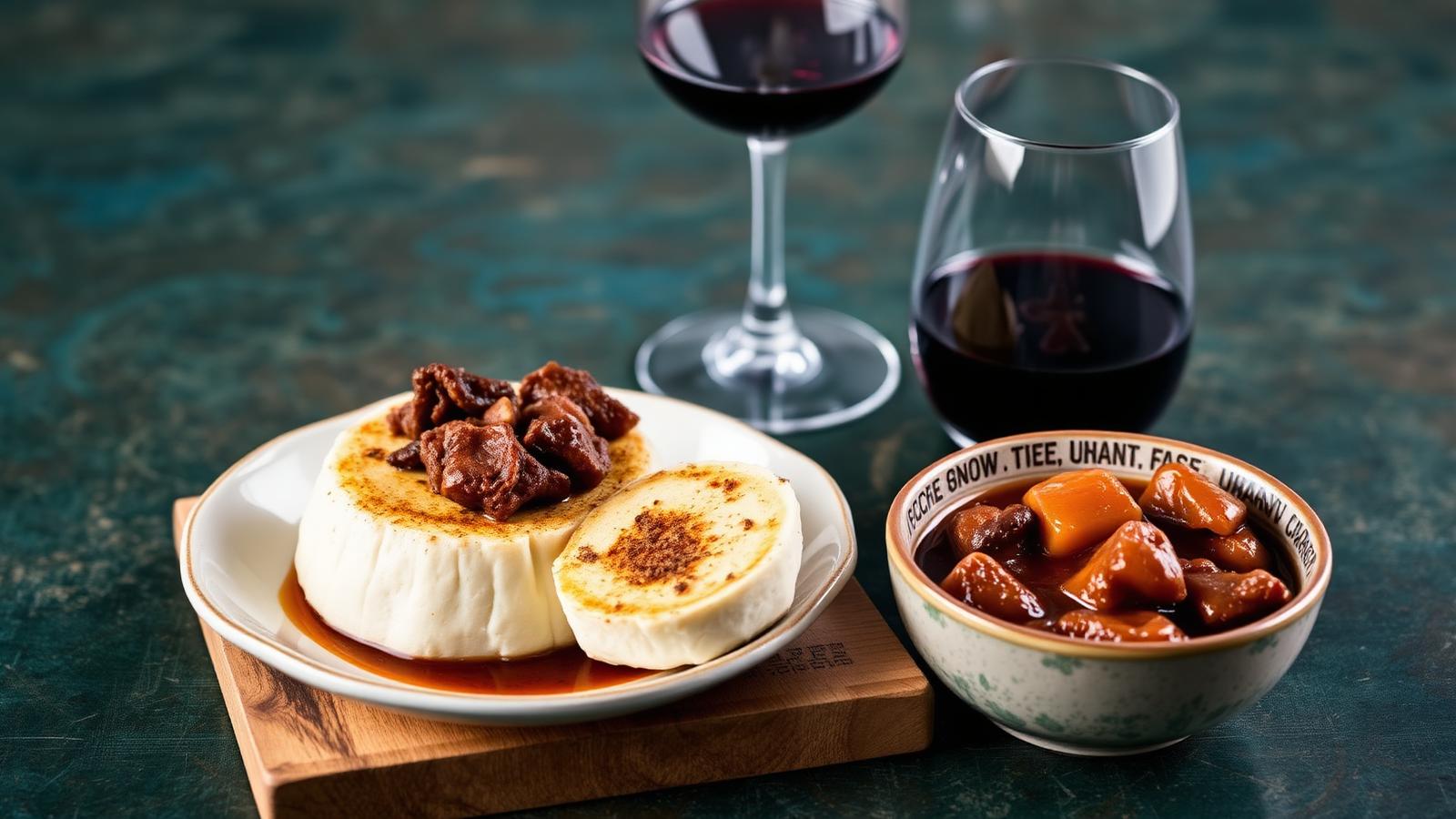
The Story Behind the Plate
Curacao cooking is a fascinating Dutch-Caribbean fusion, with keshi yena as the cheese-shell national dish, stoba stews as the everyday comfort food, and funchi cornmeal mush as the universal side. Pastechi fried pastries, bakkeljauw saltfish stew, and the famous iguana soup at festivals round out the traditional table. Curacao does not produce wine of its own, but as part of the Dutch Kingdom, the island has inherited a strong wine import culture, with French roses and Burgundy whites leading the way. The cuisine rewards wines with body and bright acidity that can handle both the Dutch cheese tradition and the Caribbean spice that defines local cooking.
Why These Pairings Work
Curacao food rewards wines with body, brightness and just enough fruit weight to handle Caribbean heat. For keshi yena, a Cune Imperial Gran Reserva Rioja is the prestige match, with structured Tempranillo standing up to the Dutch cheese shell and complementing the spiced chicken stuffing. For stoba stews, a Bandol Rose from Domaine Tempier or a Beaujolais Villages provides the bright fruit needed without overwhelming the Caribbean spice base. For lighter dishes like pastechi or grilled fish, a Provence rose or a Spanish Albarino is the right call. For dessert kos dushi sweets, a small glass of Pedro Ximenez or a Sauternes provides the indulgent finish. Skip heavy oaked reds with Curacao food. The cuisine is bright and spice-forward, and the wine should follow.
The Match-Day Ritual
A Curacao watch party is relaxed, family-driven and runs on island time. The opening round usually includes a tray of pastechi fresh from the fryer, a plate of cheese and crackers, and bowls of pika sauce. The main course at halftime is often a steaming pot of stoba or a tray of keshi yena, served with funchi or rice on the side. Bandol Rose or Rioja pours throughout. Smaller snacks like keshi cu kome and bolo pretu circulate during the second half. Dessert is small and traditional: a slice of bolo di banana or a bowl of kos dushi, finished with strong Surinamese-Dutch coffee. Throughout, the awa di lamoenchi lime water and the iconic blue curacao cocktails remain on the table for anyone who wants a tropical alternative.
Region Spotlight
Without a domestic wine industry, Curacao wine culture has built itself around the strongest matches for the island's Dutch-Caribbean fusion cuisine. Spanish Rioja from Cune and La Rioja Alta has become the prestige red for keshi yena nights, while Provence rose serves the everyday Caribbean spice dishes. The island's truly distinctive beverage tradition is blue curacao, the bright blue liqueur made from the dried peel of the laraha bitter orange that grows only on Curacao. Used widely in tropical cocktails, the liqueur is a global ambassador for the island. The newer trend on serious Curacao tables is South African Chenin Blanc and Pinotage, reflecting the historic Dutch trade routes that connected the Cape and the Caribbean.
Serve your Bandol Rose slightly cooler than instinct suggests, around 9 degrees Celsius. Caribbean heat warms wine in the glass quickly, and a slightly cooler pour keeps the wine crisp and refreshing across a long, hot match-day afternoon. The structure and fruit of Bandol come through clearly even at lower temperatures, making it more food-friendly than ever.