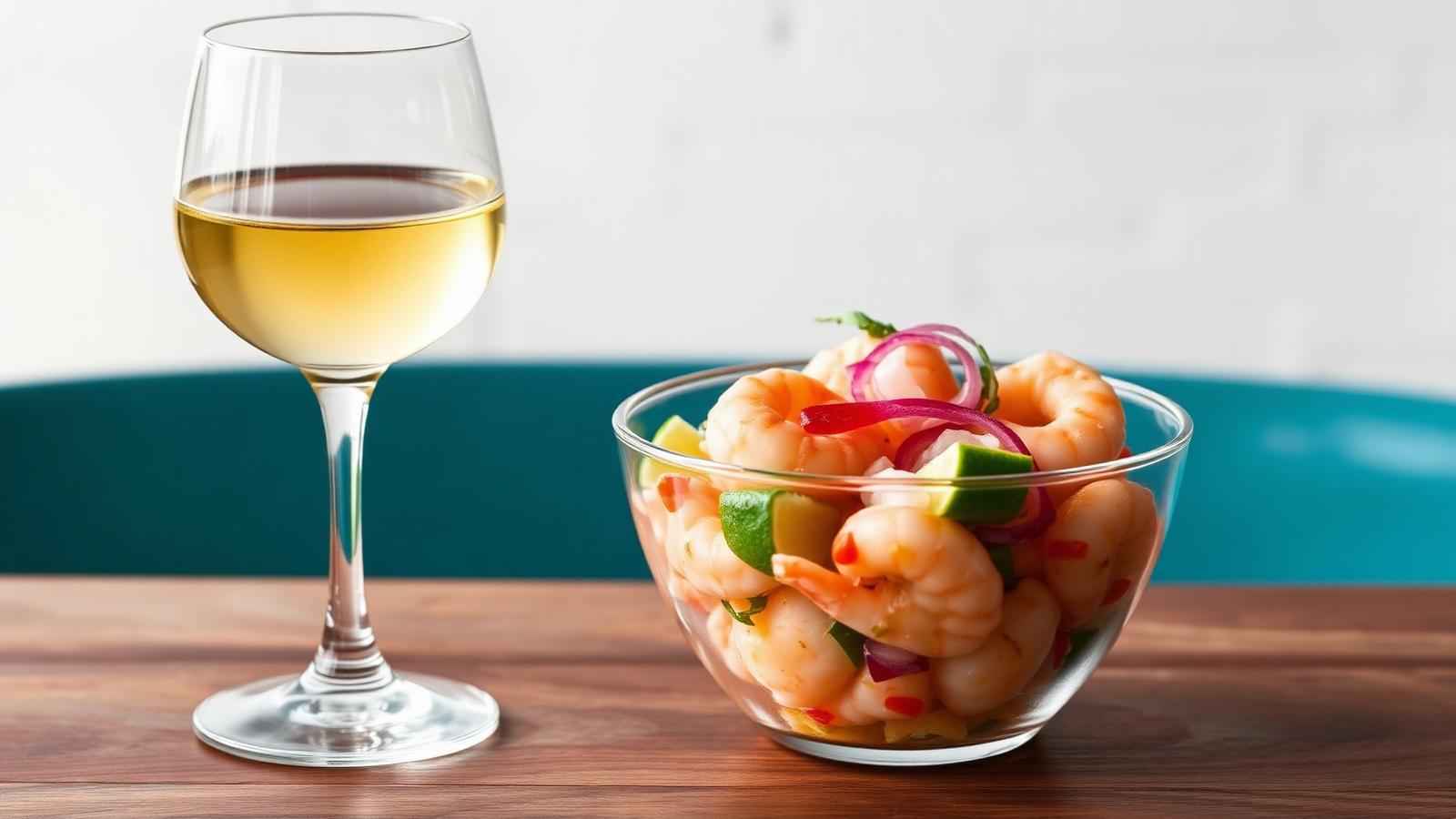
The Story Behind the Plate
Ecuadorian cuisine sits at the intersection of coast, mountain and Amazon, with ceviche from Manabi, locro de papa from the Andes, and encebollado as the national tuna stew that doubles as morning-after medicine. Plantain shows up everywhere, from patacones and bolones to maduros at every plate. For a World Cup watch party, the meal-first approach pairs the seafood-heavy coastal dishes with bright Atlantic whites and the heartier highland stews with light reds. Ecuador does not yet have a commercial wine industry, so the table looks to Galicia, Chile and Argentina for its pours.
Why These Pairings Work
Ecuadorian seafood, especially ceviche and encebollado, rewards wines with salinity and lime-bright acidity. Albarino from Rias Baixas is the most reliable choice, with Galician Godello and a coastal Chilean Sauvignon Blanc close behind. For the heartier highland dishes like seco de chivo or locro de papa, switch to a light Pinot Noir from Casablanca or a Beaujolais Villages. The wine needs to refresh, not dominate. For grilled meat with chimichurri-style chimol, a young Malbec from Mendoza is the simple answer. Skip oaked Chardonnay and heavy Cabernet here. Both flatten the bright citrus notes that define Ecuadorian cooking.
The Match-Day Ritual
The Ecuadorian watch party often kicks off with bolones de verde, the fried green plantain balls stuffed with cheese or chicharron, alongside aji criollo. As the match starts, ceviche bowls arrive with chifles and popcorn for sprinkling. Encebollado follows for anyone who needs more substance, especially late in extra time. Wine pours in small rounds, often into water glasses since formal stemware is rare at casual gatherings. Dessert is helado de paila or a slice of tres leches, finished with strong Andean coffee.
Region Spotlight
Without a meaningful domestic wine scene, Ecuadorian wine drinking is shaped by import flows from Chile and Spain. Albarino from Rias Baixas has become the unofficial coastal wine of Guayaquil and Manta, with its saline character matching the seafood culture exactly. From Chile, San Antonio and Casablanca whites lead the way, while Maipo and Colchagua reds anchor steak nights. Ecuadorian sommeliers in Quito have also championed Argentine Torrontes for highland dishes, where the floral aromatics flatter aji peppers and roasted corn.
Chill your Albarino to fridge temperature, around 8 degrees Celsius, and pour small servings. Coastal Ecuadorian humidity warms wine in the glass quickly, so smaller pours stay crisp longer than full glasses left to sit through 90 minutes of football.