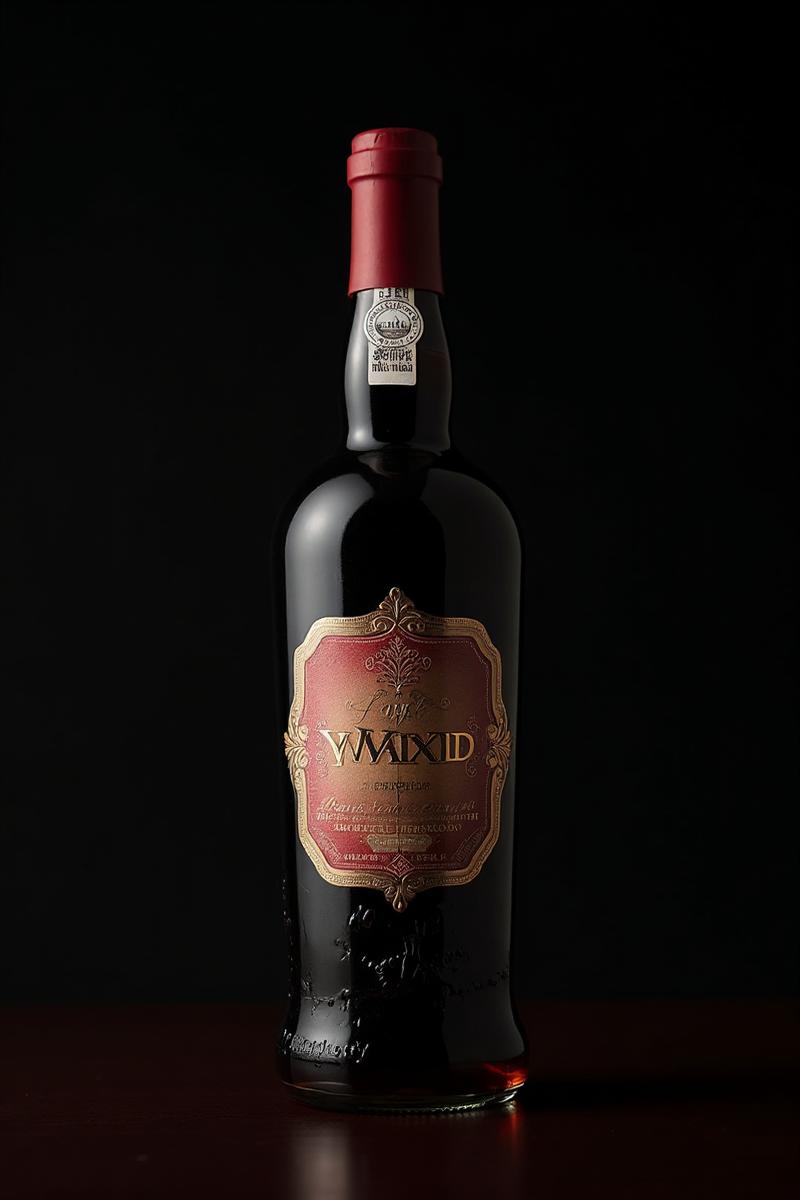
Holiday Desserts 2025: The Art of Perfect Pairing
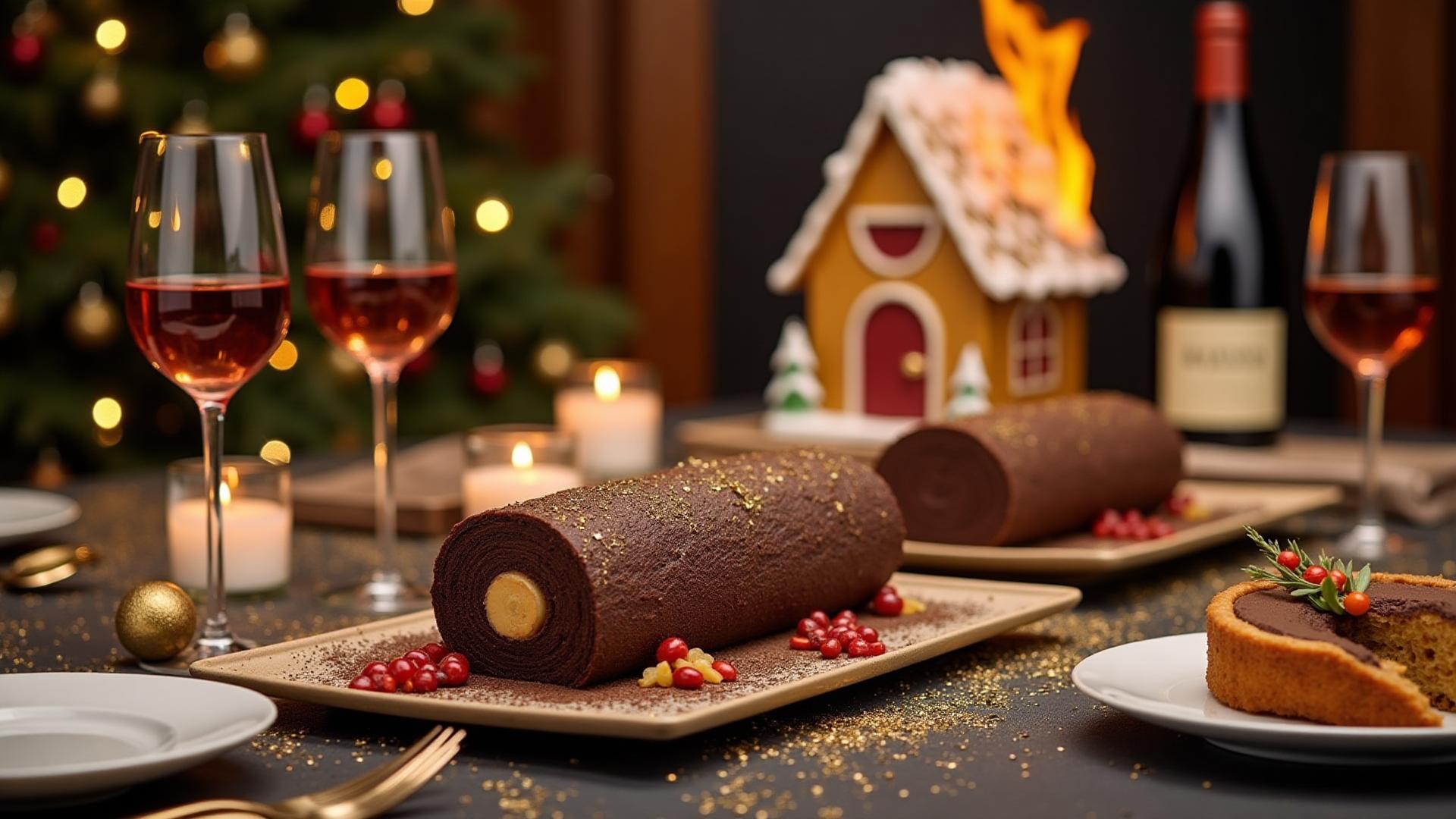
As the holiday season approaches, the art of dessert presentation and pairing reaches its pinnacle. Drawing from three decades at Le Cordon Bleu Paris, I present the definitive guide to elevating your holiday dessert experience through masterful wine pairings that honor tradition while embracing sophistication.
The Philosophy of Holiday Dessert Pairing
The foundation of exceptional dessert pairing lies in understanding the interplay between sweetness, acidity, and texture. During the holidays, when richness abounds, our palates crave balance—this is where the science of pairing becomes an art form. The golden rule: your wine must be sweeter than your dessert, yet possess sufficient acidity to cleanse and refresh between bites.
"A well-paired dessert wine doesn't compete—it complements, enhances, and elevates. It transforms a meal's finale into an unforgettable crescendo."
— WINEVERSEiQ Editorial Team
French Classics: The Trinity of Elegance
Bûche de Noël with Sauternes
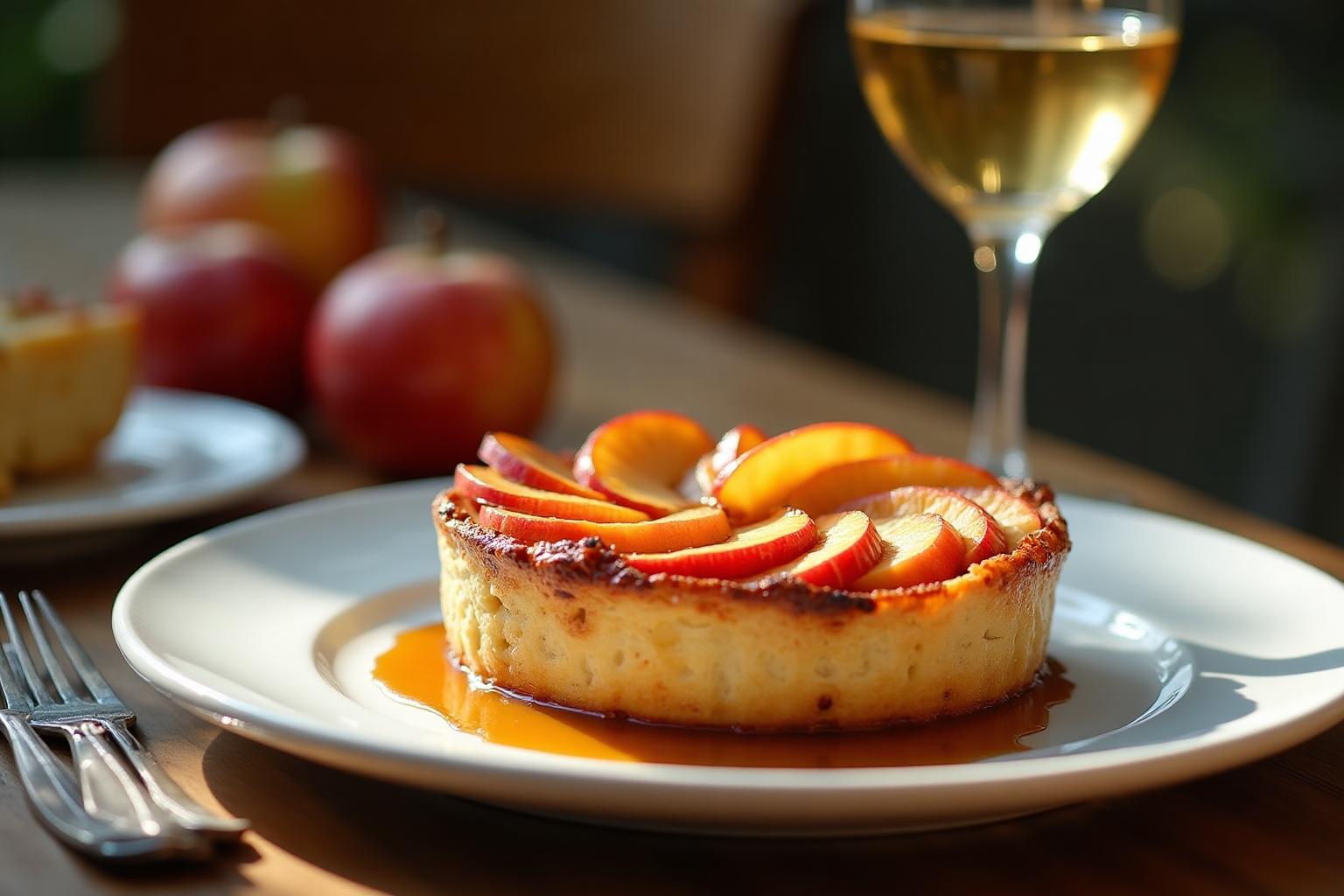
The iconic Yule log demands a wine of equal stature. A noble-rot Sauternes from Château d'Yquem or Château Suduiraut offers the perfect counterpoint to dark chocolate's bitterness. The wine's honeyed apricot notes and unctuous texture create a harmony that transforms both elements.
Recommended Pairing:
- Château d'Yquem 2018 (Grand Cru)
- Château Rieussec 2019 (Premier Cru)
- Serving: 10-12°C (50-54°F)
Tarte Tatin with Aged Sauternes
The caramelized apple tart requires a wine with both sweetness and age. A 10-15 year old Sauternes develops tertiary notes of caramel, toffee, and dried fruits that mirror the tarte's deep caramelization. The wine's acidity cuts through the buttery puff pastry, preventing palate fatigue.
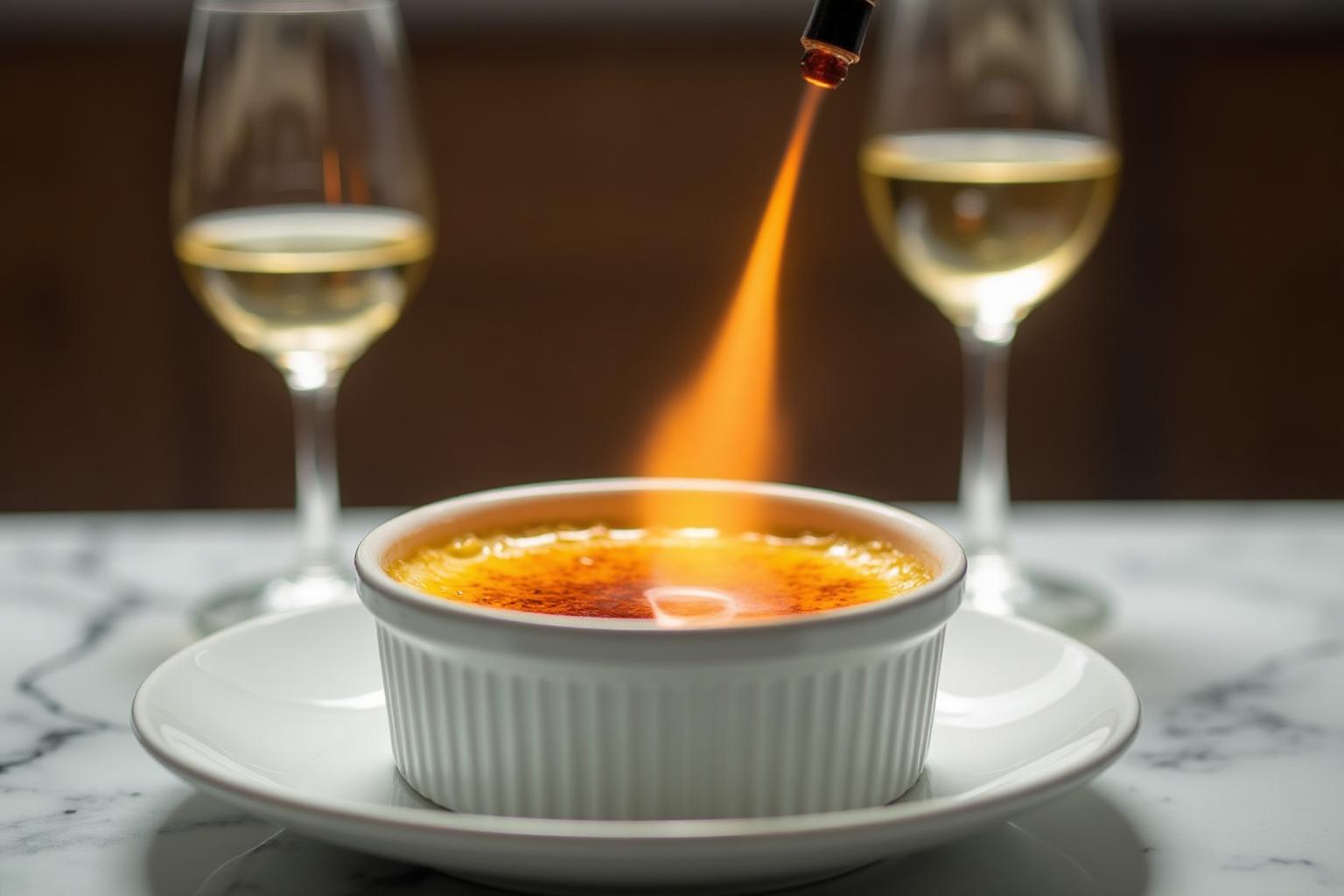
Crème Brûlée with Tokaji Aszú
The silken custard beneath a crackling sugar crust pairs exquisitely with Hungarian Tokaji Aszú 5 Puttonyos. The wine's balanced sweetness and vibrant acidity complement without overwhelming, while its notes of orange marmalade and honey echo the custard's vanilla sophistication.
European Elegance: Beyond France
German Stollen with Eiswein
The dense, fruit-laden Christmas bread from Dresden finds its perfect match in German Eiswein (ice wine). Produced from frozen grapes harvested at -8°C, Eiswein's concentrated sweetness and piercing acidity balance stollen's richness while amplifying its candied fruit flavors.
Technical Notes: Seek Riesling-based Eiswein from Mosel or Rheingau with residual sugar above 150g/L and acidity exceeding 8g/L. The 2018 and 2019 vintages are exceptional.
Italian Panettone with Moscato d'Asti
Milan's airy Christmas cake pairs beautifully with Moscato d'Asti's gentle effervescence. At just 5.5% alcohol, this slightly sparkling wine cleanses the palate between bites without overwhelming panettone's delicate citrus and vanilla notes. Serve well-chilled at 6-8°C.
British Plum Pudding with Pedro Ximénez
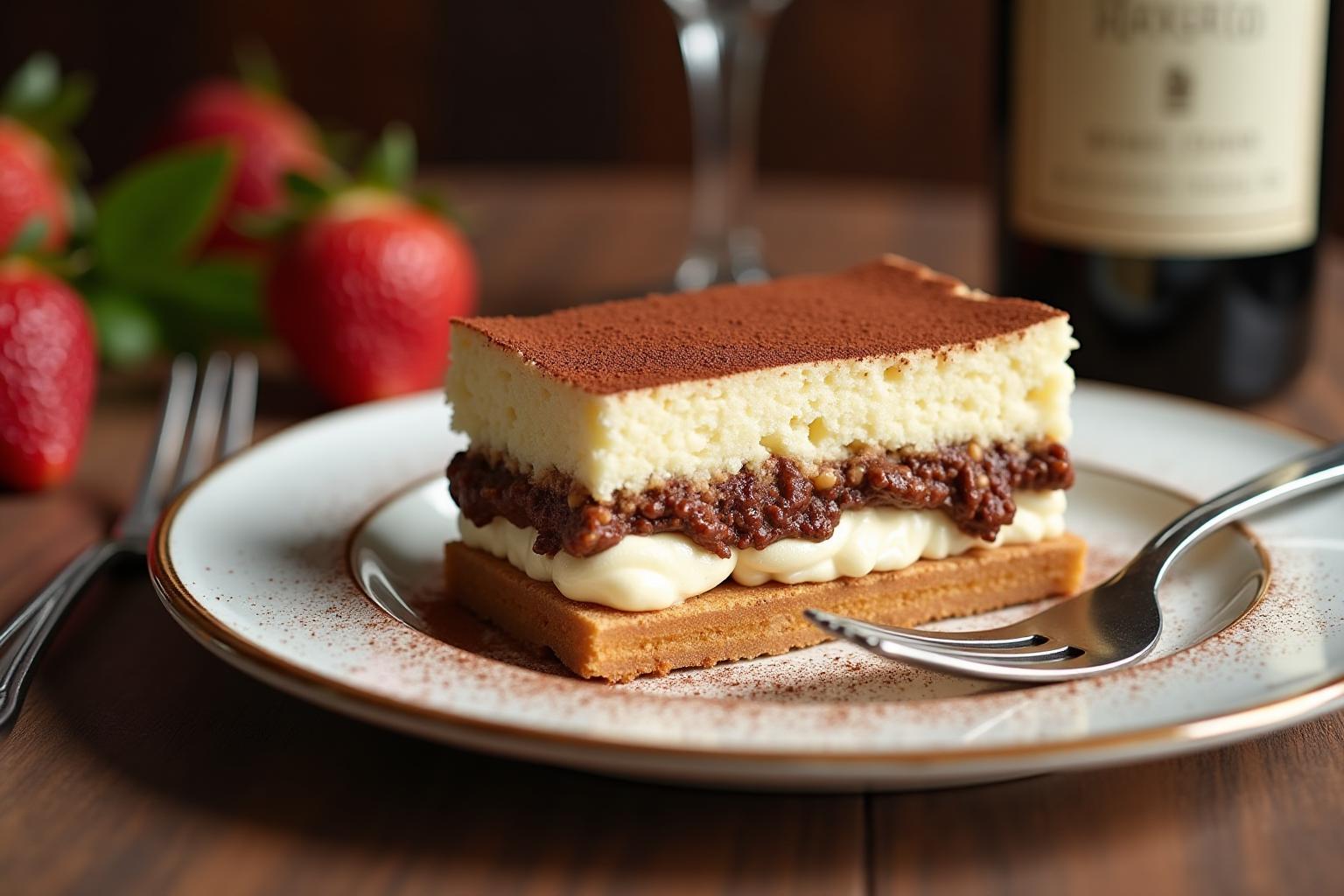
The dense, spirit-soaked pudding requires a wine of equal intensity. Spanish Pedro Ximénez (PX) sherry, with its syrupy consistency and notes of raisins, figs, and molasses, creates a harmonious union. The fortified wine's 17% alcohol stands up to the pudding's brandy-soaked richness.
The Science of Dessert Wine Pairing
Understanding Noble Rot
Botrytis cinerea, the "noble rot," is the secret behind Sauternes' complexity. This beneficial fungus concentrates sugars while introducing unique flavor compounds: sotolon (curry, maple), phenylacetaldehyde (honey), and lactones (coconut). These molecules create layers of flavor that develop over decades in bottle.
The Role of Residual Sugar
Dessert wines range from 45g/L (demi-sec Champagne) to 450g/L (Tokaji Eszencia). For holiday desserts averaging 25-35g sugar per 100g, aim for wines with 120-200g/L residual sugar. This ensures the wine reads as sweeter than the dessert while maintaining balance.
Chocolate Desserts
- • Dark (70%+): Banyuls, Maury
- • Milk: Tawny Port, Madeira
- • White: Moscato, Vin Santo
Fruit-Based Desserts
- • Citrus: Riesling Auslese
- • Stone fruits: Sauternes
- • Berries: Late Harvest Zinfandel
Hosting Tips & Presentation
Temperature is Critical
Serve dessert wines too cold, and you mute their aromatics; too warm, and alcohol dominates. Follow these guidelines:
- Sauternes/Tokaji: 10-12°C (50-54°F) - 30 minutes in ice bucket
- Eiswein: 6-8°C (43-46°F) - Well-chilled, serve immediately
- Fortified (Port, PX): 14-16°C (57-61°F) - Light chill only
- Moscato d'Asti: 6-8°C (43-46°F) - As cold as Champagne
Glassware Matters
Use smaller glasses (6-8 oz) for dessert wines—their concentration demands modest pours. ISO-style tasting glasses work beautifully, focusing aromatics while preventing over-serving. A 2 oz pour is ample; remember, these wines contain 3-4x the flavor intensity of table wines.
The Multi-Course Dessert Menu
For formal holiday dinners, consider a progressive dessert service:
- 1. Palate Cleanser: Moscato d'Asti with fruit sorbet
- 2. Light Dessert: Riesling Auslese with apple tart
- 3. Rich Finale: Vintage Port with chocolate truffle
- 4. Digestif: Aged Cognac (optional)
Conclusion: Creating Holiday Magic
The perfect holiday dessert pairing transcends mere flavor matching—it creates moments of wonder that guests remember for years. Whether you're serving a traditional Bûche de Noël with Sauternes or experimenting with modern combinations, the principles remain constant: balance sweetness, honor acidity, and serve with intention.
This holiday season, invest in quality dessert wines. A single bottle of Château d'Yquem, shared among eight guests, costs less per person than a premium coffee—yet delivers an experience that elevates your entire celebration. That, truly, is the art of French hospitality.
About the Editorial Team: The WINEVERSEiQ™ Editorial Team includes pastry experts and wine professionals with extensive experience in dessert and wine pairing, collaborating to bring you the finest holiday dessert recommendations.