Dessert Wines
Sauternes, Tokaji, Icewine, and Moscato d'Asti for sweet moments. Luscious, complex, and perfectly balanced for your final course.
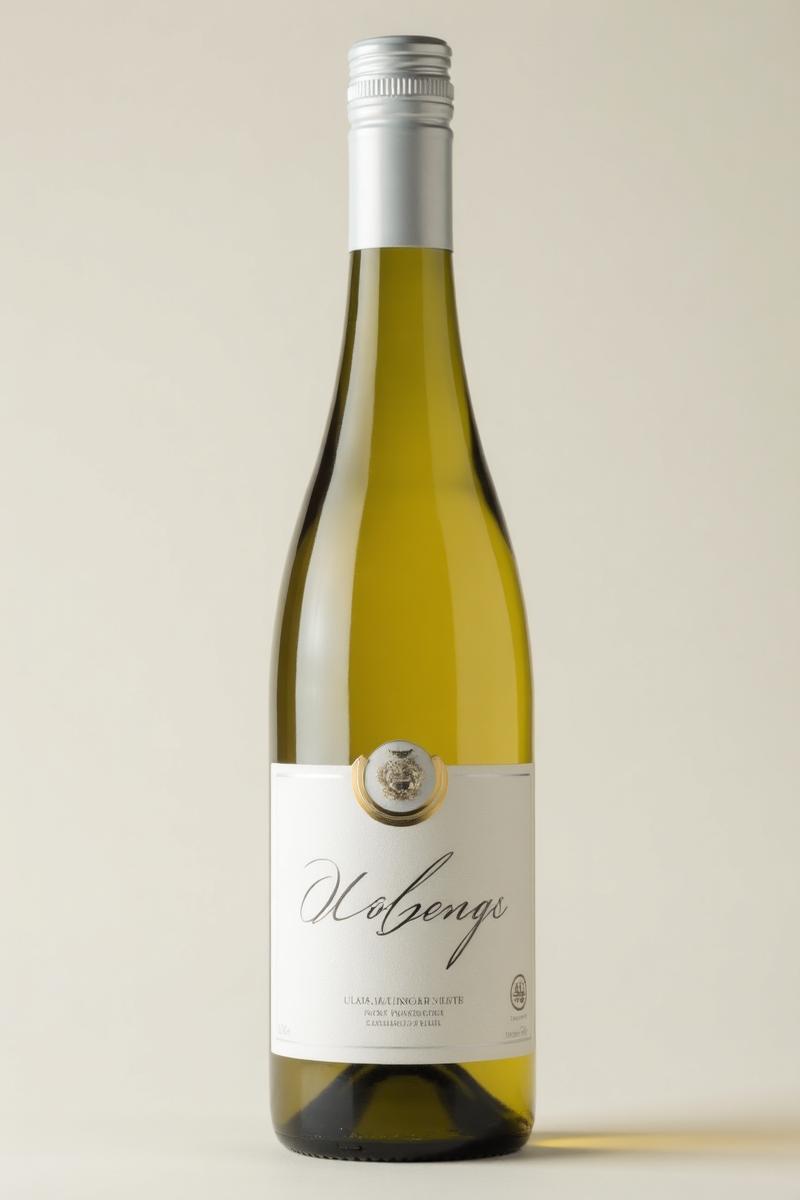
Sauternes 2018
Noble rot Sémillon and Sauvignon Blanc. Honeyed apricot, botrytis complexity, and luscious sweetness.
Tokaji Aszú 5 Puttonyos
Hungarian sweet wine with orange marmalade, honey, and dried apricot. Balanced acidity prevents cloying.

Icewine Vidal 2022
Canadian frozen-grape wine with intense tropical fruit, honey, and laser-sharp acidity.
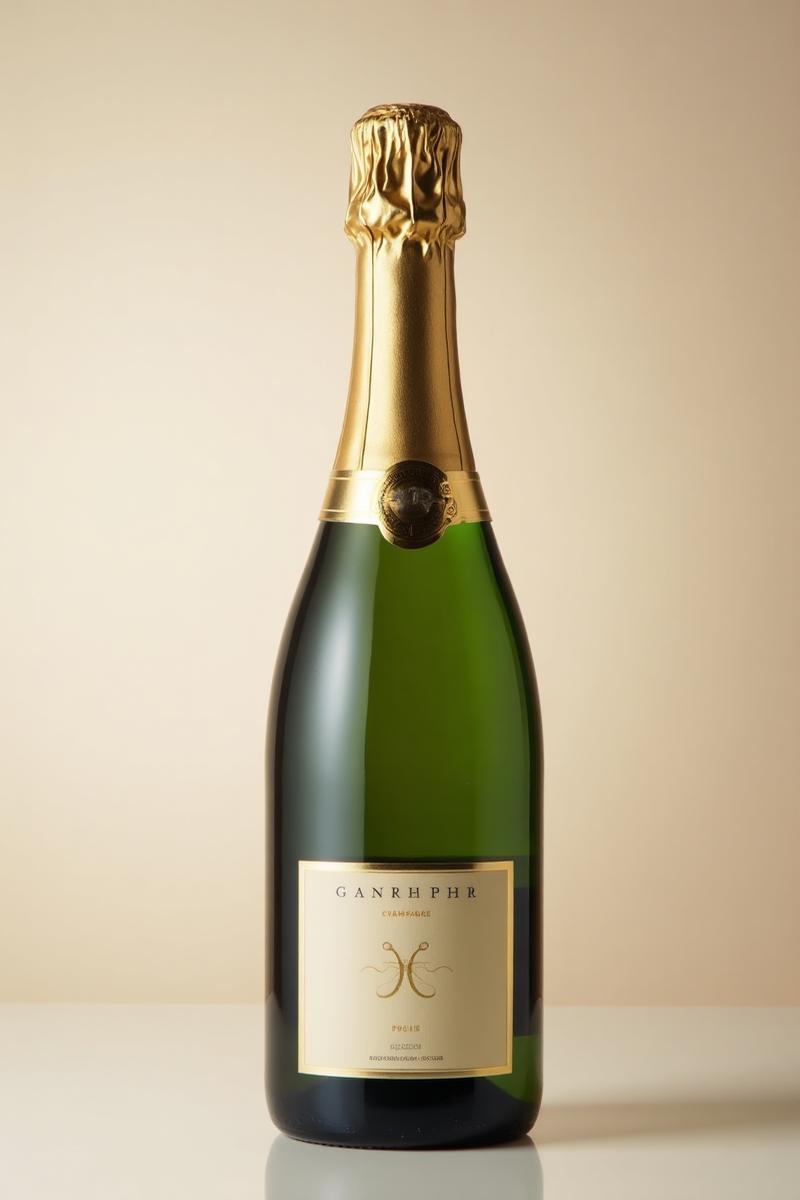
Moscato d'Asti 2024
Lightly sparkling Piedmont Muscat. Peach, apricot, and honeysuckle with low alcohol. Refreshing sweetness.
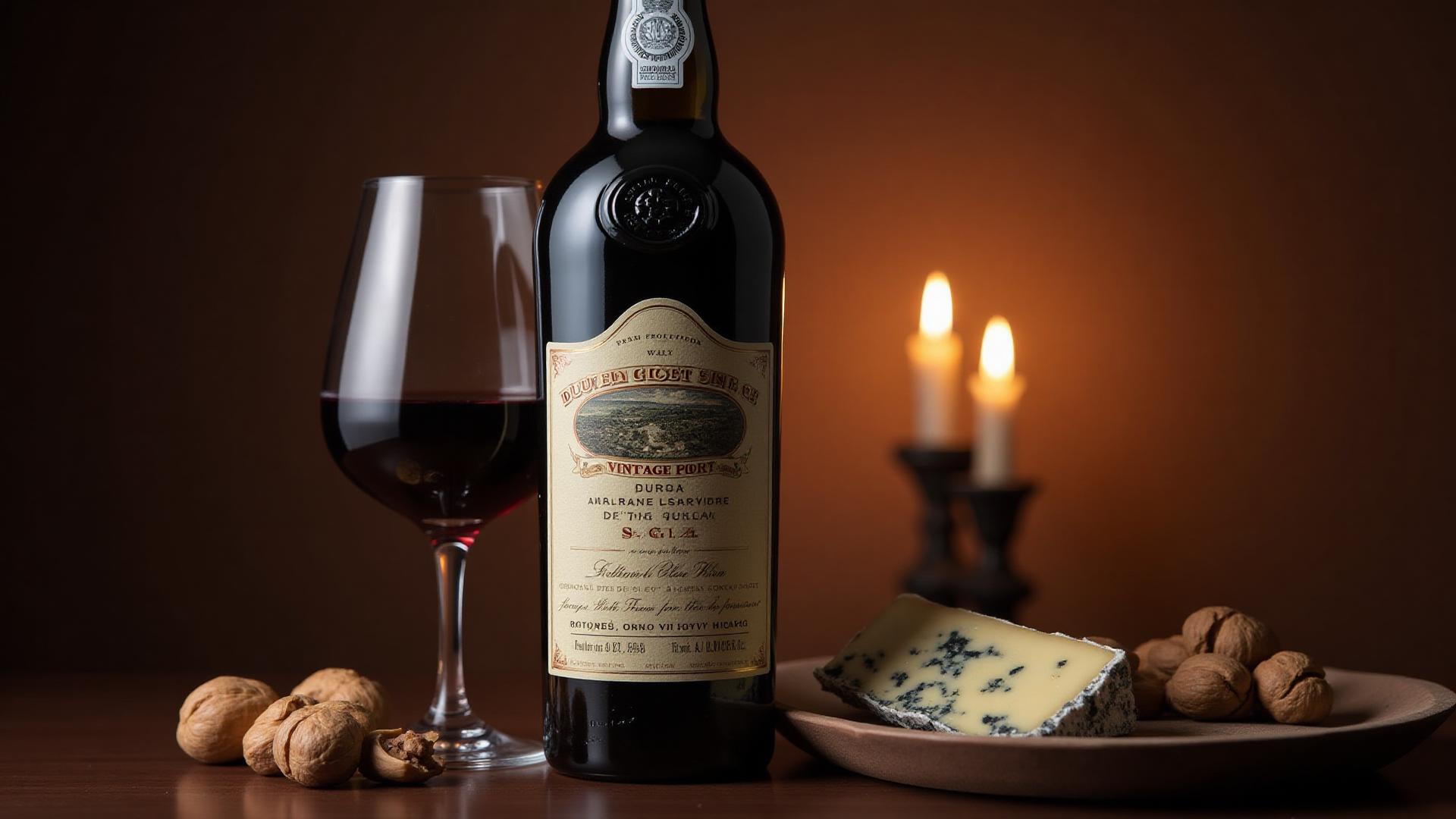
Vintage Port 2016
Fortified Portuguese wine with dark fruit, chocolate, and warming spice. Decadent with blue cheese.
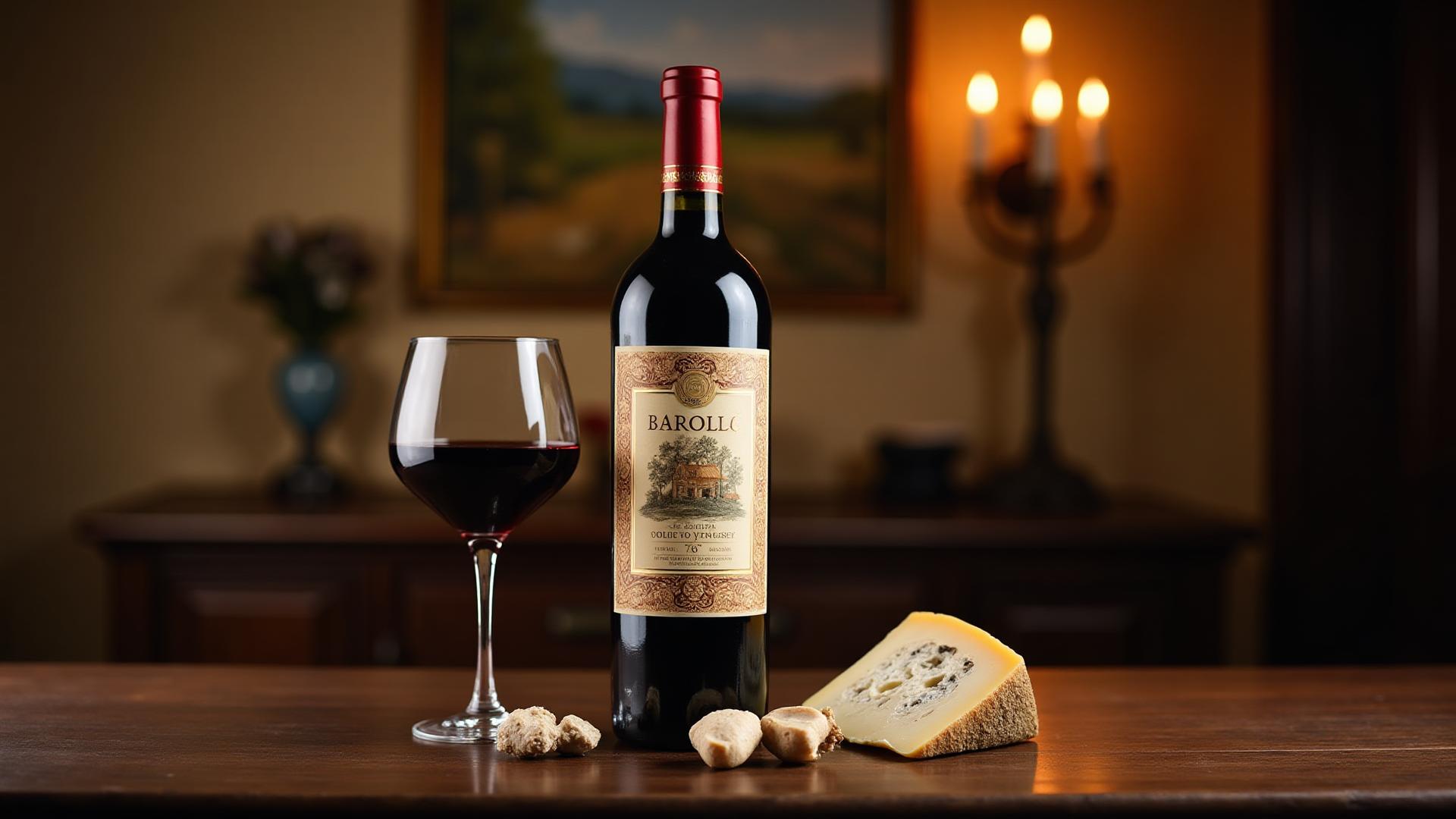
Vin Santo del Chianti 2015
Tuscan passito wine aged in caratelli. Nutty, dried fig, and caramel. Perfect with biscotti.
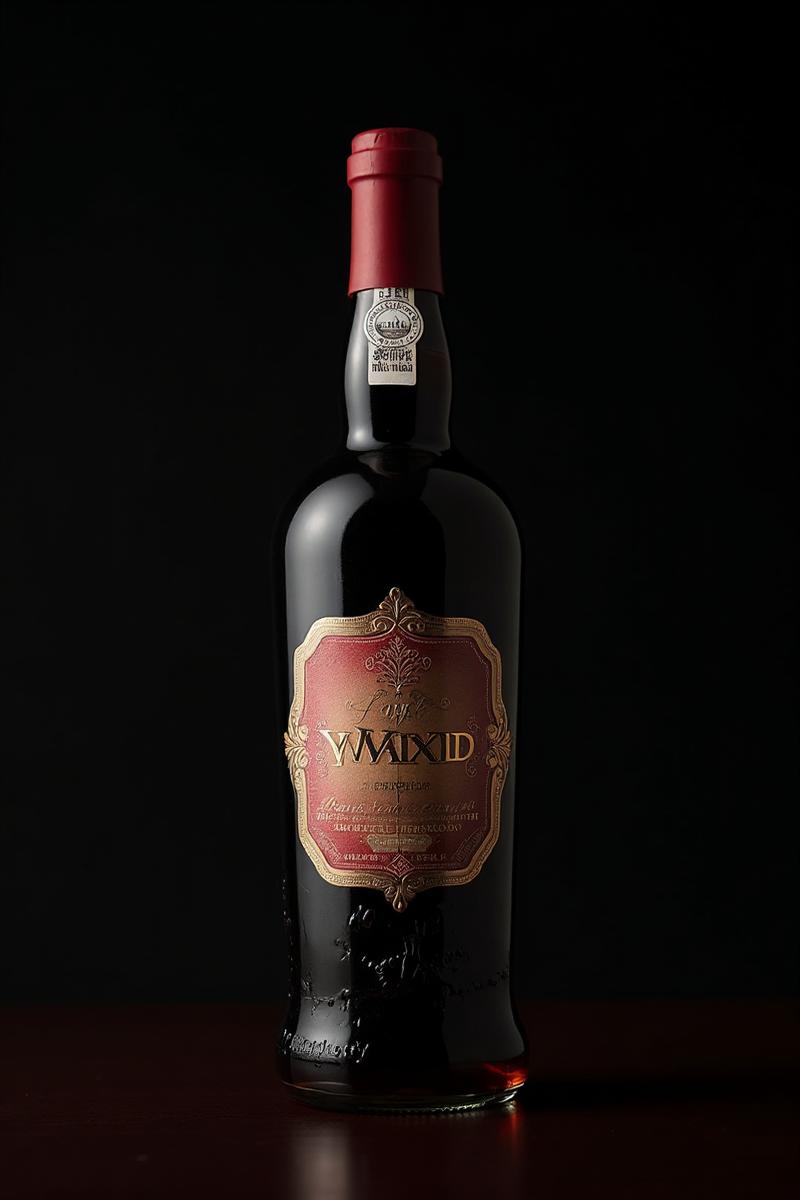
Banyuls Rimage 2020
French fortified wine from Roussillon. Chocolate, black cherry, and espresso. Pairs with dark chocolate.
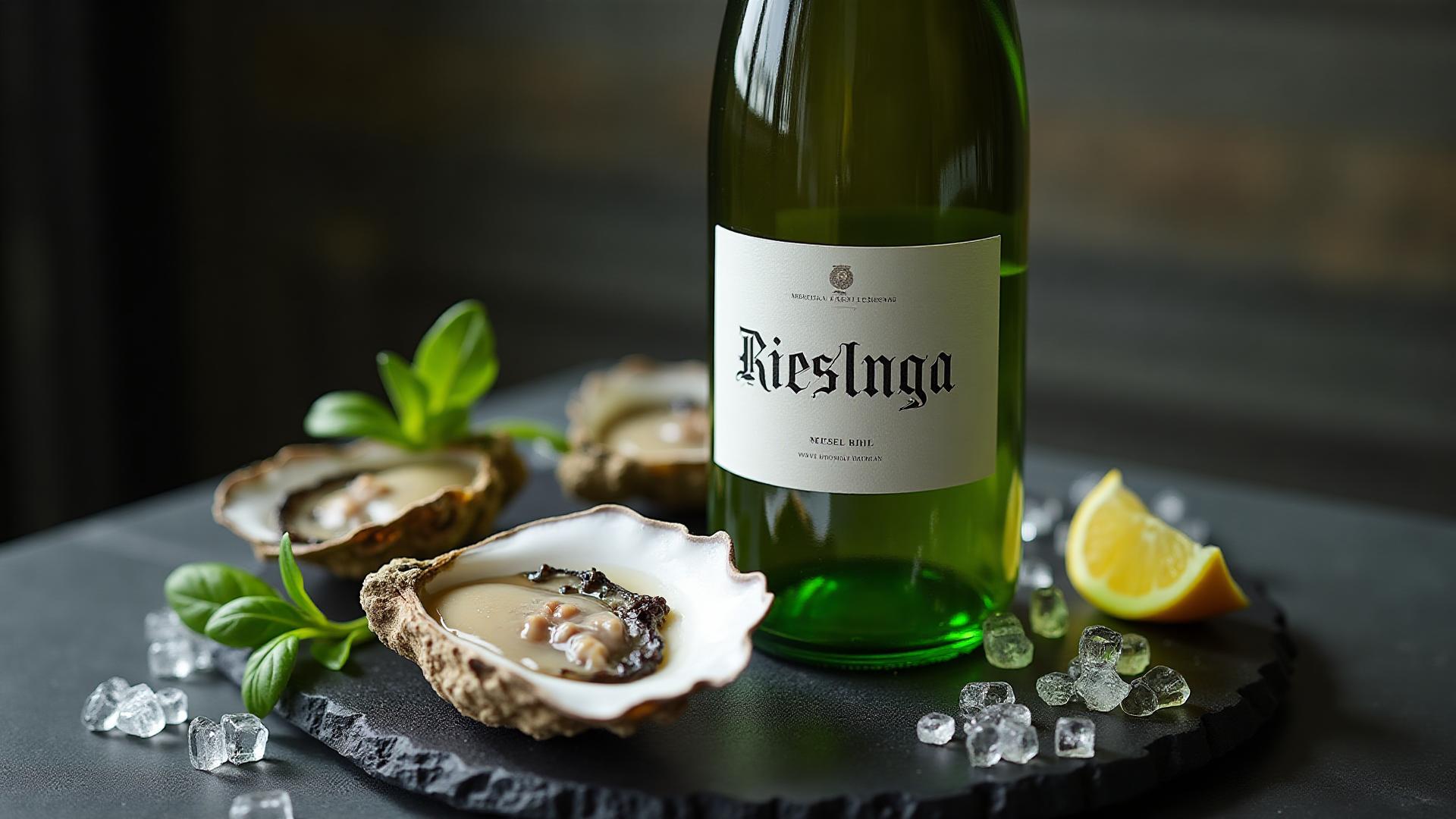
Late Harvest Riesling 2023
German or Alsatian sweet Riesling with apricot, honey, and bright acidity. Versatile dessert companion.
What Makes Dessert Wines Special
Dessert wines achieve sweetness through noble rot (Sauternes, Tokaji), frozen grapes (Icewine), or fortification (Port). Botrytis cinerea concentrates sugars while adding honeyed complexity. Icewines offer laser-sharp acidity balancing intense sweetness—grapes freeze on the vine at -8°C, producing nectar-like juice. Vintage Port adds brandy during fermentation, preserving grape sweetness and creating warming alcohol. These wines feature high residual sugar (80-200+ g/L) balanced by acidity, preventing cloying sweetness. Small serving sizes (2-3 oz) concentrate the experience. Dessert wines can age decades, developing caramel, toffee, and dried fruit notes over time.
Food Pairing Suggestions
Dessert wines pair by matching or contrasting sweetness. Sauternes complements foie gras, crème brûlée, and fruit tarts—the wine's acidity cuts richness. Tokaji pairs with blue cheese, apricot desserts, and nut-based pastries. Icewine enhances fresh berries, cheesecake, and crème caramel. Moscato d'Asti works with fruit salads and light sorbets. Vintage Port is the ultimate blue cheese companion, plus dark chocolate and walnut tart. Vin Santo demands biscotti for dunking—an Italian tradition. The key is avoiding desserts sweeter than the wine; chocolate should be bittersweet (70%+ cacao) to prevent clashing.
Buying & Serving Tips
Serve dessert wines well-chilled (45-50°F for Sauternes/Icewine, 60-65°F for Port) to balance sweetness. Pour small servings (2-3 oz) in appropriate glassware—smaller bowls concentrate aromatics. Half bottles (375ml) are perfect for dessert courses; full bottles overwhelm. Budget $25-60 for quality examples; top Sauternes and aged Port cost $100-300+. Opened bottles last 1-2 weeks refrigerated due to high sugar and alcohol acting as preservatives. Look for vintages with noble rot years (warm, humid autumns) for Sauternes. Icewines should be recent vintages (2020-2023) for optimal freshness. Store horizontally in cool, dark conditions.