The Story Behind the Plate
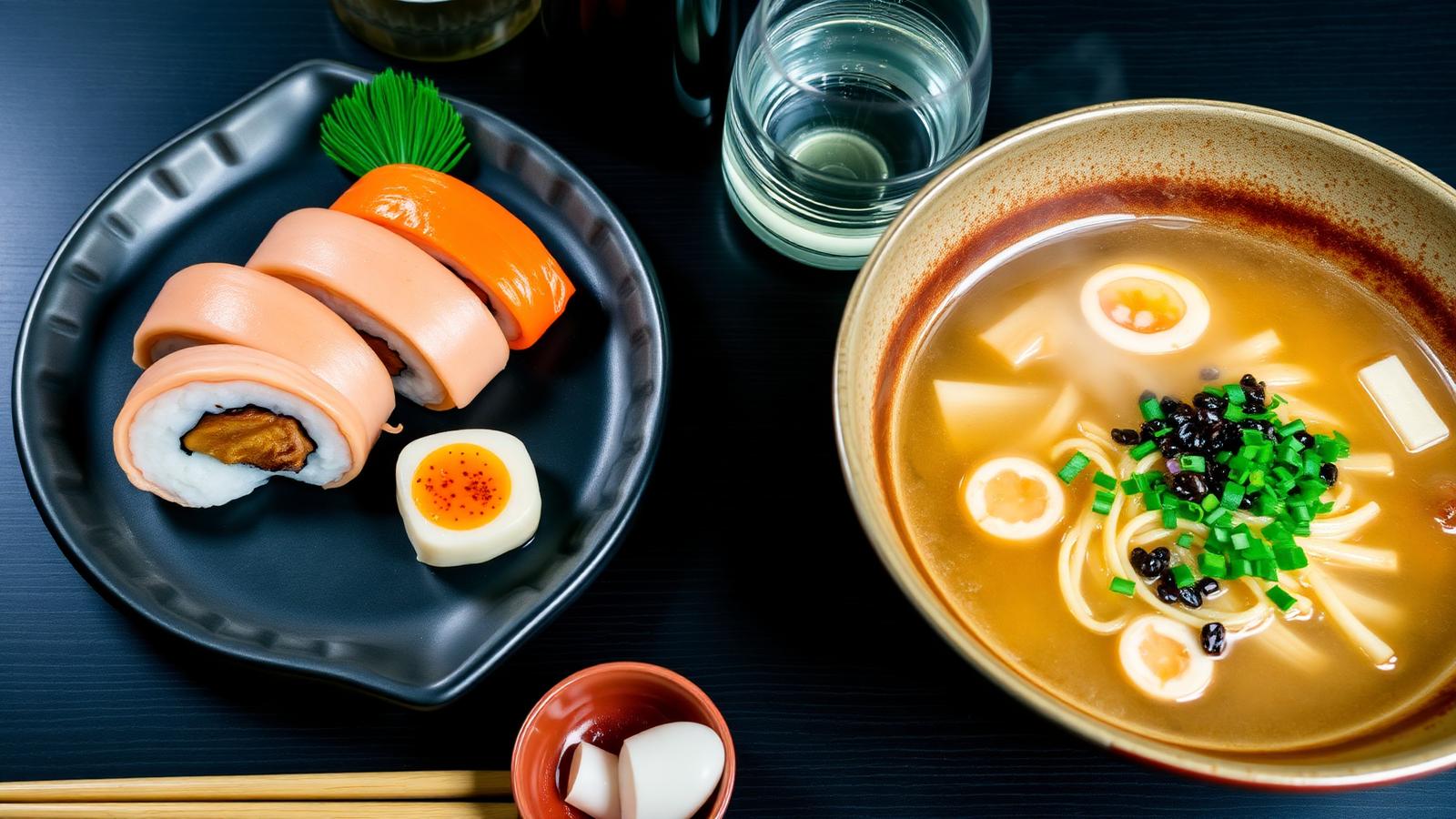
Japanese cooking is the world's most carefully composed cuisine, with seasons, textures and umami built into every dish. Edomae sushi from Tokyo, kaiseki tasting menus from Kyoto, izakaya yakitori from any neighborhood, and the deep bowl of tonkotsu ramen all carry traditions of precision and respect for ingredients. Japanese wine is a relatively new global category but has earned international respect in the past decade, with Koshu, the country's native white grape, leading the way. Grown in Yamanashi prefecture at the foot of Mount Fuji, Koshu produces delicate, lemony, low-alcohol whites that pair with sushi better than any imported wine could.
Why These Pairings Work
Japanese food pairs best with wines that respect rather than dominate. Koshu from Yamanashi is the most natural choice for sushi, with its citrus character and 11 percent alcohol staying perfectly out of the way of the fish. For yakitori and izakaya snacks, a Pinot Noir from Burgundy or a Beaujolais Cru offers the fruit and acidity to handle tare sauce without overwhelming the chicken. For tonkotsu and miso ramen, an off-dry Riesling Spatlese or a German Pinot Noir provides the gentle fruit sweetness that meets the rich pork broth. For sukiyaki and shabu-shabu, a slightly chilled Pinot Noir is the classic pairing. Skip oaked Chardonnay and heavy reds with Japanese food. The cuisine prizes delicacy, and the wine should follow.
The Match-Day Ritual
A Japanese watch party tends to be quieter and more curated than its Western counterparts, often resembling an izakaya at home. The opening round usually includes edamame, gyoza, karaage fried chicken and a few pieces of sashimi, paired with a chilled bottle of Koshu or a glass of dry sake. The main course at halftime might be sushi rolls, a one-pot nabe or a steaming bowl of ramen, with the wine adjusting accordingly: Koshu for sushi, Pinot Noir for ramen and nabe. Dessert is small and often skipped in favor of a cold matcha or a small cup of hojicha roasted green tea. The match itself is watched closely, with conversation paused for important moments.
Region Spotlight
Yamanashi prefecture, two hours west of Tokyo at the base of Mount Fuji, is the spiritual home of Japanese wine. Volcanic and alluvial soils, hot summer days and cool autumn nights produce ideal conditions for Koshu, the indigenous pink-skinned grape that has been grown in Japan for over a thousand years. Producers like Grace Wine, Chateau Mercian and Lumiere set the global benchmark for what Koshu can be. Nagano prefecture has emerged as Japan's most exciting region for European varieties, with Chardonnay and Pinot Noir from producers like Coco Farm and Chateau Mercian's Hosaka vineyard competing with serious Burgundy on quality. Hokkaido in the north is the newest frontier, with cool-climate Pinot Noir and Kerner showing real promise.
Chill your Koshu slightly warmer than you might instinctively serve, around 10 degrees Celsius rather than full fridge cold. The slightly warmer pour brings out the gentle white-flower and citrus pith aromatics that distinguish good Koshu from generic Japanese whites, and the warmth flatters the rice in sushi rather than fighting it.