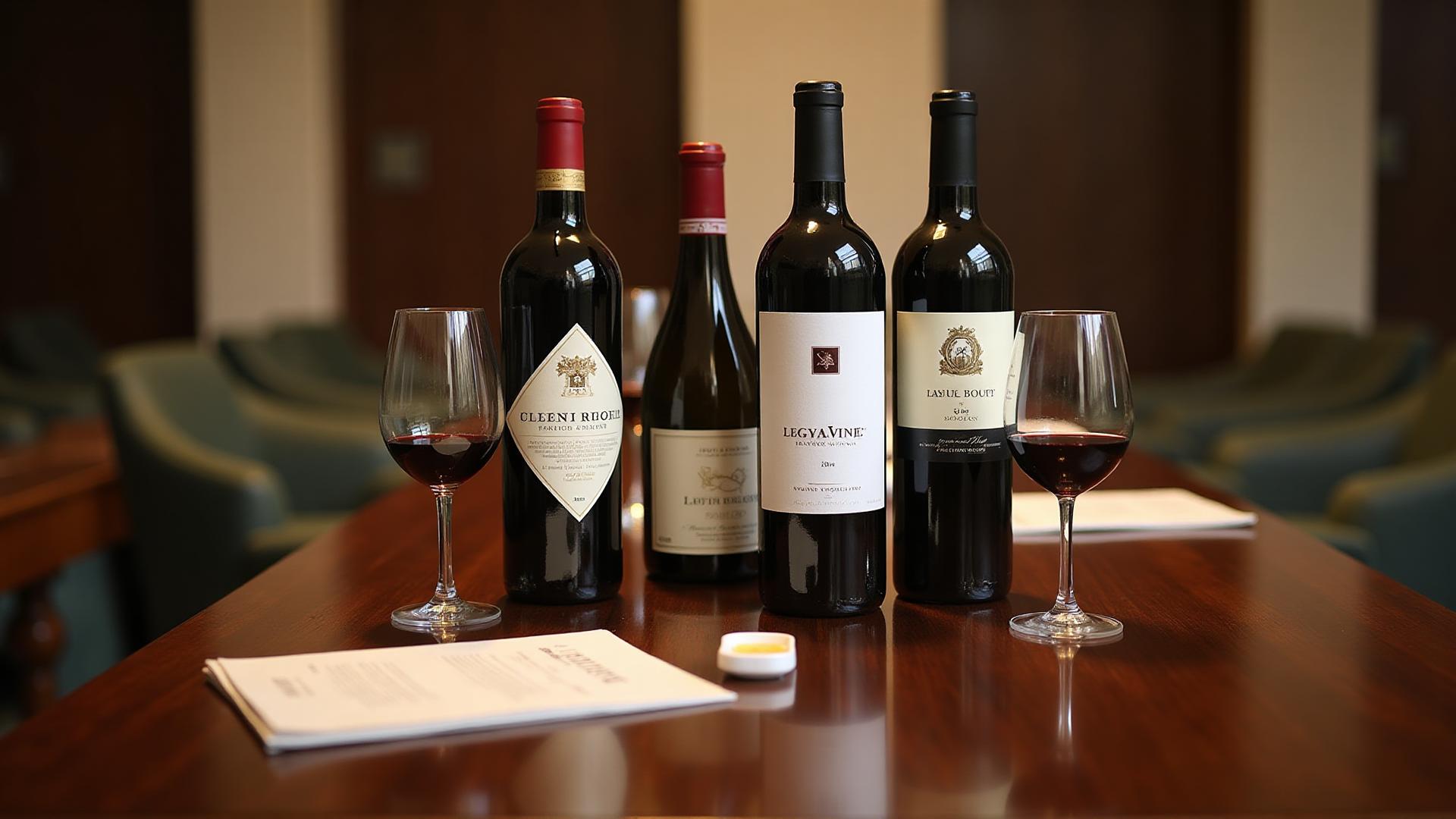
Inexpensive Wines, Rich Tastes: Hidden Gems Under $25
Great wine doesn't require a trust fund. While Bordeaux Grand Crus and Napa Cult Cabs command $200-500 per bottle, some of the world's most delicious, terroir-driven wines cost less than a large pizza. The secret? Look beyond famous regions, embrace underdog varietals, and trust your palate over marketing hype.
Quick Value Wine Picks Under $25:
- Portugal Vinho Verde ($12) - Crisp, citrusy, perfect for seafood
- Sicily Nero d'Avola ($15) - Bold red, cherry & spice
- Languedoc GSM Blend ($18) - Rhône quality, half the price
- Greek Assyrtiko ($22) - Mineral white, world-class terroir
- Argentine Malbec ($16) - Ripe fruit, smooth tannins
What Makes a Wine "Good Value"?
Value isn't just about low price—it's about Quality-to-Price Ratio (QPR). A $10 wine that tastes like $20 is great value. A $50 wine that tastes like $30 is terrible value (even if it's objectively good).
What Drives High Prices:
- • Famous region (Bordeaux, Burgundy, Napa)
- • Limited production (cult wines)
- • Brand prestige (DRC, Screaming Eagle)
- • Critics' hype (100-point scores)
- • Heavy oak aging (expensive barrels)
- • Marketing budget (glossy ads, cellar doors)
What Drives Value:
- • Underappreciated regions (Portugal, Greece)
- • High production volume (efficiency)
- • No brand markup (family wineries)
- • Undiscovered varietals (Nero d'Avola, Assyrtiko)
- • Minimal oak or stainless steel (cheaper)
- • Word-of-mouth marketing (no ads)
What Makes QPR Great:
- ✓ Expressive terroir (not manipulation)
- ✓ Balance (acidity, tannins, fruit)
- ✓ Food-friendliness (not a fruit bomb)
- ✓ Consistency (same quality year after year)
- ✓ Complexity (layers of flavor)
- ✓ Aging potential (bonus, but not required)
Portugal: Europe's Best-Kept Value Secret
Vinho Verde ($10-14)
Region: Minho, Northwest Portugal
Grapes: Alvarinho, Loureiro, Trajadura
Style: Light, crisp, slightly effervescent white
ABV: 9-11% (low alcohol, high drinkability)
Vinho Verde means "green wine"—not the color, but the youth. It's meant to be drunk young, fresh, and cold. Think lime zest, green apple, sea spray, and a touch of spritz. Perfect for hot summer days, seafood, or just afternoon sipping.
Food pairings: Grilled shrimp, ceviche, oysters, sushi, green salads, goat cheese
Top producers: Quinta da Aveleda ($12), Broadbent ($10), Casal Garcia ($9)
Douro Red ($16-22)
Region: Douro Valley (same as Port wine)
Grapes: Touriga Nacional, Touriga Franca, Tinta Roriz
Style: Full-bodied, structured, dark fruit
Aging potential: 5-10 years (serious wines)
The Douro is famous for Port, but the table wines (non-fortified reds) are criminally underpriced. These wines rival Bordeaux and Rhône in complexity but cost 1/3 the price. Expect black cherry, violet, graphite, and grippy tannins.
Food pairings: Grilled ribeye, lamb chops, beef stew, aged Manchego cheese
Top producers: Quinta do Crasto ($20), Chryseia ($22), Duas Quintas ($18)
Sicily: Italy's Value Powerhouse
Nero d'Avola ($13-18)
Region: Sicily (especially Vittoria, Noto)
Grape: Nero d'Avola (Sicily's signature red)
Style: Medium-bodied, cherry, spice, Mediterranean herbs
Think: "Syrah meets Sangiovese"
Nero d'Avola translates to "Black of Avola"—a nod to the grape's dark skin and inky color. It's Sicily's answer to Syrah: spicy, savory, with bright acidity and soft tannins. Unlike overripe California reds, Nero d'Avola stays fresh and food-friendly.
Food pairings: Pasta with tomato sauce, eggplant parmigiana, grilled sausages, pizza margherita
Top producers: Cusumano ($15), Planeta ($18), Feudo Arancio ($13)
Grillo ($12-16)
Region: Western Sicily (Trapani, Marsala)
Grape: Grillo (indigenous white)
Style: Tropical fruit, lemon, almond, saline finish
Think: "Affordable Chablis meets Vermentino"
Grillo was originally used for Marsala fortified wine, but modern winemakers realized its potential as a dry white. It's rich yet fresh, with citrus peel, white peach, and a distinctive almond note. The best versions have a salty minerality from proximity to the sea.
Food pairings: Grilled fish, calamari, Caesar salad, risotto with seafood
Top producers: Cusumano Shamaris ($14), Feudo Montoni ($16), Baglio di Pianetto ($15)
Languedoc, France: Quality Without the Markup
Region: Languedoc-Roussillon (South of France)
Grapes: Grenache, Syrah, Mourvèdre (GSM blends)
Style: Rhône-style reds without Châteauneuf-du-Pape prices
Price range: $14-22 (vs. $40-100 in Rhône)
Languedoc is France's largest wine region but historically made cheap bulk wine. In the 1990s, quality-focused producers started planting Rhône varietals and applying Châteauneuf techniques—but without the brand markup. The result? Stunning reds for half the price.
What to expect: Ripe red fruit (raspberry, cherry), garrigue (herbs de Provence), pepper, leather, soft tannins. Food-friendly, age-worthy, delicious.
Food pairings: Herb-roasted lamb, ratatouille, beef bourguignon, grilled vegetables
Top producers: Mas de Daumas Gassac ($22), Château de Lascaux ($18), Gérard Bertrand ($16)
Washington State: Napa Quality, Half the Price
Region: Columbia Valley, Walla Walla
Grapes: Cabernet Sauvignon, Merlot, Syrah
Style: Ripe fruit, structured tannins, long finish
The secret: Same quality as Napa but 1/3 the price
Washington State is America's second-largest wine producer (after California) but flies under the radar. Columbia Valley Cabernet Sauvignon rivals Napa at $20-30 instead of $60-120. Why? No brand prestige (yet), lower land costs, and winemakers focused on quality over hype.
What to expect: Blackcurrant, dark chocolate, cedar, firm tannins. These wines age beautifully for 10+ years.
Food pairings: Grilled steak, braised short ribs, aged cheddar, mushroom risotto
Top producers: Chateau Ste. Michelle ($18), Columbia Crest Grand Estates ($12), 14 Hands ($14)
Argentina: Malbec's Home, Budget's Friend
Region: Mendoza (especially Luján de Cuyo, Uco Valley)
Grape: Malbec
Style: Ripe plum, violet, velvety tannins
Best value wines on Earth: $14-20 for exceptional quality
Malbec originated in France (Cahors) but found its true home in Argentina's high-altitude vineyards. The result? Riper fruit than France, softer tannins than Cabernet, and prices that make you double-check the label. A $16 Argentine Malbec often rivals a $40 California Cabernet.
What to expect: Blackberry, plum jam, cocoa, leather. Smooth, approachable, crowd-pleasing.
Food pairings: Grilled beef (asado), empanadas, chimichurri sauce, barbecue ribs
Top producers: Catena Zapata ($18), Alamos ($12), Bodega Norton ($14), Trapiche Broquel ($16)
Greece: Ancient Terroir, Modern Prices
Region: Santorini
Grape: Assyrtiko
Style: Bone-dry white, citrus, volcanic minerality, razor-sharp acidity
The deal: World-class terroir for $20-25 (vs. $60-100 in Burgundy)
Assyrtiko from Santorini is one of the world's finest white wines—and one of its best values. Vines grow in volcanic ash, producing wines with electric acidity, saline minerality, and lemon-lime intensity. It's like Chablis meets Riesling, but uniquely Greek.
What to expect: Lime zest, oyster shell, flint, sea breeze. Ages 10+ years.
Food pairings: Grilled octopus, Greek salad, feta cheese, fresh seafood, ceviche
Top producers: Sigalas ($22), Hatzidakis ($24), Argyros ($20), Gavalas ($18)
How to Find Value Wines Like a Pro
7 Rules for Spotting Hidden Gems:
- 1
Avoid famous regions (unless on sale)
Bordeaux, Burgundy, Napa = inflated prices. Try Languedoc, Douro, Washington State instead.
- 2
Seek out indigenous varietals
Assyrtiko, Nero d'Avola, Touriga Nacional cost less than Chardonnay/Cabernet.
- 3
Shop at independent wine stores
Staff know hidden gems. Ask: "What's your best QPR under $20?"
- 4
Trust your palate, not critics
A 90-point wine you hate is worse than an 85-point wine you love.
- 5
Buy by the case (10-15% discount)
Most wine shops offer case discounts. Stock up on favorites.
- 6
Explore "second label" wines
Prestigious producers often make affordable second labels (e.g., Carruades de Lafite).
- 7
Use our iQ sommelier for budget pairings
Set your budget, input your meal, get instant value wine recommendations.
Get Budget Wine Recommendations from iQ
iQ-Enhanced Value Wine Pairings
Set your budget (under $15, $15-25, $25-40) and let our iQ sommelier recommend the best value wines for your specific meal. We understand QPR, regional pricing, and hidden gems that punch above their weight.
The Bottom Line
Great wine is about terroir, balance, and joy—not price tags. A $15 Portuguese Vinho Verde on a hot summer day can bring more pleasure than a $200 Bordeaux drunk out of obligation.
The wine world's dirty secret? Most wines over $50 are marked up for prestige, not quality. The sweet spot for QPR is $12-25: high enough for quality grapes and winemaking, low enough to avoid branding markup.
So next time you're shopping, skip the Napa Cab and grab a Greek Assyrtiko. Skip the Burgundy Chardonnay and pour a Sicilian Grillo. Your palate—and your wallet—will thank you.
The WINEVERSEiQ™ Editorial Team includes certified wine buyers and tasters who specialize in discovering exceptional value wines. Our mission is to prove that great wine experiences are accessible at every price point.