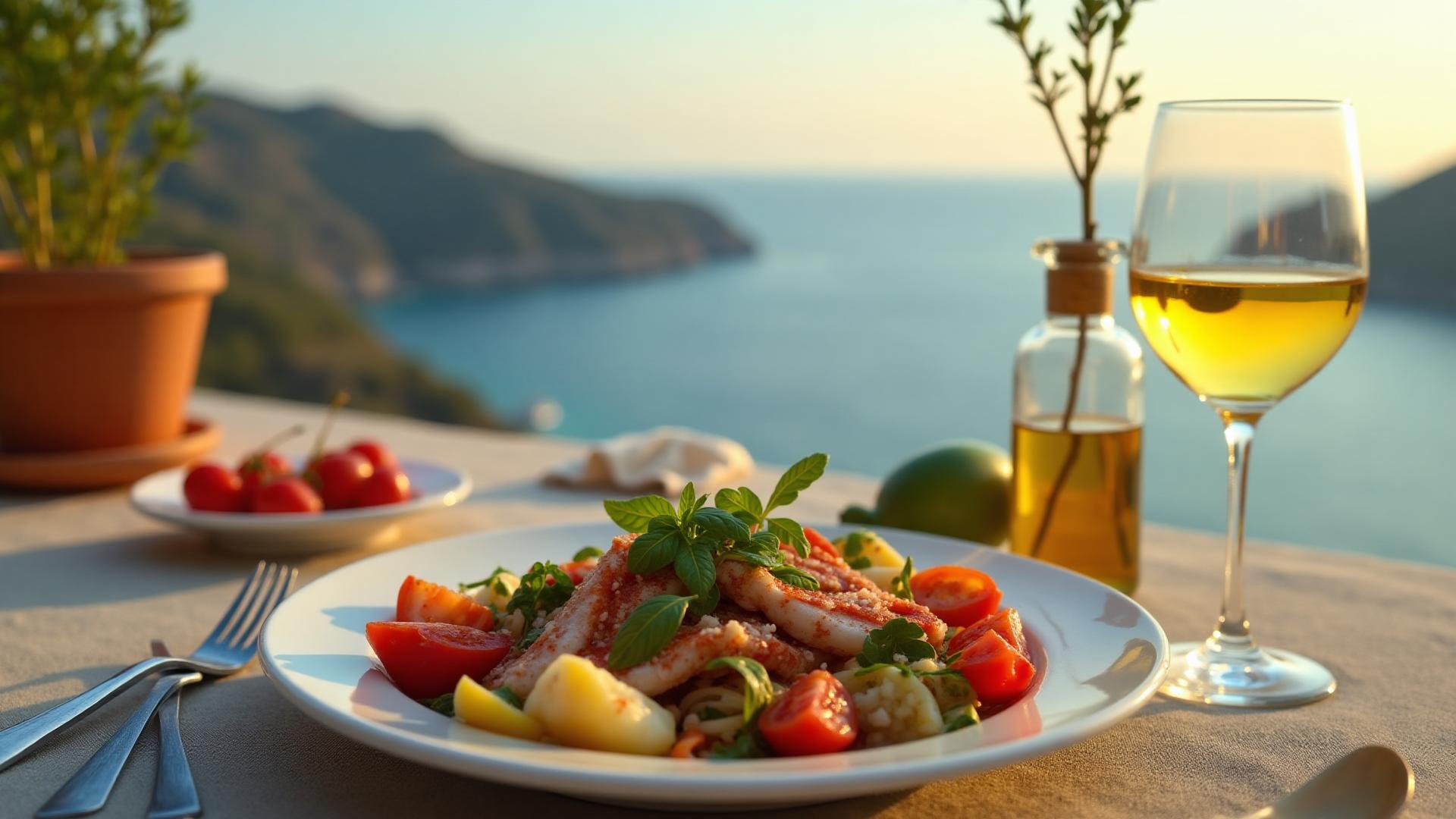
Mediterranean Diet & Wine: Blue Zones Longevity
In the sun-drenched islands of Ikaria, Greece, and the rugged hills of Sardinia, Italy, people routinely live past 100—often with wine glass in hand. These Blue Zones, where longevity defies modern expectations, share a common thread: moderate daily wine consumption paired with fresh, whole foods. But is wine truly the elixir of life, or is something deeper at play?
Quick Wine Pairings for Mediterranean Meals:
Greek Assyrtiko with grilled fish and salad
Italian Verdicchio with pasta primavera
Fino Sherry with cold gazpacho
Provence Rosé with ratatouille
The Blue Zones Phenomenon
National Geographic Fellow Dan Buettner identified five Blue Zones—regions where people live measurably longer than the global average. Three are Mediterranean: Ikaria (Greece), Sardinia (Italy), and to a lesser extent, the coastal villages of Nicoya Peninsula (Costa Rica). In Ikaria, one in three people reaches 90 years old. In Sardinia's mountain villages, men live as long as women—a global rarity.
The common denominator? A diet rich in vegetables, legumes, whole grains, olive oil, fish—and moderate wine consumption. Unlike binge drinking cultures, Mediterranean centenarians drink 1-2 glasses daily, almost always with food, often homemade wine shared with family.
The Science of Moderate Wine Consumption
The Harvard T.H. Chan School of Public Health's 30-year Nurses' Health Study tracked 120,000 participants and found that moderate drinkers (1-2 glasses daily) had 25-30% lower risk of heart disease compared to abstainers and heavy drinkers. The J-curve was clear: no alcohol = baseline risk, moderate drinking = reduced risk, heavy drinking = elevated risk.
Resveratrol, a polyphenol in red wine (especially Pinot Noir and Malbec), activates sirtuins—proteins linked to cellular longevity. Studies show resveratrol improves mitochondrial function, reduces inflammation, and may extend lifespan in animal models. But here's the catch: you'd need to drink 100 bottles daily to match the doses used in rodent studies.
So is resveratrol the magic bullet? Probably not alone. The real power lies in the Mediterranean lifestyle matrix: wine as food, not intoxication; social meals lasting hours; daily physical activity (walking, gardening); strong community bonds; afternoon naps; and low stress. Wine is one thread in a rich tapestry.
Wine as Sustenance, Not Escape
In Blue Zones, wine serves a fundamentally different purpose than in modern Western culture. There's no "wine o'clock" stress relief. No solo drinking. No pregaming before going out. Instead:
- Always with food: Wine accompanies lunch and dinner, never on an empty stomach
- Social drinking: Shared at family meals, celebrations, religious ceremonies
- Homemade & local: Sardinians drink Cannonau (Grenache), often from family vineyards
- Moderation is cultural: Intoxication is shameful, not celebrated
- Quality over quantity: Small pours, savored slowly over conversation
This cultural context matters enormously. When Italian researchers compared Sardinian wine drinkers to Scottish whisky drinkers (same alcohol volume), the Sardinians lived longer. The difference? Meal patterns, beverage type, and social integration.
Mediterranean Wine Pairings for Longevity
Greek Classics
Assyrtiko (Santorini)
Crisp, mineral-driven white with lemon and sea salt. Perfect with:
- Grilled octopus with olive oil
- Greek salad (tomato, cucumber, feta)
- Whole roasted fish with lemon
Xinomavro (Naoussa)
Structured red with tomato leaf, olive, and earth. Pairs with:
- Lamb stew with eggplant (moussaka)
- Stuffed grape leaves (dolmades)
- Aged sheep's milk cheese
Italian Staples
Verdicchio (Marche)
Almond-scented white with bright acidity. Ideal for:
- Pasta primavera (spring vegetables)
- Risotto with asparagus and lemon
- White bean soup with rosemary
Cannonau (Sardinia)
Red fruit, herbs, and spice. The wine of Sardinian centenarians:
- Roasted lamb with rosemary
- Pecorino cheese and walnuts
- Fava bean stew with pancetta
Spanish & French Pairings
Fino Sherry (Spain)
Bone-dry, nutty, and bracingly cold. Andalusian tradition:
- Gazpacho (cold tomato soup)
- Marcona almonds and olives
- Fried seafood (pescaíto frito)
Provence Rosé (France)
Pale pink, refreshing, herbaceous. Summer essential:
- Ratatouille (Provençal vegetable stew)
- Bouillabaisse (fish stew)
- Grilled vegetables with aioli
The French Paradox Explained
In the 1990s, scientists were baffled: the French consumed butter, cream, pâté, and cheese—yet had 40% lower heart disease rates than Americans. The answer? The French Paradox wasn't just about red wine's antioxidants. It was about:
- Meal structure: Three-course lunches lasting 90+ minutes, not desk eating
- Portion control: Small servings, eaten slowly, with conversation
- Walking culture: Daily errands on foot, not by car
- Social support: Strong family/friend networks reduce cortisol (stress hormone)
- Wine's role: 1-2 glasses daily, primarily red, with meals
When researchers compared French wine drinkers to American wine drinkers (same volume), the French still lived longer. The lifestyle, not just the wine, mattered.
Practical Guidelines for Health-Conscious Wine Lovers
Dr. Papadopoulos' Longevity Rules:
- Never drink on an empty stomach. Wine is food, not a drug. Always pair with meals.
- Limit to 1-2 glasses daily. Men: 10oz (2 glasses). Women: 5oz (1 glass). More isn't better.
- Choose red when possible. Higher polyphenol content, especially in Cannonau, Pinot Noir, Malbec.
- Drink socially, not solo. Isolation is deadlier than moderate alcohol. Share meals with loved ones.
- Take 2 alcohol-free days per week. Liver needs rest. Blue Zone centenarians often skip drinking when alone.
- Prioritize Mediterranean varietals. Assyrtiko, Verdicchio, Cannonau evolved alongside the diet.
- Avoid binge drinking entirely. One bottle in one sitting negates any health benefits.
- Pair wine with vegetables, fish, legumes. Not with processed foods or excessive red meat.
Beyond Wine: The Complete Mediterranean Picture
Wine alone won't grant you a century of life. The Mediterranean diet is a holistic lifestyle:
- Plant-forward eating: 80% of calories from vegetables, fruits, whole grains, legumes
- Healthy fats: Olive oil as primary fat source (not butter), nuts, avocados
- Fish over red meat: 2-3 servings of fish per week, red meat monthly
- Minimal processed foods: Cook from scratch, avoid ultra-processed items
- Daily movement: Walking, gardening, dancing—not gym workouts
- Stress management: Afternoon siestas, meditation, strong social bonds
- Purpose & meaning: Blue Zone residents have "ikigai" (reason for being)
Wine is the companion, not the cornerstone. It enhances meals, facilitates connection, and yes, may offer cardiovascular benefits—but only within this broader lifestyle framework.
Try Mediterranean Pairings with AI Guidance
Get Personalized Mediterranean Wine Pairings
Our iQ sommelier understands Mediterranean cuisine's nuances—from Greek meze to Italian pasta to Spanish tapas. Get instant pairing recommendations tailored to your specific dish, dietary needs, and budget.
The Bottom Line
Moderate wine consumption—1-2 glasses daily, with food, in social settings—is correlated with longevity in Mediterranean Blue Zones. But it's not the wine alone. It's the olive oil drizzled on fresh tomatoes. The afternoon walk to the market. The three-hour Sunday lunch with extended family. The afternoon nap. The sense of purpose and community.
Wine is the thread that weaves through this tapestry of healthy living. It slows down meals, encourages conversation, and yes, may offer cardiovascular benefits through polyphenols and moderate alcohol's effect on HDL cholesterol.
So raise a glass—just one, with dinner, surrounded by people you love, over food you cooked from scratch. That's the Mediterranean secret to living well, and living long.
The WINEVERSEiQ™ Editorial Team combines expertise from nutritional science, wine sommelier certification, and Mediterranean cuisine to bring you evidence-based wine and health guidance.