Holiday Pairings with Icewine: From Blue Cheese to Spiced Fruit Tarts
Turn your festive table into a sommelier-approved feast with Canada's liquid gold.
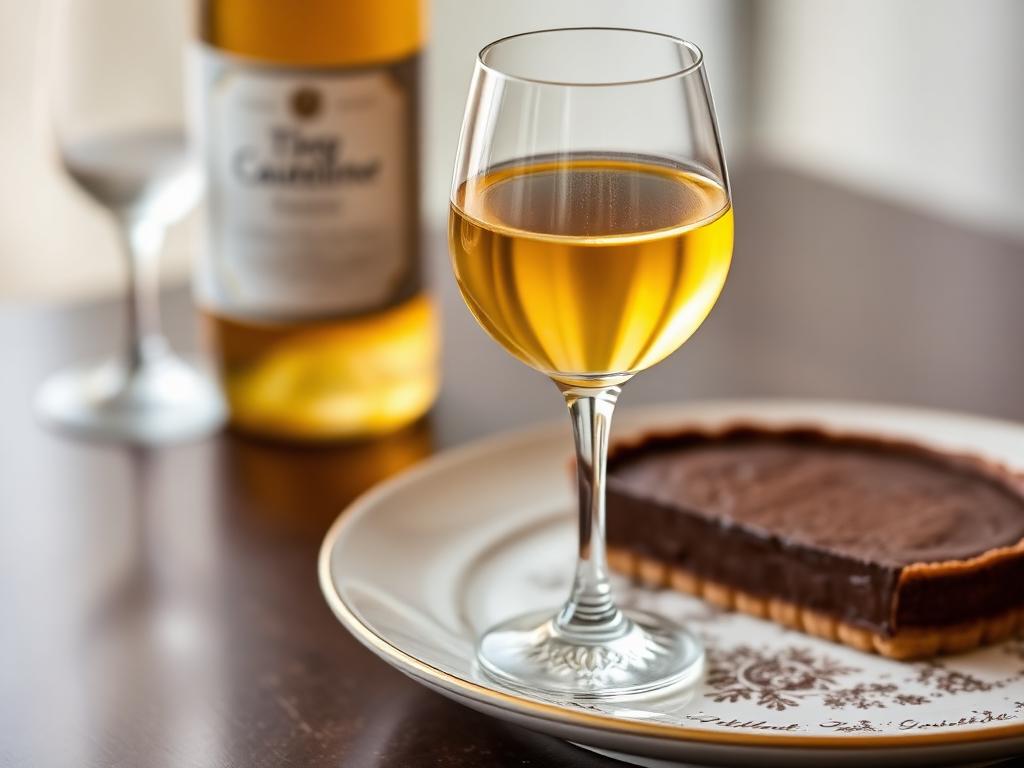
The holidays are a minefield for wine pairing. Between grandma's pecan pie, your uncle's experimental Brussels sprouts dish, and that cheese board that somehow grew to include seven varieties, how do you choose a wine that shines across the chaos?
Enter icewine: Canada's secret weapon for holiday entertaining. With its luscious sweetness and bright acidity, icewine can dance with flavors that stump even seasoned sommeliers. Here's how to deploy it like a pro.
The Blue Cheese Classic
Start with the most iconic pairing: icewine and blue cheese. The wine's sweetness tames the cheese's pungent funk, while its acidity cuts through the cream. Try Roquefort, Stilton, or Canada's own Dragon's Breath Blue. Drizzle honey on the cheese and add candied walnuts for textural contrast.
Pairing tip: Vidal icewine works beautifully here — its softer acidity complements creamier blues. For stronger, saltier blues like Roquefort, reach for Riesling icewine's sharper citrus backbone.
Foie Gras Terrine
If you're going full luxury for the holidays, foie gras demands icewine. The wine's sweetness mirrors the liver's richness, while acidity prevents palate fatigue. Serve chilled foie gras terrine with toasted brioche and fig jam. Each bite should be followed by a small sip — the wine resets your palate for the next luxurious mouthful.
Pairing tip: Gewürztraminer icewine adds floral notes (lychee, rose petal) that complement the terrine's earthy richness.
Spiced Holiday Desserts
Gingerbread, spiced apple cake, pumpkin pie with cinnamon whipped cream — these holiday staples love icewine. The wine's fruit-forward character (apricot, peach, honey) echoes the desserts' warming spices without competing. Plus, the acidity keeps things bright.
Pairing tip: Match intensity. Light gingerbread cookies? Go with a delicate Riesling icewine. Dense, molasses-heavy gingerbread cake? Reach for a richer Vidal.
Pecan and Fruit Tarts
Pecan pie, apple tart tatin, pear frangipane — icewine was made for buttery, fruit-based desserts. The wine's natural stone fruit flavors harmonize with baked apples and pears, while its sweetness plays off caramelized sugars in the pastry.
Pairing tip: If your tart has a citrus component (lemon curd, orange zest), choose Riesling icewine to echo those bright notes. For nut-heavy desserts like pecan pie, Vidal's softer profile won't overwhelm.
The Cheese Board Strategy
Holiday cheese boards are a sommelier's nightmare: too many flavors, too many textures. Icewine simplifies things. Here's your lineup:
- Hard aged cheeses (Parmigiano-Reggiano, aged Gouda) → The wine's sweetness highlights nutty, caramel notes in the cheese.
- Soft triple creams (Brie, Camembert) → Acidity cuts through fat; sweetness mirrors the cheese's buttery richness.
- Blue cheeses (Stilton, Gorgonzola) → The classic pairing for good reason.
- Fresh goat cheese → Add honey and figs; the wine's acidity plays off tangy chèvre.
Pairing tip: Serve icewine at 10-12°C (50-54°F) — cold enough to be refreshing, warm enough to express its aromatics.
Savory Holiday Dishes
Yes, icewine can handle savory courses. Glazed ham with honey-mustard? The wine mirrors the glaze's sweetness and balances the salt. Duck breast with cherry sauce? The wine's acidity cuts through fat, while its fruit notes complement the cherries.
For adventurous hosts, try icewine with seared foie gras over toast points as a first course. Or pair Cabernet Franc icewine (a rare red version) with dark chocolate and espresso — unconventional but stunning.
Serving Strategy
Icewine is rich and sweet; a little goes a long way. Serve in small portions — 2 oz per person is plenty. Use white wine glasses (not dessert wine stems), which concentrate aromatics without overwhelming the nose.
Chill the bottle to 10-12°C, but let it warm slightly in the glass. As it opens up, you'll notice more complexity: honey, dried apricot, candied citrus peel, sometimes a hint of caramelized sugar.
The Regional Advantage
Ontario's Niagara Peninsula is icewine's birthplace, producing lush, fruit-forward wines. BC's Okanagan Valley makes crisper, more mineral-driven versions. Quebec's Eastern Townships offer elegance and restraint. Each region brings its own character to your holiday table.
Pairing tip: Niagara Vidal for desserts and cheese, Okanagan Riesling for spiced dishes and foie gras, Quebec Vidal for a balanced middle ground.
The Grand Finale
End your holiday meal with a showstopper: icewine poured over vanilla ice cream with a drizzle of aged balsamic. The cold ice cream tempers the wine's sweetness, while the balsamic adds savory depth. It's elegant, unexpected, and ridiculously easy.
Or go classic: serve icewine alongside dark chocolate truffles dusted with sea salt. The salt amplifies the wine's fruit, the chocolate's bitterness balances sweetness, and your guests will remember this pairing long after the holidays end.
Buying Tips
Icewine isn't cheap — expect to pay $40-$80 for a 375ml bottle (half the size of regular wine). But given that you serve small pours, one bottle can handle 8-10 guests. Look for VQA (Vintners Quality Alliance) certification on Canadian bottles to ensure authenticity.
Store unopened bottles in a cool, dark place. Once opened, icewine lasts 2-3 weeks in the fridge thanks to its high sugar content. Use a vacuum pump to extend freshness.
Related Content
This holiday season, let icewine be your secret weapon. It's versatile, crowd-pleasing, and distinctly Canadian. Pour generously (but in small glasses), and watch your guests' faces light up as they discover why this frozen nectar is worth celebrating.