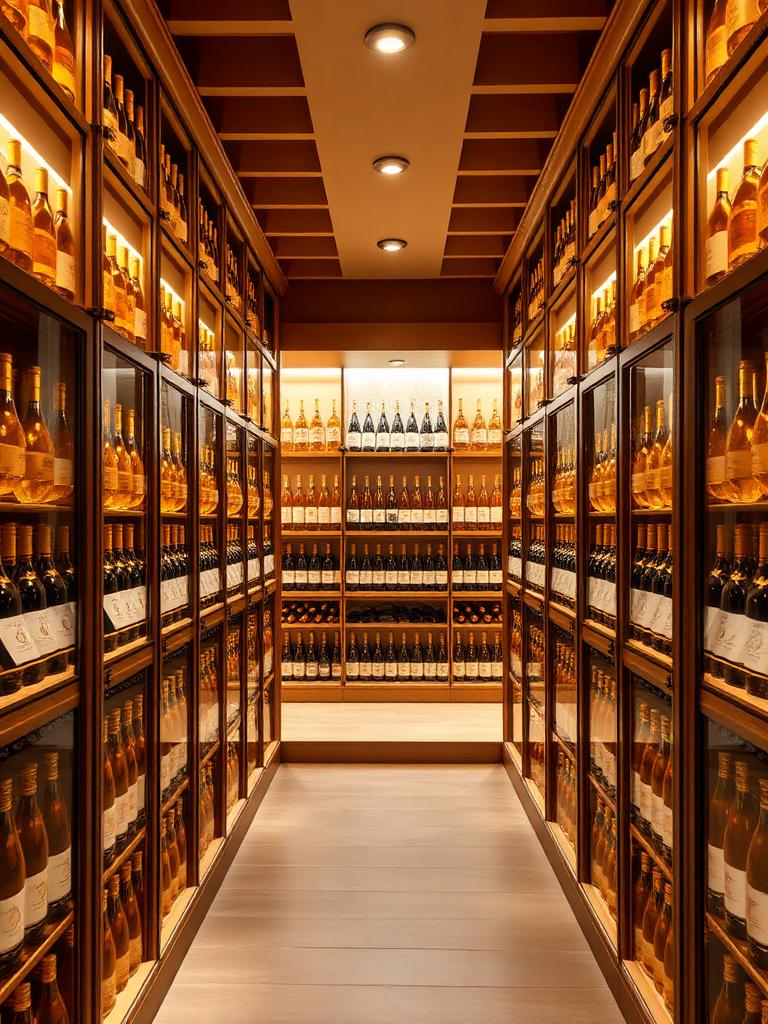
Canadian Ice Wines
Frozen grapes, liquid gold. Discover Canada's world-renowned icewines — harvested at -8°C for concentrated sweetness and bright acidity.
Canadian icewine is a natural treasure born from winter's deep freeze. Grapes are left on the vine until temperatures drop below -8°C (17°F), concentrating sugars and flavors into each precious berry. The result? Intensely sweet yet balanced wines with crystalline purity.
Three Regions
Ontario, BC, and Quebec produce world-class icewines
-8°C Harvest
Frozen grapes picked in the dead of winter
Liquid Gold
Concentrated sweetness balanced by vibrant acidity
Inniskillin Vidal Icewine
Luscious apricot, honey, and tropical fruit notes balanced by bright acidity. Canada's most iconic icewine producer.
Perfect With:
Jackson-Triggs Riesling Icewine
Crisp apple, peach, and citrus with crystalline purity. Elegant and refreshing finish.
Perfect With:
Peller Estates Cabernet Franc Icewine
Rare red icewine with notes of raspberry, cherry, and dark chocolate. Velvety and luxurious.
Perfect With:
Mission Hill Reserve Icewine
Concentrated peach, apricot, and honeyed sweetness. Long, elegant finish.
Perfect With:
Vignoble de l'Orpailleur Vidal Icewine
Eastern Canada's finest icewine with notes of candied citrus, honey, and tropical fruit.
Perfect With:
Pillitteri Estates Riesling Icewine
Pure, focused Riesling with lime, apricot, and mineral notes. Impeccable balance.
Perfect With:
Summerhill Pyramid Winery Icewine
Organic icewine with concentrated flavors of peach, honey, and vanilla. Silky texture.
Perfect With:
Reif Estate Vidal Icewine
Classic Ontario icewine with rich apricot, honey, and tropical fruit character.
Perfect With:
Quails' Gate Riesling Icewine
Elegant BC icewine with citrus, stone fruit, and floral notes. Refreshing acidity.
Perfect With:
What Makes Icewines Special
Icewines are produced by harvesting frozen grapes at -8°C (17°F) or colder, concentrating sugars, acids, and flavors naturally. The freezing process removes water as ice, leaving behind intensely sweet, viscous juice—yields are 10-20% of normal harvests. Canadian Vidal and German/Austrian Riesling Eiswein showcase laser-sharp acidity (pH 2.9-3.2) balancing 180-250 g/L residual sugar, preventing cloying sweetness. Handpicked at dawn during December-February, these wines require specific climate conditions—cold enough to freeze but not crack grapes. The result is liquid gold: honeyed tropical fruit, apricot, and citrus peel with electric acidity creating perfect harmony.
Food Pairing Suggestions
Icewines pair beautifully with foie gras—the wine's acidity cuts through richness while sweetness complements the liver's buttery texture. Blue cheeses like Roquefort and Stilton create classic pairings; salt and tang balance sweetness. Fresh fruit desserts (berry tarts, poached pears) harmonize with tropical fruit notes. Crème brûlée, panna cotta, and white chocolate desserts match the wine's lush texture. Spicy Asian cuisine works surprisingly well—Thai curries, Peking duck—where sweetness tempers heat. Serve as dessert itself with light biscotti or shortbread. The key is avoiding desserts sweeter than the wine; let the icewine be the star.
Buying & Serving Tips
Serve icewines well-chilled at 43-45°F to balance sweetness and enhance acidity. Pour 1.5-2 oz servings in small dessert wine glasses—the intensity demands restraint. Half bottles (375ml) are standard and perfect for 8-10 servings. Budget $40-70 for quality Canadian Vidal, $80-150+ for German Eiswein. Buy recent vintages (2020-2024) for optimal freshness; icewines don't improve significantly with age. Store upright in refrigerator after opening; high acidity and sugar preserve wine for 2-3 weeks. Look for VQA (Vintners Quality Alliance) certification in Canada and official Eiswein designation in Germany to ensure authentic production methods. Avoid "ice wine" without certification—may be artificially frozen.