Wine Across the British Isles: England, Wales, Scotland & Ireland
English sparkling on chalk, cool-climate Welsh vineyards, the right glass for Scottish haggis, and what to pour with Irish oysters and stew.
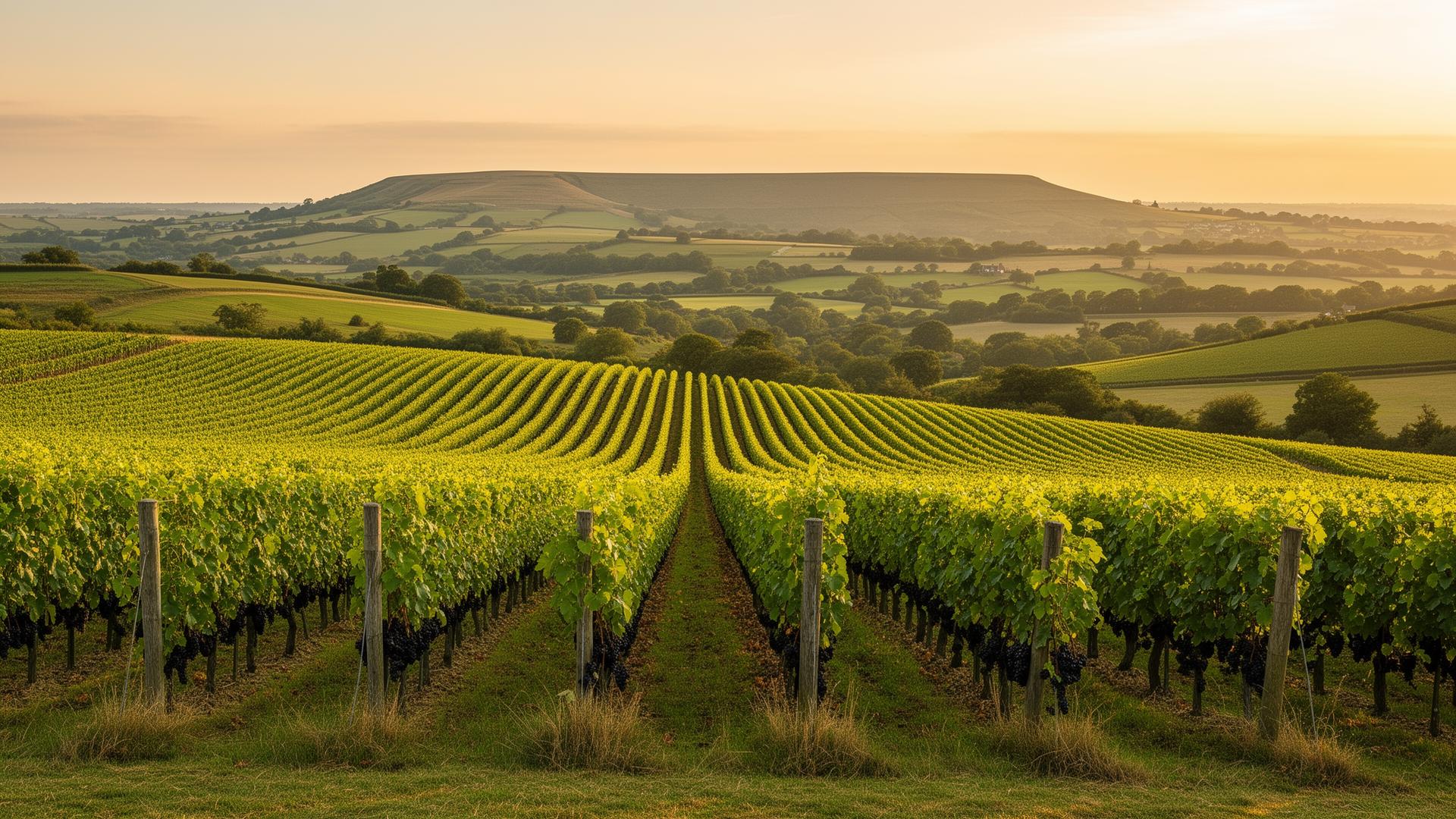
The British Isles were never supposed to make wine. A century ago the idea was a punchline. Today, English sparkling beats Champagne in blind tastings, Welsh hillsides grow Pinot Noir, and Irish farmers are planting cool-climate vines. Scotland still imports almost everything — but the food there is built for wine if you know what to pour.
England: Sparkling on Chalk
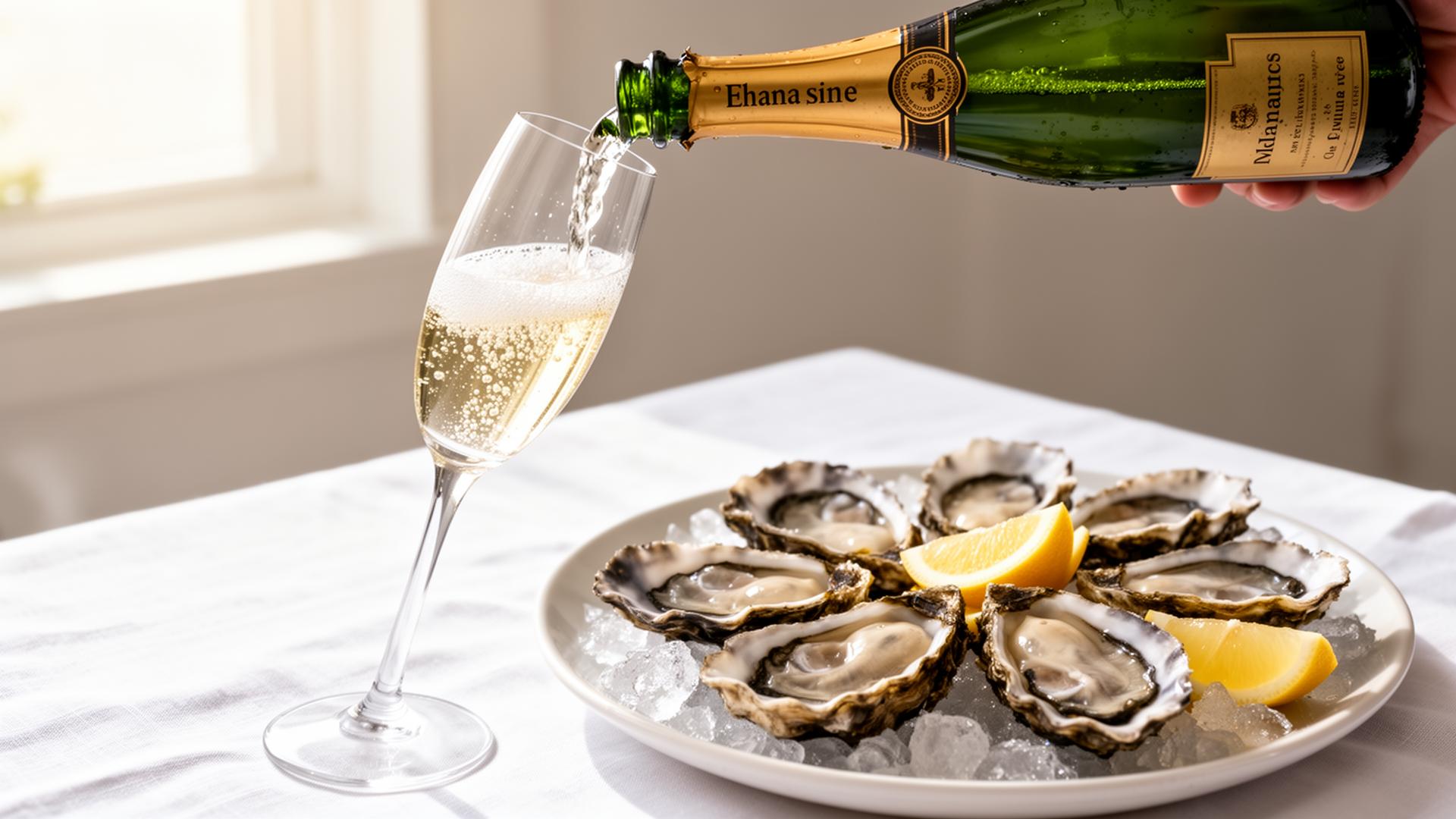
The chalk that runs under the Champagne region of France continues under the English Channel and surfaces again in Sussex and Kent. English vineyards on those soils make traditional-method sparkling that is leaner, more acid-driven, and increasingly competitive with the French original.
- Nyetimber (West Sussex): The pioneer. Classic Cuvée and Tillington Single Vineyard.
- Chapel Down (Kent): Kit's Coty range is the prestige tier.
- Gusbourne (Kent): Brut Reserve and Blanc de Blancs.
- Hambledon (Hampshire): Classic Cuvée from England's oldest commercial vineyard.
- Hattingley Valley (Hampshire): The Classic Reserve is exceptional value.
Beyond bubbles, English still wines are improving fast. Bacchus is the country's signature white grape — aromatic, dry, somewhere between Sauvignon Blanc and Grüner Veltliner. Hampshire and West Sussex Pinot Noir is increasingly serious; Bolney Estate and Danbury Ridge are names to track.
Wales: Cool-Climate Hillsides
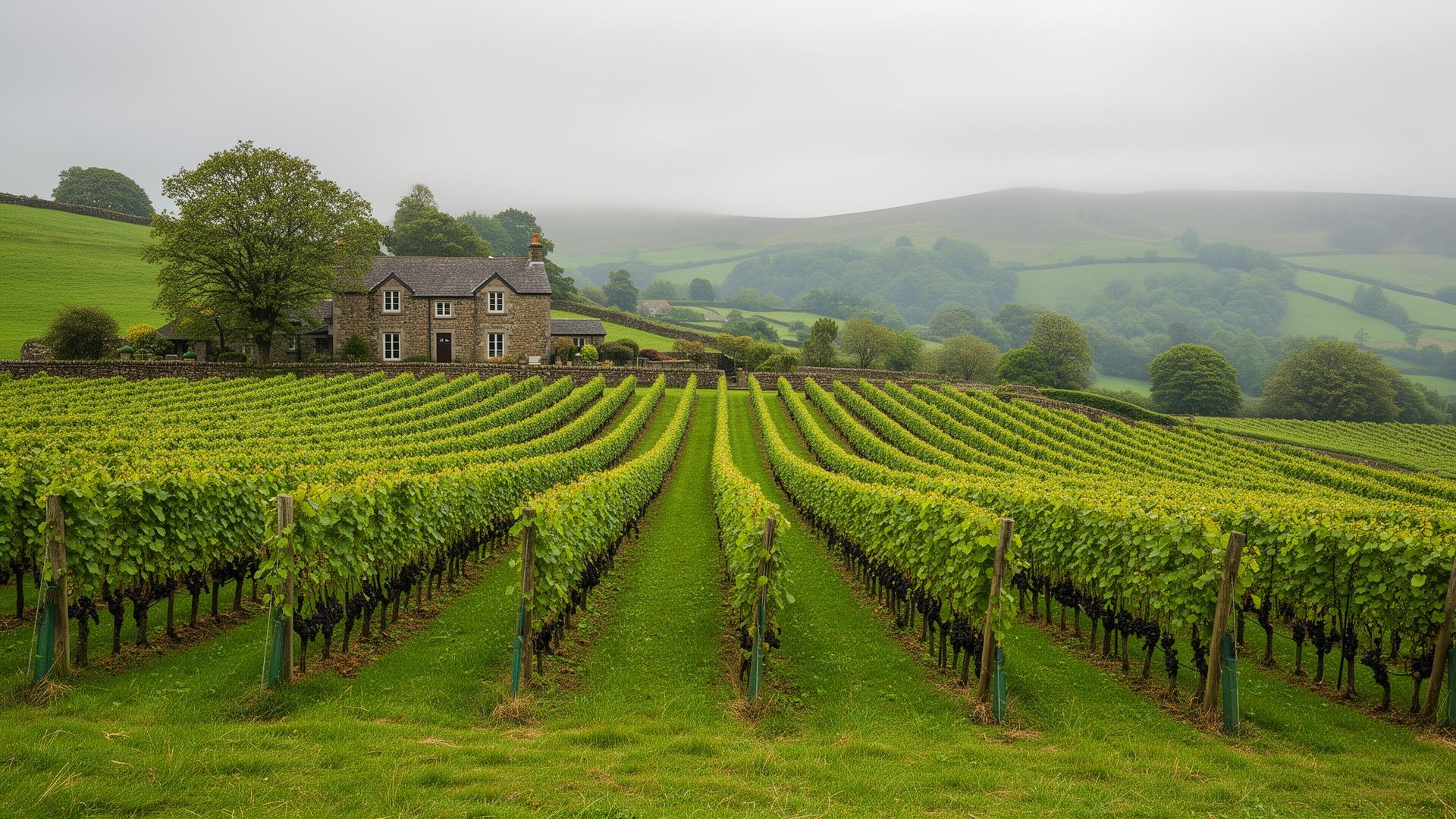
Welsh viticulture is tiny but increasingly worth attention. Ancre Hill Estates in Monmouthshire is biodynamic, producing Pinot Noir, Chardonnay and a traditional-method sparkling that has won international awards. White Castle Vineyard nearby works with cool-climate hybrids — Solaris, Phoenix, Pinot Noir Précoce, Rondo — that ripen reliably in the Welsh weather. Llaethliw Estate in Ceredigion is producing a serious Pinot Noir sparkling.
Scotland: A Wine-Drinking Country
To be honest: Scotland does not grow commercial wine. The climate is too cool, the growing season too short, and the few experimental plots that exist do not yet produce wine at any scale. Scotland is a wine-drinking country, and a serious one — the world's biggest market per capita for Bordeaux and a major Burgundy buyer. The right approach is to pair imports with the local food.
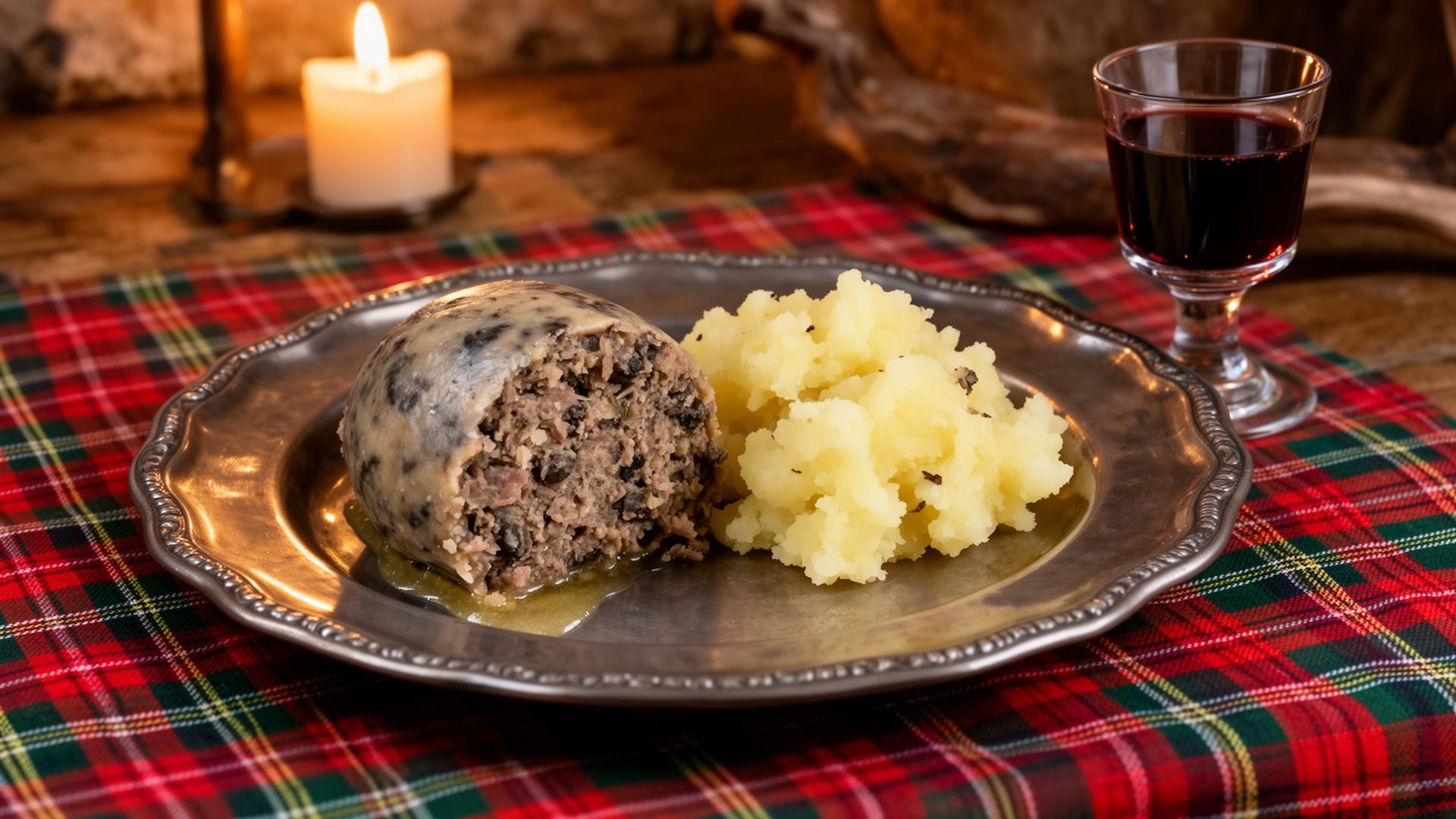
- Haggis, neeps & tatties → 10-year Tawny Port (classic) or Crozes-Hermitage Syrah.
- Cullen skink (smoked haddock chowder) → Sancerre or a Chablis Premier Cru.
- Cold smoked salmon → German Riesling Kabinett or a Blanc de Blancs Champagne.
- Roast grouse → A mature Burgundy (Volnay, Gevrey-Chambertin).
- Cranachan → A late-harvest Riesling or a 20-year Tawny.
- Aged cheddar → Vintage Port or a robust Rioja Gran Reserva.
Ireland: Emerging Vines, Classic Imports
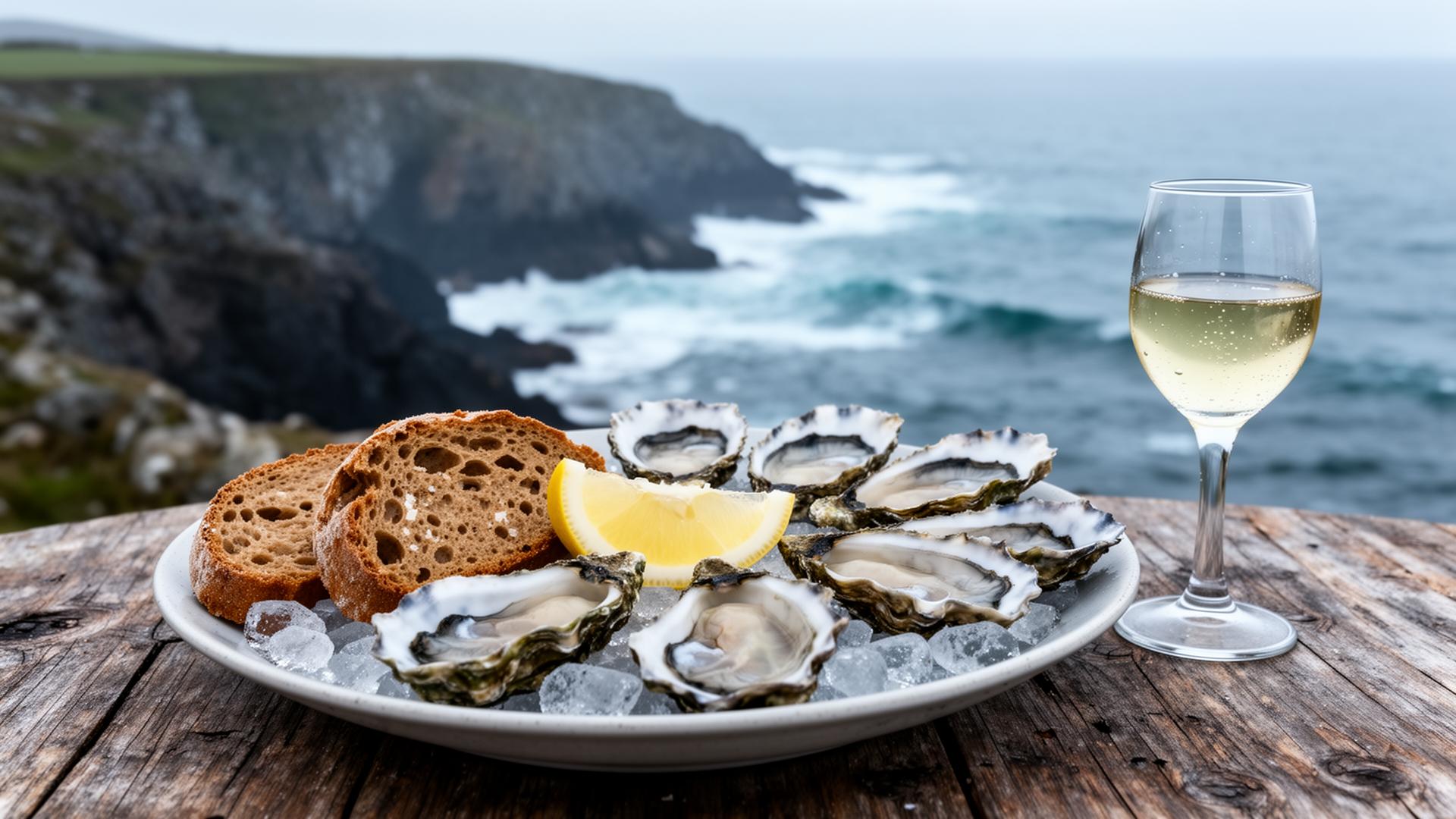
Irish viticulture is a curiosity — Lusca in County Dublin, Thomas Walk in County Cork, and a handful of polytunnel vineyards in milder counties. The wine is interesting; the volume is tiny. The honest story for Ireland is that the food culture is built for imports, and the imports are well chosen.
- Galway Bay oysters → Muscadet Sèvre-et-Maine sur Lie or a Chablis.
- Soda bread & smoked salmon → Chablis or a German Riesling Kabinett.
- Guinness-braised beef → Northern Rhône Syrah (Crozes-Hermitage, Saint-Joseph) or an Argentine Malbec.
- Irish stew → A medium-bodied red — Chianti Classico or a Cru Beaujolais (Morgon, Fleurie).
- Boxty with bacon → A dry Riesling or an English Bacchus.
- Irish coffee → Pedro Ximénez over ice cream is the better dessert pairing.
English Classics, Properly Paired
- Sunday roast (beef) → Claret (Bordeaux), Northern Rhône Syrah, or an English Pinot Noir.
- Sunday roast (lamb) → Rioja Reserva or a Bandol Rouge.
- Fish & chips → English sparkling, Muscadet, or Bacchus.
- Shepherd's pie → A medium Côtes du Rhône or a Spanish Garnacha.
- Welsh rarebit → A nutty Manzanilla or Amontillado Sherry.
- Steak & ale pie → Australian Shiraz or a Crozes-Hermitage.
- Ploughman's lunch → Dry English Bacchus or a Crémant de Loire.
- Sticky toffee pudding → Pedro Ximénez or a 20-year Tawny Port.
A British Isles Cellar Checklist
- 1 bottle of Nyetimber Classic Cuvée or Chapel Down Kit's Coty (English bubbles)
- 1 bottle of Bolney or Danbury Ridge Pinot Noir (English red)
- 1 bottle of English Bacchus (the everyday white)
- 1 bottle of Ancre Hill Welsh sparkling (the souvenir)
- 1 bottle of 10-year Tawny Port (for haggis and aged cheddar)
- 1 bottle of Muscadet Sèvre-et-Maine (oysters, soda bread)
- 1 bottle of Crozes-Hermitage (Guinness beef, steak pie)
The British Isles are no longer a wine-drinking outpost — they are a wine country in their own right, and a deep importing culture besides. Drink the English sparkling, hunt the Welsh hillsides, and pair the Scottish and Irish food the way the locals always have: with the world's best imports.