Brazilian Churrasco Wine Pairing Guide
Master the Art of Rodízio Wine Selection - From Picanha to Pão de Queijo
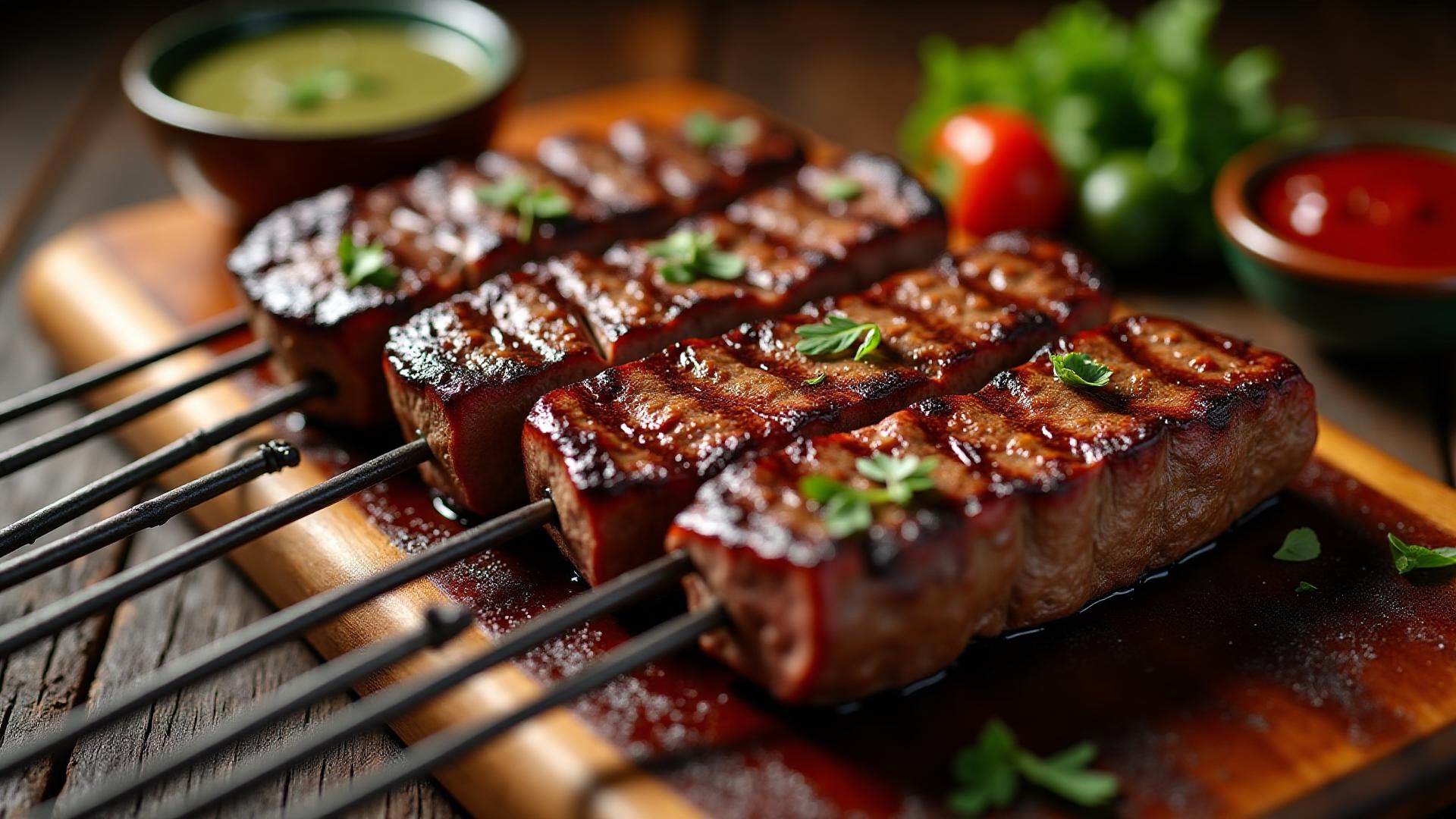
Churrasco is Brazil's greatest culinary gift—meat cooked to perfection over open flame, served rodízio-style until you surrender. But with dozens of cuts rotating through a meal, how do you choose wine? The secret lies in understanding Brazil's grilling tradition and matching South American wines to South American flavors.
Picanha (Top Sirloin Cap) → Argentine Malbec
The King of Churrasco: Picanha is the crown jewel of Brazilian BBQ—a triangular cut from the top of the sirloin with a thick fat cap that bastes the meat as it roasts on the skewer. Seasoned only with coarse salt, picanha's flavor is pure beef intensity with a buttery, mineral quality from the fat.
Why Malbec Works: Argentine Malbec from Mendoza is the ultimate South American beef wine. Its plush, velvety tannins match picanha's richness, while dark fruit (plum, blackberry) and subtle chocolate notes complement the charred exterior. The wine's medium-high acidity cuts through fat without overwhelming the meat's delicate mineral notes.
Regional Harmony: There's a reason Argentina and Brazil share beef-wine culture—the terroir and cuisine evolved together. Malbec's altitude-grown intensity (3,000-5,000 feet) matches high-heat grilling perfectly.
Try These: Catena Zapata Malbec, Achaval Ferrer, Bodega Norton Reserva (excellent value)
Fraldinha (Bottom Sirloin) → Chilean Carmenère
The Cut: Fraldinha is leaner than picanha with a more pronounced beefy flavor and slight herbaceous quality from the cut's proximity to the flank. It's often marinated or seasoned with garlic, making it more robust than simple salt-seasoned picanha.
Why Carmenère Works: Chilean Carmenère brings green pepper, herbs, and earthy spice notes that mirror fraldinha's savory character. The wine's firm tannins can handle the lean meat, while its dark fruit (blackberry, black cherry) provides richness without overpowering the beef's natural flavor.
The Chilean Connection: Carmenère is Chile's signature grape, and pairing it with Brazilian beef creates a pan-South American culinary experience. The wine's bold alcohol (14-15%) warms the palate alongside churrasco's fire-kissed char.
Recommended Bottles: Carmen Gran Reserva Carmenère, Montes Alpha, Concha y Toro Terrunyo
Linguiça (Brazilian Sausage) → Portuguese Vinho Verde
The Surprise Pairing: Linguiça is garlicky, slightly spicy pork sausage with smoky, fatty richness. Most people reach for red wine with sausage, but in this case, white wine is the superior choice.
Why Vinho Verde Works: Portugal's Vinho Verde is light, slightly effervescent, and razor-sharp with acidity—exactly what you need to cut through linguiça's fat and cleanse garlic from your palate. The wine's citrus and mineral notes refresh between bites, preventing flavor fatigue during rodízio's endless parade of meats.
Cultural Connection: Brazil's language and culinary traditions stem from Portugal, making this pairing culturally authentic. Vinho Verde's low alcohol (9-11%) also keeps you refreshed through hours of dining.
Try These: Quinta da Aveleda Vinho Verde, Casal Garcia, Gazela (budget-friendly)
Pão de Queijo (Cheese Bread) → Prosecco
The Pre-Game: Pão de queijo arrives before the meat parade—warm, pillowy cheese bread made with tapioca flour and Parmesan. It's Brazil's answer to bread service, but infinitely more delicious.
Why Prosecco Works: Bubbles and cheese are a match made in heaven. Prosecco's effervescence cuts through the bread's richness while its fruity character (apple, pear) complements the mild Parmesan. The wine's slight sweetness balances any saltiness in the cheese.
Strategic Sipping: Start your rodízio experience with Prosecco and pão de queijo to awaken your palate. The carbonation prepares your taste buds for the richness to come, while the wine's lightness won't fill you up before the main event.
Recommended: La Marca Prosecco, Zardetto Prosecco Brut, Mionetto (value pick)
Farofa & Chimichurri Considerations
Brazilian churrasco isn't just about meat—the accompaniments matter too. Farofa (toasted cassava flour) and chimichurri sauce add earthy, herbaceous flavors that affect wine pairing.
- Farofa: The toasted, nutty quality of farofa pairs beautifully with aged reds that have developed secondary flavors (leather, tobacco, earth). Look for wines with 5+ years of age.
- Chimichurri: Parsley, garlic, vinegar, and oregano create herbaceous acidity that pairs best with wines that have herbal undertones—Carmenère, Cabernet Franc, or Sauvignon Blanc.
The Caipirinha Question
Many rodízio restaurants serve caipirinhas (Brazil's national cocktail made with cachaça, lime, and sugar). Should you drink caipirinhas or wine with churrasco?
The Sommelier's Answer: Start with a caipirinha as an aperitif to honor Brazilian tradition, then switch to wine once the meat arrives. Cachaça's high alcohol and sugar content will numb your palate, making it harder to appreciate subtle flavors in premium beef cuts. Save caipirinhas for post-meal celebration.
Alternative: If you love bubbles and want a Brazilian twist, try sparkling wine from Brazil's Serra Gaúcha region—it's like Prosecco but supports Brazilian winemakers. Look for producers like Casa Valduga or Miolo.
Planning a Churrasco Feast?
Whether you're dining at a Brazilian steakhouse or hosting your own churrasco at home, our AI Wine Pairing Tool can recommend wines based on your exact menu, cooking method, and guest preferences.
Get personalized rodízio wine recommendations in seconds—free for 3 pairings daily
Wine Service Tips for Rodízio
- 1. Start Light, Go Bold: Begin with Prosecco or Vinho Verde, transition to Malbec or Carmenère as heavier meats arrive. Match wine intensity to meat richness throughout the meal.
- 2. Temperature Matters: Brazilian steakhouses are warm from all those grills. Serve red wines slightly cooler (60-65°F) so they don't taste flabby or alcoholic. Keep whites and sparklings well-chilled (45-50°F).
- 3. Pace Yourself: Rodízio can last 2-3 hours. Don't rush wine consumption—sip between bites, hydrate with water, and savor each pairing. The goal is enhancement, not intoxication.
- 4. Bring Multiple Bottles: If dining at home, have 2-3 wines available. One bold red (Malbec), one lighter red or white (Vinho Verde), and one sparkler (Prosecco) covers all bases.
Beyond the Classics: Advanced Pairings
For wine enthusiasts looking to elevate their churrasco experience, consider these premium options:
- Aged Bordeaux: If serving premium wagyu-style picanha, splurge on aged Bordeaux (10+ years). The wine's evolved tannins and tertiary flavors (truffle, forest floor) create an extraordinary pairing.
- Brazilian Tannat: Uruguay's Tannat grape is also grown in Brazil. These bold, tannic wines pair beautifully with fatty churrasco cuts and support South American winemakers.
- Champagne: Yes, really. Vintage Champagne's richness and complexity can match premium beef while its bubbles cleanse the palate. Perfect for special occasions.
The Bottom Line
Brazilian churrasco is one of the world's great meat-centric dining experiences, and the right wine elevates it from feast to unforgettable celebration. The key is matching South American wines to South American flavors—Malbec's plush tannins with picanha's richness, Carmenère's herbaceous notes with fraldinha's savory depth, and Vinho Verde's refreshing acidity with linguiça's fat.
Remember: rodízio is about abundance and joy. While these pairings enhance the experience, don't stress about perfection. Bring wines you love, share them generously, and toast to the gaucho tradition that gave us this incredible culinary gift.