Wine Pairing Guide: American BBQ Regions
From Texas Brisket to Carolina Pulled Pork - Master the Art of BBQ Wine Pairing
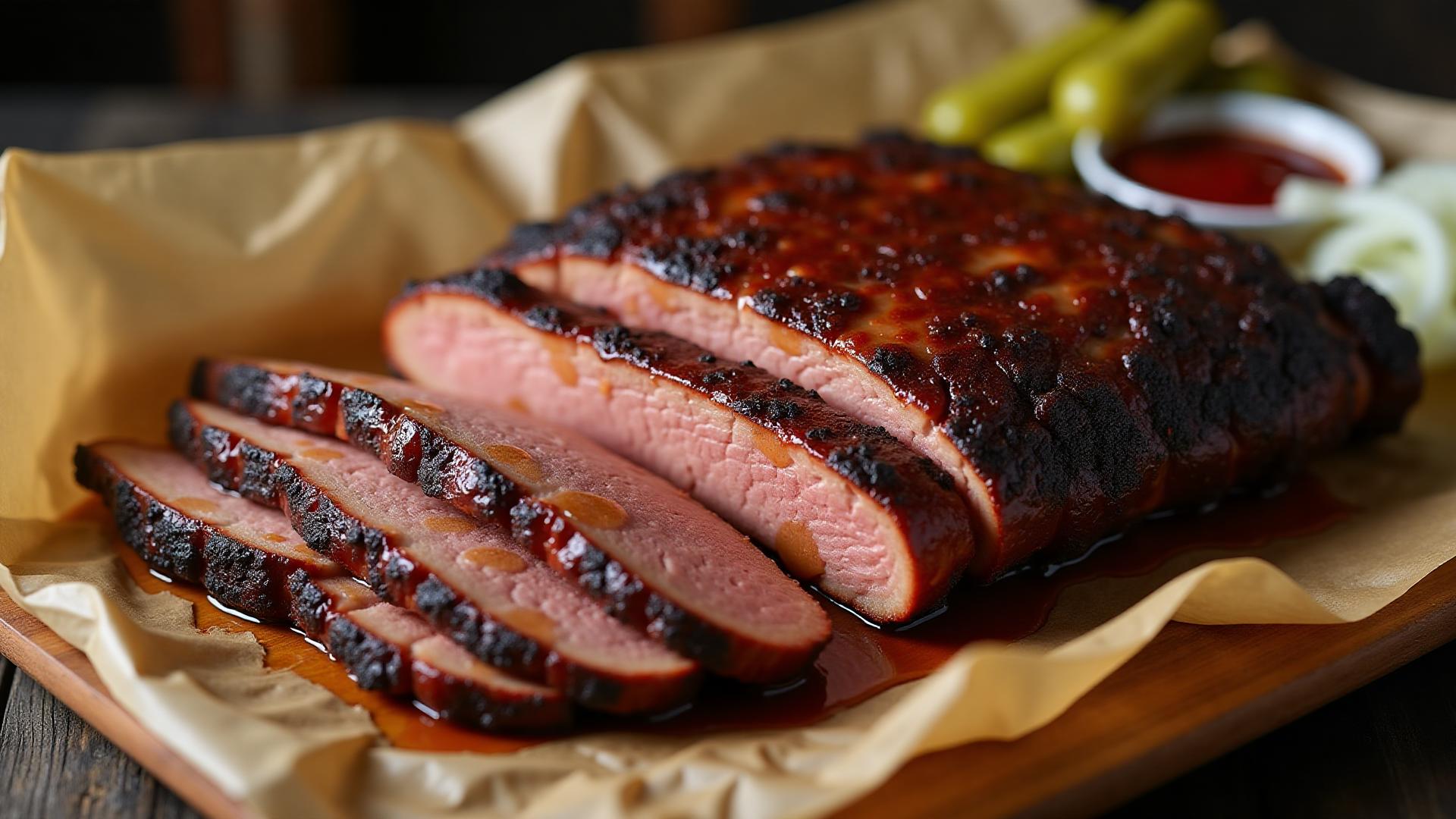
BBQ is America's gift to the culinary world—but which wines can handle the smoke, spice, and sauce? From the low-and-slow brisket of Texas to the vinegar-soaked pulled pork of Carolina, each regional style demands its own wine companion. Let's explore the perfect pairings for America's five greatest BBQ traditions.
Texas Brisket → Napa Cabernet Sauvignon
The Challenge: Texas brisket is the heavyweight champion of BBQ—16+ hours of oak smoke, a thick bark of black pepper and salt, and fat content that melts in your mouth. This isn't delicate food; it's bold, assertive, and demands a wine with equal muscle.
Why Cabernet Works: Napa Valley Cabernet Sauvignon brings exactly what brisket needs: powerful tannins to cut through the fat, concentrated dark fruit (blackberry, cassis) to match the meat's intensity, and enough structure to stand up to the smoke without getting overwhelmed. Look for Cabs with 15+ months oak aging—the wood-on-wood pairing creates incredible synergy.
Sommelier Tip: Serve at 65°F (18°C), not room temperature. Slightly cooler Cabernet keeps the tannins refreshing rather than astringent against fatty brisket.
Recommended Producers: Caymus Vineyards, Stag's Leap Wine Cellars, Silver Oak (Napa Valley)
Kansas City Burnt Ends → Oregon Pinot Noir
The Style: KC burnt ends are brisket point cubes glazed with thick, sweet tomato-based sauce and caramelized to candy-like perfection. The combination of smoke, char, and molasses-sweet sauce creates layers of flavor that lighter wines can't handle—but heavy wines overpower.
Why Pinot Noir Works: Oregon Pinot Noir threads the needle perfectly. Its bright cherry and raspberry fruit mirrors the sweetness of KC sauce, while earthy, smoky undertones (from whole-cluster fermentation) echo the BBQ smoke. The wine's silky texture embraces the caramelized crust without overwhelming the nuanced flavors.
The Science: Sweet BBQ sauce can make tannic reds taste bitter. Pinot Noir's softer tannins and higher acidity balance the sugar while the fruit-forward character complements rather than competes with the glaze.
Try These: Willamette Valley Pinot from Domaine Drouhin, Evening Land, or Elk Cove
Memphis Ribs → Australian Shiraz
The Memphis Style: Dry-rubbed ribs with a spice-forward bark—paprika, cayenne, garlic, and black pepper create a complex heat that demands a wine with both fruit and spice. Memphis ribs are about the rub, not the sauce (though tangy vinegar sauce may be served on the side).
Why Shiraz Works: Australian Shiraz (especially from Barossa Valley) brings white pepper, clove, and licorice spice notes that mirror the dry rub's complexity. The wine's full body and ripe blackberry fruit can handle the heat, while its bold alcohol (14-15%) warms the palate alongside the spice.
Pairing Principle: Match spice with spice. The peppery character in Shiraz doesn't fight cayenne heat—it amplifies the savory complexity while the fruit provides cooling contrast.
Top Picks: Penfolds Bin 28 (Barossa), Torbreck The Struie, Mollydooker The Boxer
Carolina Pulled Pork → Alsace Riesling
The Carolina Way: Pulled pork in the Carolinas is all about the sauce—Eastern NC uses thin, vinegar-based pepper sauce, while Western NC (Lexington style) adds a touch of ketchup for body. Either way, acidity is the star, cutting through rich pork shoulder with tangy brightness.
Why Riesling Works: This pairing is about matching acidity with acidity. Alsace Riesling's razor-sharp acidity mirrors the vinegar sauce, cleansing the palate between bites. The wine's subtle sweetness (even in "dry" styles) balances the sauce's pepper heat, while its mineral backbone prevents flavor fatigue.
The Revelation: Most people assume BBQ needs red wine. Carolina pulled pork proves that white wine can be the superior choice when acidity is the dominant flavor component. Riesling's citrus and stone fruit notes also bring unexpected brightness to smoky pork.
Look For: Trimbach Riesling (Alsace), Domaine Weinbach, or Finger Lakes Riesling from Hermann J. Wiemer (more accessible price point)
Alabama White Sauce Chicken → Chablis
The Alabama Secret: North Alabama's white BBQ sauce is unlike anything else in American BBQ—mayonnaise-based with vinegar, black pepper, and sometimes horseradish. It's tangy, creamy, and savory, traditionally served with smoked chicken. This unconventional sauce demands an unconventional pairing.
Why Chablis Works: Unoaked Chardonnay from Chablis brings chalky minerality and citrus acidity that cuts through the mayo's richness while complementing the vinegar tang. The wine's lean profile (no butter, no oak) matches the sauce's savory character without adding competing flavors.
Temperature Matters: Serve Chablis cold (45-50°F/7-10°C) to maximize its refreshing qualities against the creamy sauce. The contrast between cold wine and warm chicken creates a dynamic mouthfeel experience.
Recommended: Domaine William Fèvre Chablis, Louis Michel, or affordable alternative: Pouilly-Fuissé (similar unoaked Chardonnay profile)
Regional BBQ Sauce Flavor Profiles
- Texas: Thin, tomato-based, moderately sweet → Pair with tannic reds (Cabernet, Malbec)
- Kansas City: Thick, molasses-sweet, tomato base → Pair with fruit-forward reds (Pinot Noir, Zinfandel)
- Memphis: Dry rub focus, optional vinegar sauce → Pair with spicy reds (Shiraz, Syrah)
- Carolina: Vinegar-forward, thin, peppery → Pair with high-acid whites (Riesling, Sauvignon Blanc)
- Alabama: Mayonnaise-based, tangy, creamy → Pair with crisp, unoaked whites (Chablis, Pinot Grigio)
Pro Tips for BBQ Wine Pairing Success
- 1. Match Fat with Structure: Fatty meats (brisket, ribs) need tannins or acidity to cleanse the palate. Avoid soft, low-acid wines that will feel flabby against rich meat.
- 2. Sauce Dictates the Wine: Ignore the meat for a moment—what's the sauce flavor? Sweet sauces need fruit-forward wines, vinegar sauces need high acidity, spicy rubs need bold reds.
- 3. Smoke is a Flavor: Heavy smoke (Texas brisket) pairs best with oak-aged wines because the wood flavors harmonize. Light smoke (chicken) works with crisp, fresh wines.
- 4. Serve Cooler Than You Think: BBQ is hot, often eaten outdoors in summer. Slightly chilled red wines (60-65°F) are more refreshing than warm reds.
- 5. Don't Overthink It: BBQ is casual food. While these pairings elevate the experience, any wine you enjoy will work. The goal is enhancing flavor, not perfection.
Not Sure Which Wine to Choose?
Every BBQ recipe is unique—your rub blend, sauce recipe, and cooking method all affect the ideal wine pairing. Our AI Wine Pairing Tool can analyze your specific dish and recommend the perfect wine match.
Free users get 3 pairings daily | Premium members get unlimited iQ pairings
Beyond the Classics: Honorable Mentions
While the five regional styles above dominate American BBQ, several other traditions deserve recognition:
- South Carolina Mustard BBQ: Yellow mustard-based sauce pairs beautifully with German Riesling or Grüner Veltliner (the mustard-wine connection is natural)
- Santa Maria Tri-Tip (California): Simple salt, pepper, and garlic seasoning → Pair with local Central Coast Syrah or Paso Robles Zinfandel
- Korean-Style BBQ Fusion: Gochujang-glazed ribs → Try Oregon Pinot Noir or off-dry German Riesling to balance gochugaru heat
The Bottom Line
American BBQ's regional diversity is one of our greatest culinary treasures, and each style deserves thoughtful wine pairing. The key is understanding the dominant flavors—fat, smoke, spice, sweet, or tangy—and choosing wines with complementary or contrasting characteristics.
Whether you're serving Texas brisket to 50 guests or enjoying Carolina pulled pork on a Wednesday night, the right wine transforms BBQ from backyard meal to memorable experience. And remember: these are guidelines, not rules. Experiment, taste, and discover your own favorite pairings.
Want more personalized pairing advice? Try our iQ Sommelier—it's like having a wine expert in your pocket, ready to pair with any BBQ recipe.