Trending Winter Wines
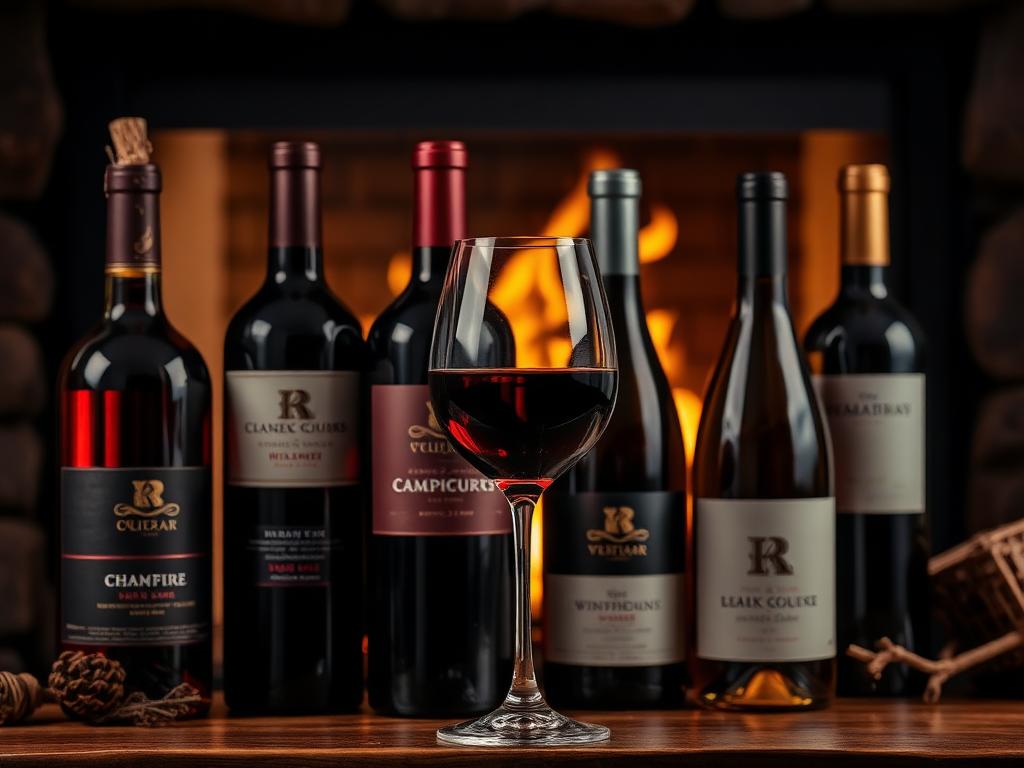
Bold reds with spiced notes, perfect for cozy evenings by the fire. From Barolo to Port, these wines bring warmth, structure, and complexity to cold-weather dining.
Barolo DOCG 2018
The 'King of Wines' from Piedmont. Full-bodied with firm tannins, rose petals, tar, and dried cherry. Perfect with braised meats.
Châteauneuf-du-Pape 2019
Rhône blend with Grenache, Syrah, and Mourvèdre. Spiced plum, leather, and warming alcohol. Ideal for winter stews.
Rioja Gran Reserva 2015
Aged Spanish Tempranillo with vanilla oak, tobacco, and dark fruit. Silky texture for hearty roasts.
Vintage Port 2017
Fortified Portuguese wine with intense dark fruit, chocolate, and warming spice. The ultimate fireside sipper.
Amarone della Valpolicella 2016
Dried grape wine from Veneto. Rich, raisiny, with bold alcohol and dark chocolate notes.
Côte-Rôtie 2018
Northern Rhône Syrah with violet, black pepper, and smoked meat. Elegant power for winter nights.
Brunello di Montalcino 2017
Tuscan Sangiovese with cherry, leather, and earthy undertones. Structured for aging, perfect with wild game.
Hermitage Rouge 2019
Full-throttle Syrah with blackberry, licorice, and smoke. Built for cold-weather feasts.
What Makes Winter Wines Special
Winter wines are crafted to complement cold-weather comfort food. Bold reds like Barolo and Amarone undergo extended aging in oak, developing warming alcohol levels (14-16% ABV) and complex spice notes from wood and oxidation. These structured wines feature firm tannins from thick grape skins, balancing rich, slow-cooked dishes. Fortified wines like Vintage Port add sweetness and intensity, perfect for fireside sipping. The concentrated flavors—dark fruit, leather, tar, chocolate—mirror the hearty, savory profiles of winter cuisine, creating harmonious pairings that warm both body and soul.
Food Pairing Suggestions
Winter wines shine with hearty, slow-cooked dishes. Barolo pairs magnificently with braised short ribs, truffle risotto, and wild boar. Châteauneuf-du-Pape complements lamb stew, cassoulet, and roasted game meats. Amarone's raisiny richness balances aged cheeses like Parmigiano-Reggiano and Gorgonzola. Vintage Port transforms blue cheese and dark chocolate desserts. Rioja Gran Reserva elevates Sunday roasts and mushroom-forward dishes. The key is matching tannin structure to protein richness—the bolder the dish, the bolder the wine. These pairings create warming, memorable winter dining experiences.
Buying & Serving Tips
These structured reds benefit from decanting 1-2 hours before serving to soften tannins and release aromatics. Serve between 60-65°F (16-18°C)—too warm and the alcohol becomes harsh, too cool and flavors mute. Look for wines with 5-10 years of aging for Barolo and Amarone; younger vintages may taste astringent. Budget $30-60 for quality regional examples; investment-grade bottles start at $100+. Store horizontally in a cool, dark space. Vintage Port can age 20-50 years; drink Gran Reserva Rioja within 10-15 years of release for optimal balance.