Premium Wines
First Growth Bordeaux, Grand Cru Burgundy, and Napa cult Cabernets. Investment-grade wines from the world's most prestigious estates.
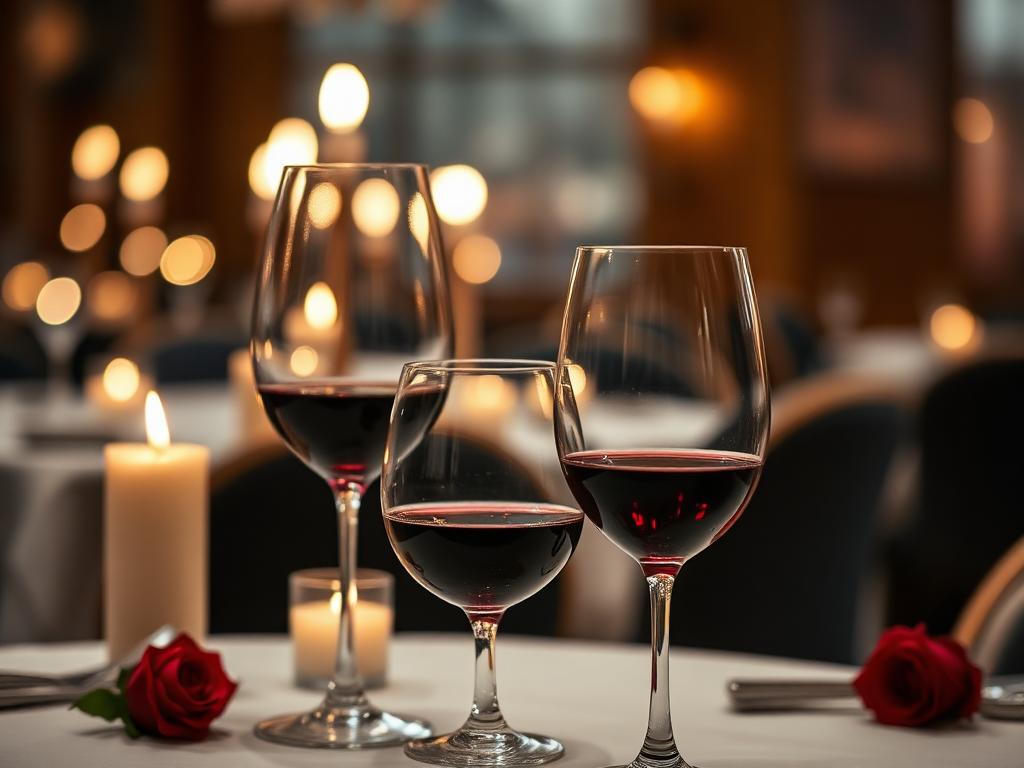
Château Margaux 2016
First Growth Bordeaux from Margaux. Cabernet Sauvignon-dominant blend with cassis, violets, and cedar. Investment-grade.
Domaine de la Romanée-Conti 2018
The holy grail of Burgundy. Monopole Grand Cru Pinot Noir with ethereal complexity and legendary provenance.
Screaming Eagle Cabernet 2019
Napa Valley cult Cab. Rare allocation, perfect scores, and secondary market demand. Modern American icon.
Penfolds Grange 2018
Australia's most celebrated wine. Shiraz-dominant blend with power, elegance, and decades of aging potential.
Château Latour 2015
Pauillac First Growth with cassis, graphite, and iron. Structured for 50+ years of cellar aging.
Domaine Leroy Musigny 2017
Grand Cru Burgundy from biodynamic pioneer Lalou Bize-Leroy. Transcendent Pinot Noir with limited production.
Harlan Estate 2018
Napa Valley Bordeaux blend. Cult status, impeccable quality, and near-impossible allocation.
Sassicaia 2019
Super Tuscan pioneer. Cabernet Sauvignon from Bolgheri with elegance, power, and international acclaim.
What Makes Premium Wines Special
Premium wines represent the pinnacle of winemaking—terroir expression, meticulous viticulture, and legendary provenance. Bordeaux First Growths (Margaux, Latour) achieve perfect balance through centuries-refined blending. Burgundy Grand Crus like DRC and Leroy showcase single-vineyard Pinot Noir with ethereal complexity. Napa cult Cabs (Screaming Eagle, Harlan Estate) command astronomical prices through limited production and perfect scores. These wines offer investment potential—appreciating 5-15% annually—alongside sensory transcendence. They're built for decades of aging, revealing layers of flavor over time. Owning and drinking these bottles is both cultural experience and financial asset.
Food Pairing Suggestions
Premium wines demand equally refined cuisine. Château Margaux pairs with roasted duck breast, truffle-enriched dishes, and aged beef. DRC elevates wild mushroom preparations, venison, and delicate fish like turbot. Screaming Eagle complements Wagyu steak, braised lamb shank, and rich game meats. Penfolds Grange handles bold barbecue, char-grilled ribeye, and strong cheeses. These pairings emphasize luxury ingredients and precise technique—the wines' complexity deserves dishes prepared with equal care. Serve at important celebrations, milestone dinners, and once-in-a-lifetime occasions where food and wine create unforgettable memories together.
Buying & Serving Tips
Purchase through reputable auction houses, fine wine merchants, or directly from estates' allocation lists. Verify provenance—inspect fill levels, labels, and storage history. Budget $200-500 for entry-level premium wines; blue-chip bottles cost $1,000-10,000+. Store in professional wine storage facilities (55°F, 70% humidity) to protect investment. Decant old vintages gently to avoid sediment. Serve at precise temperatures: 60-65°F for reds. Consider insurance for collections over $10,000. Drink within optimal aging windows—consult vintage charts. These wines reward patience; rushed consumption wastes their potential. Approach with reverence and proper glassware.