
Prince Edward County: Canada's Burgundy on Lake Ontario
On a limestone island two hours east of Toronto, a quiet revolution in Pinot Noir and Chardonnay is rewriting what Canadian wine can be.
Prince Edward County does not look like a wine region you have heard of. There are no château silhouettes, no sun-baked Mediterranean vistas, no Napa-style tasting bars carved into hillsides. What you get instead is a sleepy Ontario island of farm stands, weathered barns, and gravel roads — and underneath it all, a sheet of limestone bedrock that just happens to mirror the geology of Burgundy. The result is some of the most distinctive cool-climate wine in North America.
A Limestone Island in a Cold Lake
PEC sits at roughly 44° north latitude, the same parallel as Burgundy's Côte d'Or. But that is only half of the story. The other half is what lies beneath the topsoil: a thick layer of Trenton and Black River limestone laid down 450 million years ago when this region was a shallow tropical sea. That bedrock provides exceptional drainage, mineral complexity, and the structural backbone that great Pinot Noir and Chardonnay demand.
Lake Ontario plays the second crucial role. The lake moderates temperatures in both directions: it delays bud break in spring (avoiding frost damage) and extends the growing season into late October. Without that maritime influence, ripening Pinot Noir this far north would be impossible.
PEC by the Numbers
- Founded as VQA: 2007
- Wineries: 40+ active producers
- Signature grapes: Pinot Noir, Chardonnay, Riesling, Gamay
- Soil: Limestone bedrock with shallow loam topsoil
- Winter strategy: Most vines are buried (hilled) every winter
Pinot Noir: The County's Calling Card
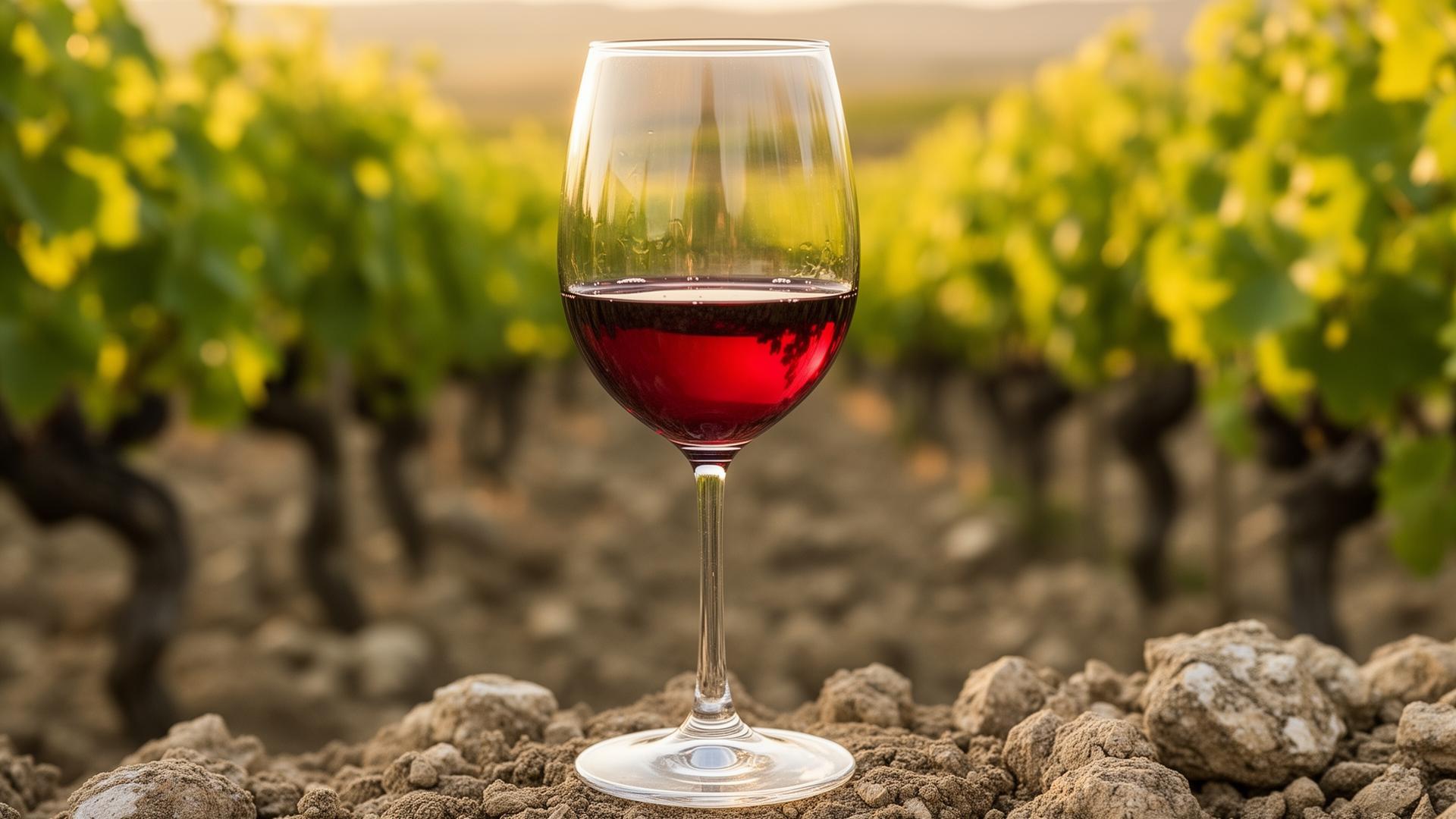
If you only try one PEC wine, make it Pinot Noir. The County style sits somewhere between Burgundy and Oregon: bright red fruit (cranberry, sour cherry, pomegranate), savory undergrowth, fine-grained tannins, and a chalky mineral finish that comes straight from the limestone. Alcohol levels stay sane — usually 12 to 13 percent — which means these wines actually taste like wine and not jam.
Producers to Know
- Norman Hardie — The benchmark. His unfiltered County Pinot Noir is one of the most age-worthy reds in Canada. Light-handed winemaking, low alcohol, long finish.
- Closson Chase — Beautifully precise Pinot Noirs from the South Clos and K.J. Watson vineyards. Burgundian in spirit, distinctly Ontarian in fruit profile.
- Rosehall Run — The "JCR" Pinot Noir is consistently one of the region's most rewarding bottles for the price.
- Stanners Vineyard — Cult-favorite small producer. Single-vineyard Pinots that disappear from the cellar door fast.
- Trail Estate — Natural-wine-leaning Pinots and Chardonnays with bold personality.
Chardonnay: Lean, Mineral, Thrilling
PEC Chardonnay is everything California Chardonnay critics wish more of the world made: lean-bodied, high in acid, restrained on oak, and built around chalky limestone minerality rather than tropical fruit. Think more Chablis than Sonoma.
Norman Hardie's County Chardonnay set the template — a wine of tension and length rather than weight. Closson Chase's South Clos Chardonnay is its more polished cousin, and Hinterland's still Chardonnays have quietly become some of the region's best-kept secrets.
Sparkling Wine: PEC's Hidden Strength
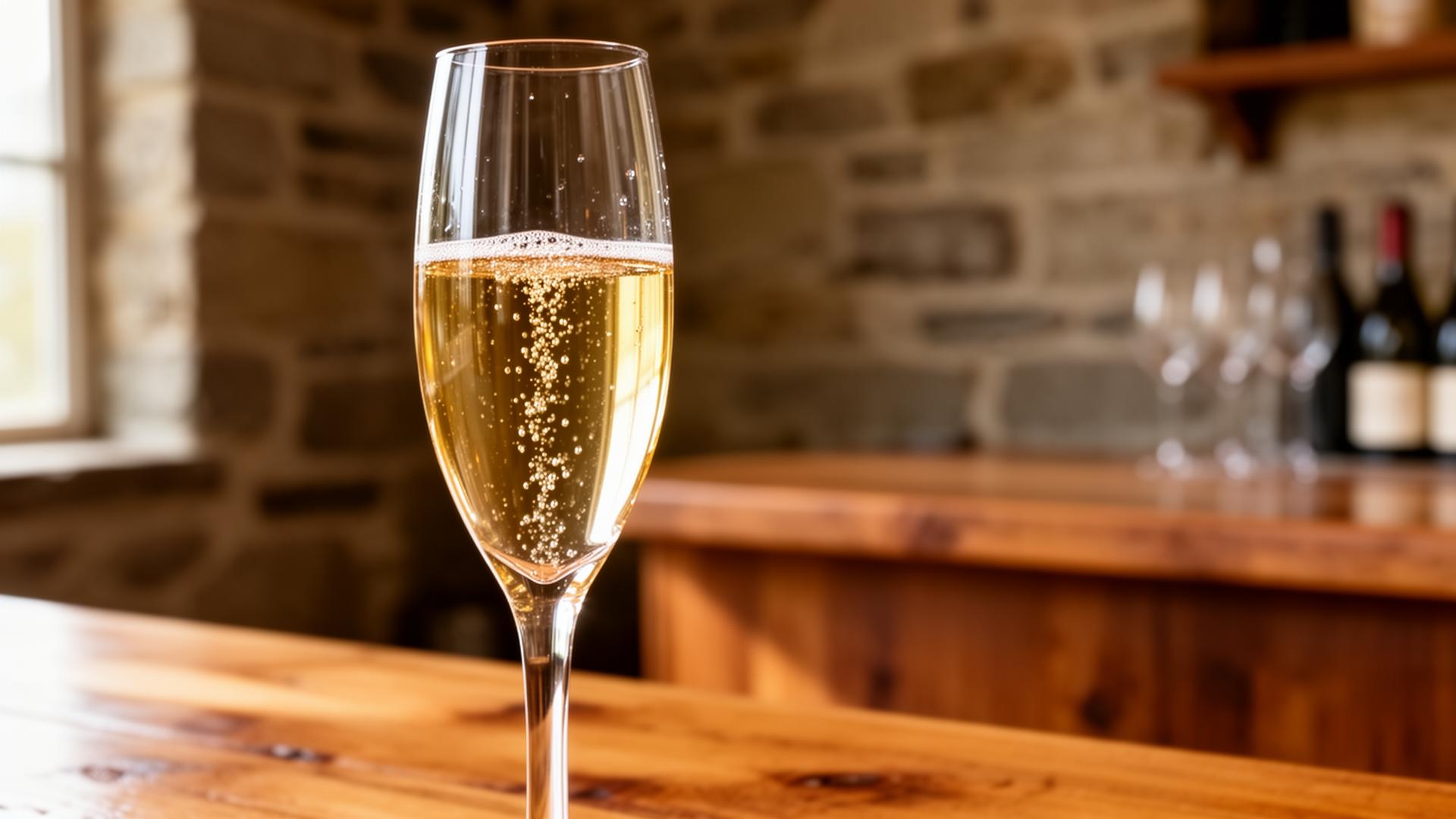
Cool climate plus limestone equals great sparkling wine. Hinterland Wine Company built its entire identity around traditional-method bubbly and now produces some of Canada's most acclaimed sparkling wines — from the crisp "Borealis" to single-vineyard cuvées that age beautifully on the lees. Closson Chase, Karlo Estates, and several smaller producers also make traditional-method sparklers worth seeking out.
Beyond Pinot and Chardonnay
- Riesling — Bright, citrus-driven, dry to off-dry. Excellent food wine for spring fare.
- Gamay — Light, crunchy reds in the Beaujolais mold. Perfect for warmer weather.
- Pinot Gris — Textured, often skin-contact or "orange" styles from natural-leaning producers.
- Cabernet Franc — In warmer vintages, leafy, peppery, surprisingly elegant.
Planning a Visit
The County's tasting rooms operate seasonally — most open in May and run through October, with peak activity in July and August. Spring (late April through June) is the local insider's favorite time: vines are budding, the lake is warming, and the tasting rooms are quiet enough to actually talk to the winemaker.
Base yourself in Picton or Wellington — both walkable villages with strong restaurant scenes. The Drake Devonshire in Wellington pairs Lake Ontario views with serious wine programs. Most wineries are clustered along the Loyalist Parkway or in the Hillier appellation, the County's most concentrated wine zone.
What to Eat with PEC Wines
- PEC Pinot Noir + spring lamb — A classic. The wine's bright acidity cuts the fat; the savory undertones echo the meat's herbal crust.
- PEC Chardonnay + grilled lake trout — Limestone wine, freshwater fish. The terroir tells the whole story.
- PEC Sparkling + oysters or fried chicken — Bubbles and salt, always.
- PEC Gamay + charcuterie — Slightly chilled, all afternoon long.
- PEC Riesling + Thai green curry — Off-dry Riesling tames the heat without losing its edge.
Why PEC Matters Right Now
Climate change is reshaping the wine world, and cool-climate regions like Prince Edward County are the unexpected winners. Vintages that would have been marginal twenty years ago are now ripening reliably. The wines are getting more confident without losing their characteristic freshness. And as Burgundy prices climb out of reach, PEC offers a credible alternative for serious Pinot Noir drinkers — at half the cost.
This is one of those wine regions still in its second act. The first generation of producers proved it could be done. The current generation is figuring out how good it can get. If you have not put a PEC bottle on your table yet, this spring is the moment.
Five PEC Bottles to Try First
- Norman Hardie County Unfiltered Pinot Noir — The reference point.
- Closson Chase South Clos Chardonnay — Limestone in liquid form.
- Hinterland Borealis — Traditional-method sparkling worth its price.
- Rosehall Run JCR Pinot Noir — The everyday-luxury bottle.
- Stanners Vineyard Pinot Noir — If you can find one, buy two.
Prince Edward County has stopped being a curiosity and started being a destination. Limestone, lake, latitude, and a generation of patient growers — that is the recipe. Pour a glass and taste what cool-climate Canada actually has to say.