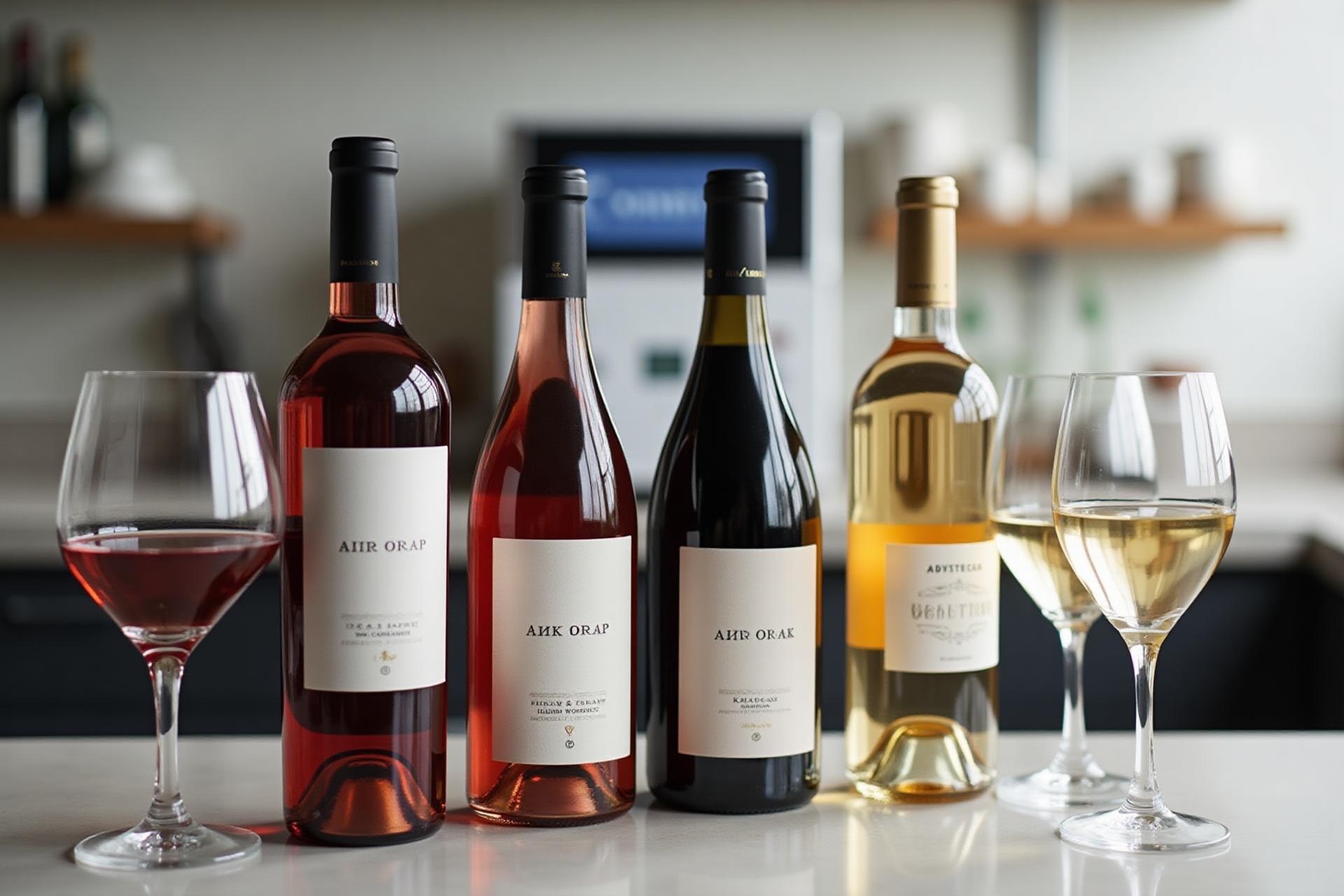
Beyond the Glass: The Rise of 0% Winemaking
De-alcoholized wines are having a moment. We examine modern techniques, texture trade-offs, and when 0% shines at the table.
The Non-Alcoholic Wine Revolution
For decades, "non-alcoholic wine" meant syrupy grape juice with pretensions. No longer. Thanks to advanced de-alcoholization technology, today's 0% wines retain varietal character, aromatic complexity, and food-pairing versatility—without the hangover.
The global non-alcoholic wine market is projected to reach $2.1 billion by 2026, driven by wellness trends, mindful drinking movements, and—crucially—better-tasting products. But how do winemakers remove alcohol without sacrificing soul?
The Science of De-Alcoholization
1. Vacuum Distillation (Spinning Cone Column)
This technique separates alcohol from wine under low pressure, preserving delicate aromatics. The wine is heated to just 30°C (86°F) in a vacuum, causing alcohol to evaporate while flavor compounds remain intact. The result? A wine that tastes surprisingly close to the original.
Pros: Retains complexity, works well with reds and whites
Cons: Expensive equipment, slight texture loss
2. Reverse Osmosis
Wine is pushed through a membrane that filters out alcohol molecules while retaining water, acids, and flavor compounds. The dealcoholized wine is then blended back to desired alcohol levels (or fully removed).
Pros: Minimal heat, preserves freshness
Cons: Can strip mouthfeel, requires precise blending
3. Cold Filtration
Wine is chilled to near-freezing, then filtered to remove alcohol crystals. Less common but effective for lighter styles.
"The best non-alcoholic wines start with great grapes. You can't de-alcoholize mediocrity and expect brilliance—terroir still matters."
— Leading NA winemaker
Taste Trade-Offs: What Changes Without Alcohol?
Alcohol contributes body, warmth, and mouthfeel. Remove it, and you lose:
- Texture: Wines feel thinner, less viscous
- Finish: The warming sensation on the palate disappears
- Balance: Acidity and tannins become more pronounced
To compensate, producers add:
- Glycerin: Natural sweetener that adds body
- Oak tannins: Mimic structure lost in dealcoholization
- CO₂: Sparkling NA wines often overperform still versions
When 0% Wines Shine: Food Pairing Guide
Sparkling Blanc 0% + Sushi or Oysters
Crisp acidity and delicate bubbles cleanse the palate without overwhelming delicate seafood. The lack of alcohol prevents flavor fatigue across multiple courses.
Chardonnay 0% + Creamy Pasta or Grilled Chicken
Look for lightly oaked versions with enough body to stand up to butter sauces. The lower ABV means you can enjoy multiple glasses without drowsiness.
Cabernet Sauvignon 0% + Plant-Based Burgers or Mushroom Steaks
Dark fruit and oak notes complement umami-rich foods. The tannins (preserved in quality NA reds) provide structure without astringency.
Rosé Spritz 0% + Charcuterie or Light Salads
Bright, refreshing, and endlessly crushable—perfect for daytime entertaining or post-workout meals.
Moscato 0% + Spicy Thai or Indian Cuisine
The wine's natural sweetness tames heat, while its low alcohol content (even before dealcoholization) means it retains character better than drier styles.
Top Brands Leading the 0% Movement
- Leitz Eins Zwei Zero: German Riesling that tastes shockingly authentic
- Giesen 0%: New Zealand Sauvignon Blanc with bright grapefruit notes
- Surely: California sparkling rosé and whites with modern branding
- Noughty: UK-based producer with organic, vegan options
- Fre: Affordable, widely available in US markets
The Wellness Factor: Why People Choose 0%
Beyond designated drivers and pregnancy, non-alcoholic wine appeals to:
- Health-conscious consumers: Zero calories from alcohol, no inflammation
- Athletes: Enjoy social rituals without recovery impact
- Mindful drinkers: "Damp" lifestyle followers who want flexibility
- Medical considerations: Those on medications that interact with alcohol
Challenges Ahead: The Road to Respectability
Despite progress, NA wine faces hurdles:
- Perception: Many sommeliers still dismiss it as inferior
- Price: De-alcoholization adds cost, yet consumers balk at paying "real wine" prices
- Regulation: Labeling rules vary globally—some markets require "wine-like beverage" instead of "wine"
But momentum is building. Michelin-starred restaurants now offer NA pairing menus. Airlines stock premium 0% options. And younger generations—less attached to traditional drinking culture—embrace these wines without stigma.
The Verdict: Is 0% Wine Worth It?
If you're expecting a perfect replica of alcoholic wine, you'll be disappointed. But approach NA wines on their own terms—as sophisticated, food-friendly beverages designed for mindful consumption—and they deliver.
The best non-alcoholic wines aren't trying to "fool" you. They're offering a different experience: the ritual of wine without the intoxication. For many, that's not a compromise—it's an upgrade.
"The future of wine isn't about choosing alcohol or abstinence. It's about having options for every occasion—and finally, non-alcoholic wines are worthy of a place at the table."