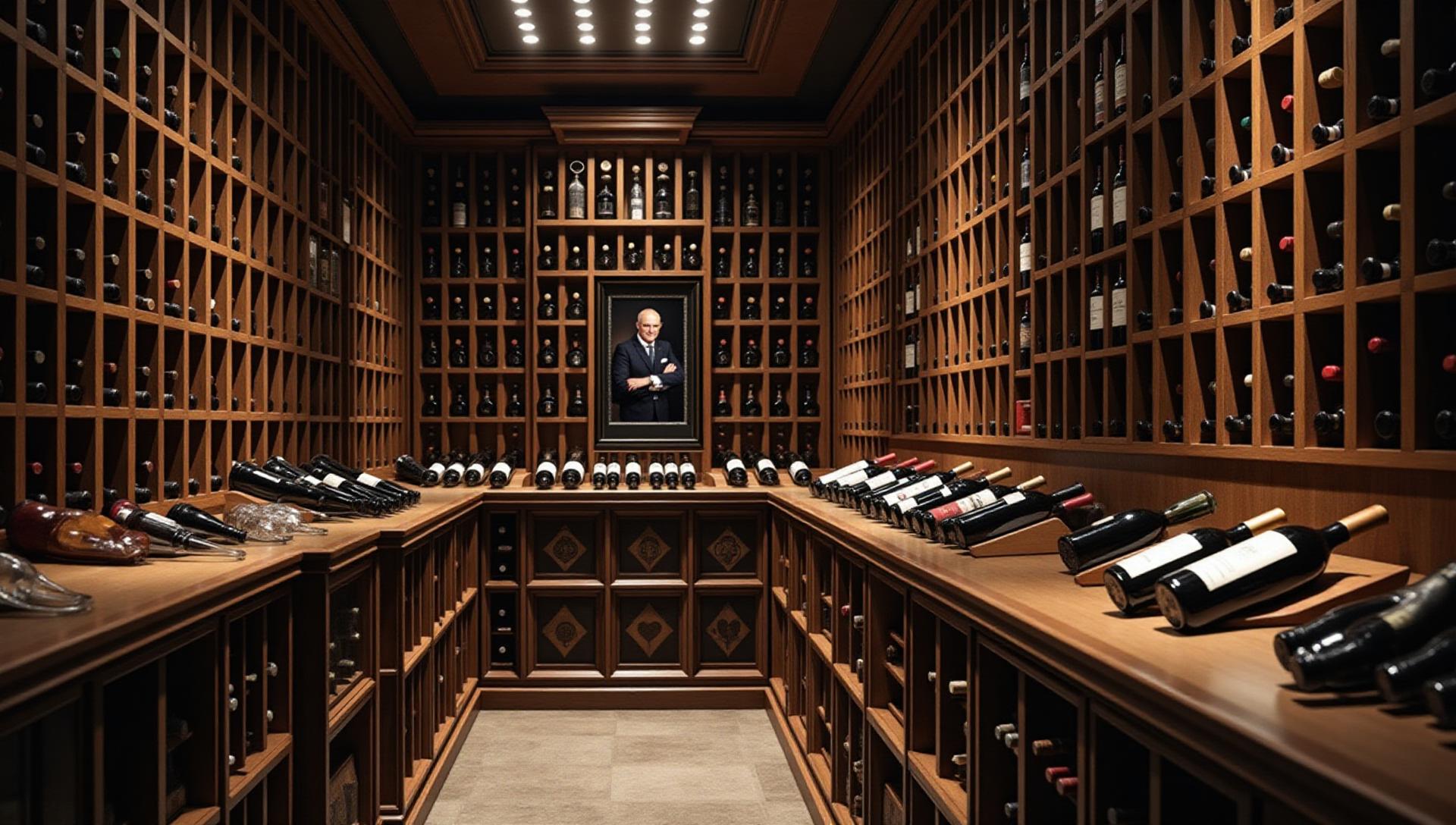
The Digital Wine Cellar Revolution: From Storage to Smart Asset Management
For generations, the wine cellar was a static sanctuary—rows of bottles aging in darkness, tracked by handwritten notes or, at best, a spreadsheet. As we enter 2026, that's changing. Technology is transforming how collectors store, track, and value their wine, turning the humble cellar into a data-rich command center.
Whether you're managing a modest collection of 50 bottles or a serious investment-grade cellar, digital tools are making it easier than ever to know exactly what you have, when to drink it, and what it's worth.
The End of the Spreadsheet Era
Let's be honest: tracking wine in Excel was always a bit painful. Bottles get moved, vintages get confused, and that 2015 Barolo you've been saving? Buried somewhere between "Row 3" and "forgot to update."
Modern cellar management apps solve this elegantly. Platforms like CellarTracker, Vivino, and InVintory let you scan a label with your phone and instantly log the wine, complete with tasting notes from the community, critic scores, and drinking windows.
What Digital Cellar Tools Offer
- •Label scanning: Add bottles in seconds using your phone camera
- •Drinking window alerts: Get notified when wines reach their peak
- •Location mapping: Know exactly which rack, row, and slot each bottle occupies
- •Value tracking: Monitor current market prices for your collection
- •Tasting notes: Record your own impressions and compare with community
Smart Storage: Beyond Temperature Control
Temperature and humidity monitoring used to require expensive professional systems. Today, affordable IoT sensors can connect to your home network and alert your phone if conditions drift outside ideal ranges. Some integrate directly with cellar management apps, logging environmental data alongside your inventory.
For serious collectors, this data becomes invaluable—both for wine quality and insurance documentation. Knowing that your 2010 Pétrus was stored at a consistent 55°F with 70% humidity for a decade adds real provenance value.
Provenance in the Digital Age
As investment-grade wine continues to attract serious capital, authenticity verification becomes critical. Blockchain-based provenance tracking is gaining traction, though it's still early days.
Several major producers—including some in Bordeaux and Napa—are experimenting with "digital twins" that track a bottle from estate to buyer. The promise: immutable ownership records that could eventually streamline secondary market transactions and reduce fraud concerns.
Note: This technology is still evolving. While promising, widespread adoption remains a few years away for most collectors.
Your Personal iQ Sommelier
Perhaps the most exciting development is iQ-powered pairing and recommendation. Instead of generic "red wine with steak" advice, modern systems can learn your specific preferences and suggest wines from your own cellar.
Planning a dinner party? Upload your menu, and your iQ sommelier can cross-reference your inventory, the dishes, and your guests' known preferences to suggest the perfect selections—all from bottles you already own.
Try WINEVERSEiQ's Smart Pairing
Our iQ-powered pairing tool helps you find the perfect wine for any meal. Snap a photo of your dish or describe what you're cooking, and get personalized recommendations in seconds.
Valuation and Insurance
For collectors with significant holdings, knowing your collection's current value isn't just curiosity—it's essential for insurance and estate planning. Digital tools now integrate with auction databases and retail price feeds to provide real-time portfolio valuations.
Some platforms can generate detailed reports suitable for insurance appraisals, complete with provenance documentation and storage condition logs. What once required a professional appraiser can now be updated automatically.
Getting Started with Your Digital Cellar
Ready to bring your collection into the digital age? Here's a practical roadmap:
Step-by-Step Setup
- Choose your platform: Start with a free app like CellarTracker or WINEVERSEiQ to test the workflow before committing to premium features.
- Inventory gradually: Don't try to log everything in one weekend. Add bottles as you move them or open them—the collection will build organically.
- Set up drinking alerts: Configure notifications for wines approaching their peak windows so nothing gets forgotten.
- Add environmental monitoring: Even a basic temperature logger adds valuable data for long-term storage.
- Document purchases: Photograph receipts and log purchase dates and prices for valuation tracking.
What to Expect in 2026
- •AI integration matures: Expect more sophisticated recommendation engines that learn your palate over time.
- •Blockchain adoption grows: More producers will offer digital provenance, especially for premium releases.
- •Smart storage gets cheaper: IoT sensors continue to drop in price, making environmental monitoring accessible to all collectors.
- •Secondary market innovation: Digital platforms may streamline private sales and fractional ownership.
Final Thoughts
The romance of the wine cellar isn't going anywhere. The dusty bottles, the anticipation of opening something special, the stories behind each label—these remain at the heart of collecting.
What's changing is everything around it. Digital tools don't replace the joy of wine; they protect your investment, help you drink better, and ensure that nothing gets lost or forgotten. The cellar is evolving from a passive vault into an active, intelligent system.
As we toast to 2026, consider this: the best wine is still the one in your glass. Technology just makes sure the right bottle gets there at the right moment.
Happy New Year, and drink well.
Start Your Digital Cellar Journey
Track your collection, get personalized pairing recommendations, and never miss a wine's peak drinking window. All free to start.